




Apple Fritter is a balanced hybrid known for its high THC potential, sweet dessert-like flavor, and Sour Apple x Animal Cookies genetics. For growers, it combines a manageable structure with good branching, dense flower production, and an 8–10 week flowering period. In this Apple Fritter strain review, I cover its genetics, THC, terpenes, flavor, effects, yield, and what you can expect when growing it indoors or outdoors. You will also learn how to train Apple Fritter, manage its feeding and humidity requirements, and identify the main challenges that can appear as flowering progresses.
Key Takeaways
- Apple Fritter is a balanced hybrid created from Sour Apple and Animal Cookies genetics.
- THC can reach up to 28% in MSNL's feminized version, placing it firmly in the high-THC category.
- The flavor is sweet and dessert-like, with apple, caramel, fruit, pastry, and light earthy or spicy notes.
- Plants typically reach 100–180 cm and respond well to low-stress training thanks to their branching structure.
- Flowering takes around 8–10 weeks, with potential indoor yields of approximately 400–500 g/m² under good growing conditions.
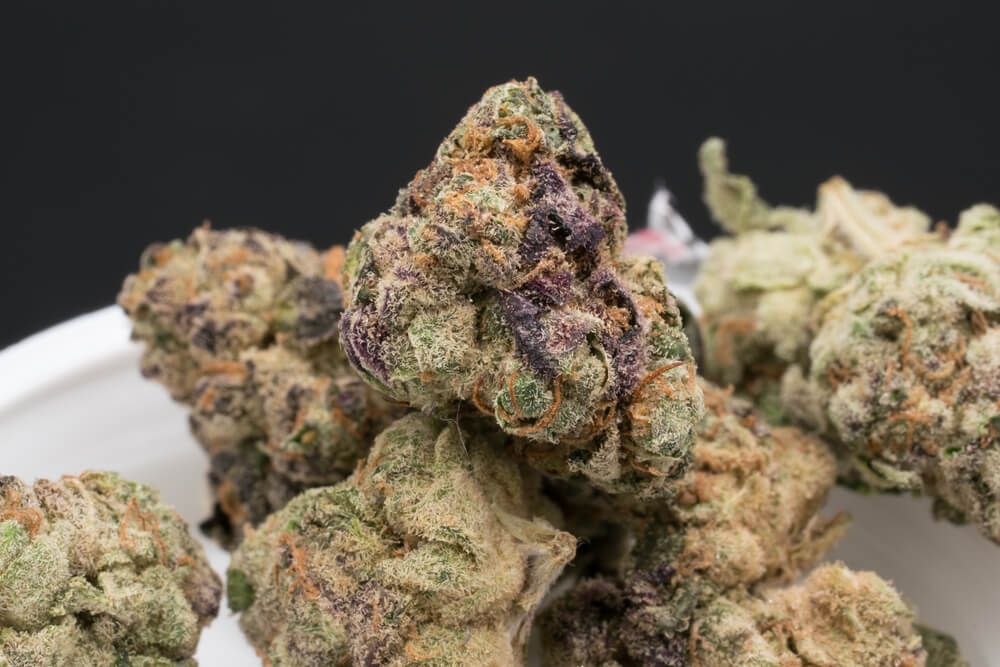
Apple Fritters Strain Overview
Apple Fritter is a balanced hybrid bred from Sour Apple and Animal Cookies. It is now available in several breeder versions, each with its own slight differences in growth and expression.
The strain is known for its high THC potential and sweet, dessert-like profile, with fruity, caramel, and pastry notes often coming through in the aroma and flavor.
For growers, Apple Fritter is a medium-sized, branching plant that can produce dense flowers. It is generally considered a moderate-difficulty strain, mainly because you need to keep an eye on airflow, humidity, feeding, and branch support during flowering.
Strain at a Glance
| Characteristic | Apple Fritters |
| Genetics | Sour Apple x Animal Cookies |
| Strain type | 50% Indica / 50% Sativa |
| THC | Up to 28% |
| CBD | Less than 1% |
| Main terpenes | Phellandrene, Limonene, Pinene, Myrcene, Ocimene |
| Flavor | Sweet, fruity, caramel, pastry-like |
| Common effects | Uplifting, relaxing |
| Flowering time | 8–10 weeks |
| Height | 100–180 cm |
| Yield | 400–500 g/m² |
| Outdoor harvest | Mid October |
| Growing difficulty | Medium |
Apple Fritter Genetics and Origins
What Are the Parents of Apple Fritter?
Apple Fritter comes from a cross of Sour Apple and Animal Cookies.
Sour Apple contributes the fruitier side of the lineage, while Animal Cookies brings in the sweet, dessert-style traits associated with Cookies-family genetics.
As with any strain grown from seed, individual plants can show some variation. One phenotype may grow taller or branch more heavily, while another may develop a slightly different aroma, flower structure, or finishing time.
That variation is normal and is one reason Apple Fritter plants will not always look or perform exactly the same.
Where Did Apple Fritter Come From?
Apple Fritter became widely known through growers, dispensaries, and seed producers, which helped establish it as a popular modern hybrid.
Today, several versions of Apple Fritter are available, and they may not all express the strain in exactly the same way. Growth characteristics, flowering time, aroma, potency, and plant structure can differ between seed lines.
For that reason, it is best to follow the specifications for the particular Apple Fritter genetics you are growing rather than assuming every version will behave identically.
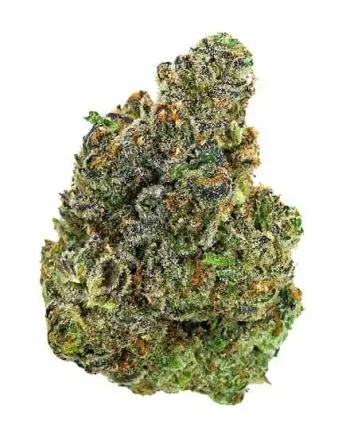
| THC % | Up to 28% |
|---|---|
| Flowering Time | 8-10 Weeks |
| Outdoor harvest | Mid October |
| Yield | 400-500gr/m² |
| Indica/Sativa | 50/50 |
| Height | Medium: 100cm-180cm |
| Difficulty | Medium |
| CBD Content | <1% |
| Climate | Sub Tropical, Tropical, Warm |
| Seed Type | Feminized |
| Genetics | Sour Apple x Animal Cookies |
| Effects | Relaxing, Uplifting |
| Taste | Sweet, Caramel, Fruity |
| Terpene | Phellandrene, Limonene, Pinene, Myrcene, Ocimene |
Apple Fritter THC, Terpenes, Flavor and Effects
How Strong Is Apple Fritter?
Apple Fritter is a high-THC strain, with our apple fritter feminized version reaching up to 28% THC and typically containing less than 1% CBD.
Actual potency can vary from one plant to another. Genetics provide the potential, but factors such as light intensity, nutrition, plant health, harvest timing, and phenotype all influence the final cannabinoid content.
For this reason, the 28% figure should be viewed as the upper end of the strain's potential rather than a guaranteed result from every harvest.
What Does Apple Fritter Smell and Taste Like?
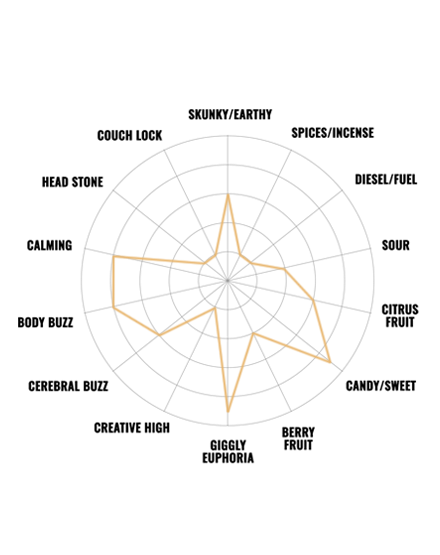
Apple Fritter has a sweet, dessert-style profile that fits its name. The aroma and flavor often combine:
- Sweet fruit
- Apple-like notes
- Caramel
- Baked pastry
- Earthy undertones
- Light herbal or spicy notes
Our version lists Phellandrene, Limonene, Pinene, Myrcene, and Ocimene among its main terpenes. The exact balance can shift between plants, which is why some phenotypes may smell sweeter and fruitier while others show more earthy, herbal, or spicy notes.
What Are the Effects of Apple Fritter?
Apple Fritter is commonly described as producing a mix of uplifting and relaxing effects. Users also report feelings of happiness, euphoria, giggliness, and physical calm.
Its balanced genetics can give it a broad appeal, but the experience will still depend on dose, THC tolerance, and individual response.
With THC potentially reaching the upper 20% range, Apple Fritter can be quite potent. If you have a lower tolerance, it makes sense to start with a smaller amount rather than treating it like a mild hybrid.
How to Grow Apple Fritters Strain
Apple Fritter is a medium-difficulty strain that suits growers who already understand basic feeding, training, and environmental control. Its branching structure and dense flowers are manageable, but they reward a more hands-on approach than a completely beginner-friendly cultivar.
Step 1: Set Up the Right Environment
Apple Fritter performs best in warm, stable conditions. Indoor growers have more control over temperature and humidity, while outdoor plants are better suited to climates with warm summers and a reasonably dry finish to the season.
Good air movement is especially important once flowers begin to thicken, so plan your grow space with enough room between plants and branches.
Step 2: Build a Healthy Plant During Veg
Apple Fritter can reach around 100–180 cm, depending on the phenotype and growing conditions.
During vegetative growth, focus on establishing a healthy root system and strong branching before pushing the plant too hard. Avoid letting the center of the canopy become overly crowded, as this can make flowering more difficult to manage later.
Step 3: Train the Plant Early
Apple Fritter responds well to low-stress training (LST). Begin while the branches are still flexible, gently bending taller shoots outward to create a wider, more even canopy.
LST can help you:
- Keep height under control
- Improve light penetration
- Open up the canopy
- Create more evenly positioned bud sites
Make adjustments gradually to avoid unnecessary stress.
Step 4: Adjust Feeding as Growth Increases
Apple Fritter can become more nutrient-hungry during mid-to-late vegetative growth and flowering.
Instead of increasing nutrients automatically, watch the plant closely. Leaf color, growth rate, posture, and leaf tips can all tell you whether feeding needs to change.
If you do make an adjustment, increase or reduce nutrients gradually and give the plant time to respond.
Step 5: Manage the Flowering Stretch
Apple Fritter can gain additional height after the switch to flowering, although the amount of stretch varies between plants.
Keep taller branches level with the rest of the canopy where possible and remove weak or heavily shaded growth that is unlikely to develop well.
The aim is to keep light distributed evenly across the main flowering sites without over-pruning the plant.
Step 6: Keep Humidity Under Control
Dense Apple Fritter flowers can trap moisture, particularly later in bloom.
Maintain consistent airflow through the canopy and avoid large humidity spikes. Check thicker flowers regularly and remove dead or damaged material as soon as you see it.
Its sweet, fruity aroma also becomes stronger during flowering, so indoor growers may need odor control.
Step 7: Support Heavy Branches
As flowers gain weight, some branches may begin to lean.
Use stakes, soft ties, or a support net before they become overloaded. Supporting branches early is easier than trying to correct them once they have bent or folded.
Step 8: Allow 8–10 Weeks for Flowering
Our Apple Fritter feminized strain has a flowering period of around 8–10 weeks.
Indoor yields can reach approximately 400–500 g/m² under good conditions, although results depend on lighting, plant size, training, nutrition, and overall plant health.
Do not harvest based on the calendar alone. Use the breeder's timing as a guide and confirm that the flowers are mature before cutting.
Step 9: Plan for an Outdoor Harvest Around Mid October
Outdoor Apple Fritter plants are generally ready around mid October.
As harvest approaches, keep a close eye on the weather. Prolonged rain or high humidity can become a problem with dense flowers, so outdoor growers may need to balance maximum maturity against worsening autumn conditions.
Step 10: Treat Each Plant Individually
Apple Fritter can show some phenotype variation, particularly in height, branching, aroma, color, and flowering speed.
Rather than forcing every plant onto the same schedule, adjust training, feeding, and harvest timing according to how each one develops.
Overall, Apple Fritter grows best when you establish a strong plant early, train it before flowering, keep conditions stable, and support the branches as the buds gain weight.
Conclusion
Apple Fritter is a balanced hybrid that combines Sour Apple and Animal Cookies genetics with high THC potential, sweet dessert-like flavors, and a manageable growth pattern. For growers, its branching structure responds well to training, while an 8–10 week flowering period keeps the cycle relatively straightforward. The main areas to watch are feeding, humidity, airflow, and branch support as the flowers gain weight. With good environmental control and sensible canopy management, Apple Fritter can produce dense, aromatic buds and yields of around 400–500 g/m². It is a good choice for growers ready to move beyond basic beginner strains.
Apple Fritter FAQs
Is Apple Fritter indica or sativa?
Apple Fritter is a balanced hybrid, with MSNL's version listed as 50% indica and 50% sativa. This gives it characteristics associated with both sides of the cannabis family rather than leaning heavily in one direction.
How tall does Apple Fritter grow?
Apple Fritter typically reaches around 100–180 cm. Final height depends on the phenotype, vegetative period, available root space, training, and growing environment.
How long does Apple Fritter take to flower?
Apple Fritter has a flowering period of approximately 8–10 weeks. Outdoor plants are generally ready around mid October, although local weather can affect the exact harvest date.
Is Apple Fritter easy to grow?
Apple Fritter is considered a medium-difficulty strain. It is manageable for growers with some experience, particularly if you are comfortable with LST, feeding adjustments, humidity control, and supporting heavier branches.
How much does Apple Fritter yield?
Under good indoor conditions, Apple Fritter can produce around 400–500 g/m². Actual yields vary according to lighting, plant size, training, nutrition, environment, and overall plant health.


