




What is hash weed, and how does it differ from marijuana? Cannabis hash, also known as hashish, is a concentrated product made from the resin glands of cannabis plants. It has been produced for centuries using traditional techniques, with modern methods introducing new ways to collect and process resin.
For new growers, understanding cannabis hash starts with the plant's trichomes and the compounds they contain. This guide explains what hash is made from, how different types are produced, their THC content, and how hash compares with ordinary cannabis flower.
Key Takeaways
- Cannabis hash is a resin-rich concentrate derived from cannabis plants rather than a separate type of marijuana.
- Hash production methods include traditional hand collection, dry sifting, ice-water separation, and pressing.
- Different types of hash, including charas, dry sift, and bubble hash, have distinct textures and characteristics.
- Hash THC content varies depending on the source material and processing method, with some products containing considerably more THC than cannabis flower.
- Hash quality depends on resin composition, processing, and proper handling. Appearance alone cannot confirm purity, potency, or safety.
- What is Hash Weed?
- What is Hash Made From?
- What is the Difference Between Kief and Hash?
- How is Cannabis Hash Made?
- What Are the Different Types of Hash?
- What Is the Difference Between Hash and Weed?
- How Much THC Does Hash Contain?
- What Does Cannabis Hash Look, Smell and Feel Like?
- What Are the Effects of Cannabis Hash?
- How is Hash Different From Other Cannabis Concentrates?
- Conclusion
- Frequently Asked Questions
- References
What is Hash Weed?
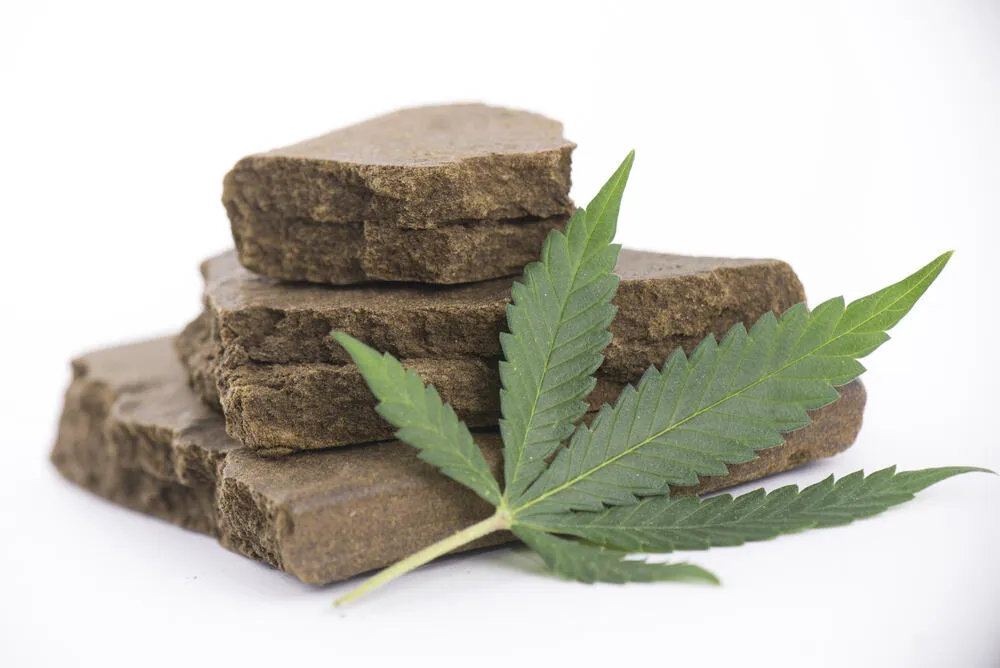
Hash weed, also known as hashish or hash, is a cannabis concentrate made from collected plant resin. Unlike dried and cured cannabis flowers, hash is produced by separating resin-rich material from the plant. It is a cannabis product rather than a separate strain or species.
Hashish has been produced for centuries in parts of Asia, North Africa, and the Middle East, where traditional collection methods developed alongside cannabis cultivation.
Today, hash remains an established cannabis concentrate, with traditional and modern production techniques creating products with different physical characteristics.
What is Hash Made From?
Cannabis hash is made primarily from glandular trichomes found on cannabis flowers and resin-coated leaves. These tiny glands produce cannabinoid-rich resin, which is collected to make hash.
Depending on the separation method, the finished product may also contain small amounts of plant material.
Cannabis Trichomes and Resin
Under magnification, many glandular trichomes have a mushroom-like structure, consisting of a stalk and a rounded resin-producing head.
The resin contains several compounds that contribute to the chemical characteristics of cannabis.
| Compound | Role in Cannabis |
| THC and THCA | THCA is the acidic precursor that converts to intoxicating THC when heated. |
| CBD and CBDA | CBD is a non-intoxicating cannabinoid formed from CBDA, with concentrations influenced by genetics. |
| Terpenes | Aromatic compounds responsible for many of the plant's distinctive scents. |
| Other cannabinoids | Compounds such as CBG and CBC contribute to the plant's cannabinoid profile. |
Grower tip: When assessing resin production, I examine the distribution and condition of glandular trichomes rather than flower size alone. Plants with similar appearances can produce different amounts of resin.
Even plants grown from high-THC cannabis seeds can vary in resin production. THC potential and the quantity of resin collected are separate characteristics.
What is the Difference Between Kief and Hash?
Kief is a fine, powder-like collection of cannabis trichomes, commonly separated from dried flowers through screening. Hash is a broader term for concentrated cannabis resin products, many of which are pressed into solid forms.
The distinction is not always clear-cut. Dry sift hash can remain loose, meaning some products may be described as either kief or hash.
Grower tip: Pressing kief changes its texture and consistency but does not automatically increase its THC content or purity.
For more information, read our guide to the best uses for kief.
How is Cannabis Hash Made?
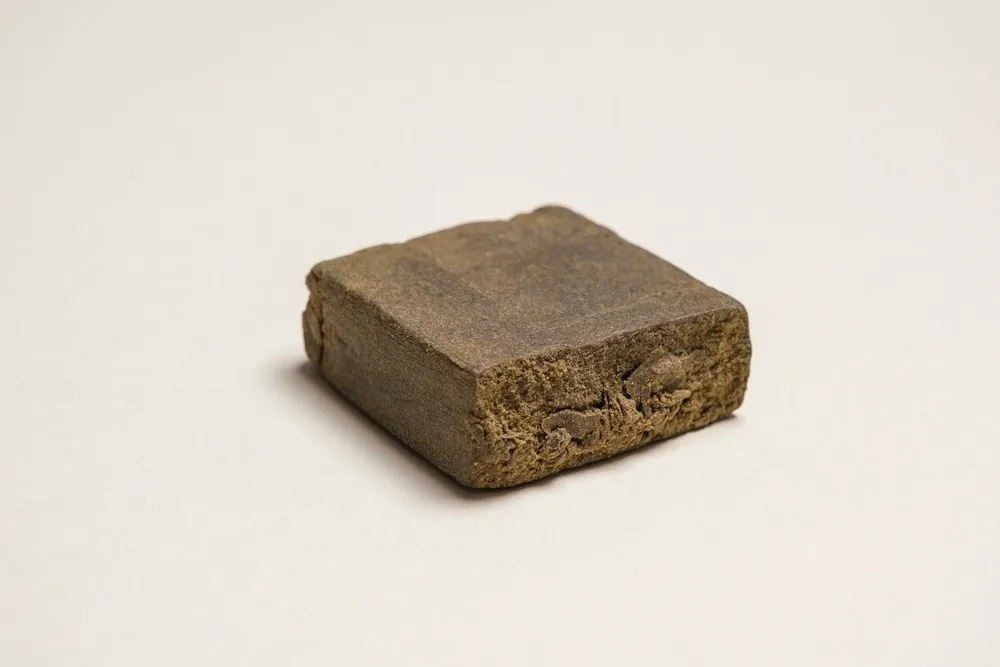
Cannabis hash is produced by collecting resin from cannabis flowers and resin-coated leaves. Traditional methods use physical separation without chemical solvents, while pressing can give the collected material a more compact form.
The main production techniques include:
| Method | How It Works | Result |
| Hand collection | Resin transfers from fresh cannabis plants through physical contact. | Soft, sticky charas |
| Dry sifting | Fine screens separate trichomes from dried plant material. | Loose, powder-like resin |
| Ice-water separation | Cold water and agitation detach trichomes, which are collected using mesh filters. | Bubble hash |
| Pressing | Previously collected resin is compressed, sometimes with heat. | Solid blocks, discs, or balls |
Pressing is a finishing technique rather than a separate extraction method. It alters the material's physical form without necessarily increasing cannabinoid concentration.
Traditional vs Modern Hash Production
Traditional hash production relies on manual collection and simple screening methods. Modern techniques use mechanical equipment to control agitation, filtration, and resin separation more consistently.
These developments allow producers to process larger quantities of cannabis while maintaining greater control over individual batches. However, the quality of the starting material and processing conditions still influence the finished product.
Grower tip: When evaluating water-separated hash, I pay particular attention to drying and storage practices. Residual moisture can encourage microbial growth, making careful post-processing important for maintaining product quality.
What Are the Different Types of Hash?
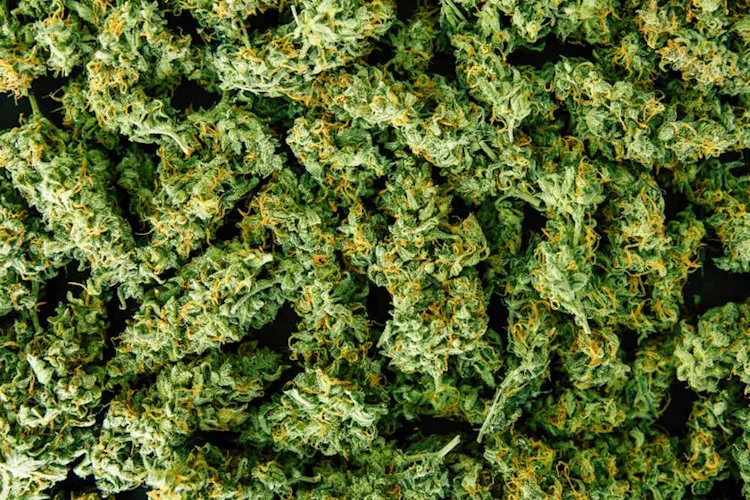
Cannabis hash comes in several forms, each with its own appearance, texture, and resin characteristics. Traditional varieties such as charas remain popular alongside dry sift and bubble hash, which are commonly produced using mechanical separation techniques.
| Type of Hash | Typical Appearance | Distinguishing Characteristics |
| Pressed hash | Brown to dark blocks, discs, or balls | Compact resin that may be firm, crumbly, or pliable |
| Dry sift hash | Golden to light brown, with a sandy texture | Fine resin particles that can remain loose or be pressed |
| Bubble hash | Pale golden to brown granules or soft resin | Can vary in consistency and melting characteristics |
| Charas | Dark, sticky, and soft | Traditionally has a pliable, putty-like consistency |
Pressed hash describes the finished form rather than a specific collection technique. Other varieties, including dry sift and bubble hash, can also be compressed into solid pieces.
These differences reflect the physical properties of cannabis resin and how it responds to processing. Research into solventless cannabis extraction provides further information about resin separation and concentrate production.
Grower tip: When comparing hash varieties, I recommend recording the source cultivar and harvest batch. Resin consistency can vary between plants, so these details help growers understand differences between finished products.
What Is the Difference Between Hash and Weed?
The main difference between hash and weed is how the cannabis plant is prepared. Weed is the dried flower, while hash is a product made from collected cannabis resin.
Although both contain cannabinoids and terpenes, their physical composition, preparation, and THC concentrations can differ.
| Characteristic | Cannabis Hash | Cannabis Flower (Weed) |
| Plant material | Primarily collected resin glands | Dried flowers retaining their natural plant structure |
| Appearance | Blocks, balls, or loose resin particles | Whole or broken cannabis buds |
| THC concentration | Often higher, depending on the product | Generally lower, although potency ranges overlap |
| Preparation | Resin separation and possible pressing | Harvesting, drying, and curing |
| Handling | Consistency varies from sticky to brittle | Flowers retain their recognizable structure |
For growers, another difference is how the original plant material can be examined. Dried flowers retain visible features such as their bud structure, pistils, and surface trichomes. These details are less apparent once the resin has been separated.
Proper post-harvest preparation also influences the condition of cannabis flowers. Our guide to drying cannabis explains how this stage affects harvested material before curing or further processing.
Neither product is automatically better than the other. They offer different forms of cannabis, with characteristics determined by the source plant and how the material has been handled.
How Much THC Does Hash Contain?
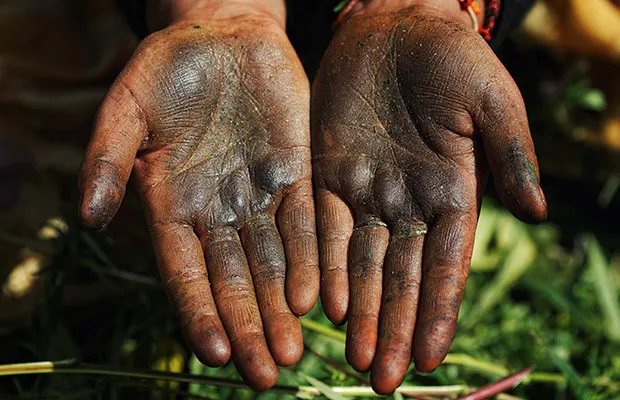
Cannabis hash often contains higher THC concentrations than dried flower, but there is no standard percentage for every product. Potency depends on the cannabis variety, resin composition, and processing method.
Why Can Hash Contain More THC Than Weed?
Hash can have a higher THC percentage because it contains a greater proportion of cannabinoid-rich resin and less ordinary plant tissue.
However, the original plant's cannabinoid profile influences the final result. Two cannabis varieties can produce similar quantities of resin but have different THC concentrations.
Grower tip: I recommend comparing cannabinoid test results when assessing resin potency. The quantity of hash collected and its THC percentage are separate measurements, so a larger resin yield does not necessarily indicate a stronger product.
Does All Hash Have High THC?
No. Traditional hash can contain moderate THC levels, while some refined concentrates have considerably higher concentrations.
A 2024 study published in the Journal of Forensic Sciences examined 58 hand-rubbed hashish samples from the northwestern Himalayas.
Researchers reported these average concentrations:
| Cannabinoid Measurement | Average Concentration |
| Delta-9 THC | 26% |
| THCA | 15% |
| Total THC | 40% |
Total THC estimates the potential THC content after accounting for the conversion of THCA into THC through heating.
These findings relate to the samples examined and should not be treated as universal averages for cannabis hash.
What Does Cannabis Hash Look, Smell and Feel Like?
Cannabis hash has several physical characteristics that distinguish it from dried flower. Its appearance and aroma depend on the resin's composition, age, and storage conditions.
Color and Appearance
Hash can range from pale yellow and golden brown to reddish brown or almost black.
Freshly collected resin may appear lighter, while oxidation and prolonged exposure to heat or air can contribute to darker shades. However, color alone cannot establish the age or quality of a product.
Texture and Aroma
Hash can have a soft, sticky, crumbly, brittle, or firm texture. Some varieties retain a sandy consistency, while others form cohesive pieces.
The aroma comes primarily from terpenes and other volatile compounds present in the cannabis resin. Depending on the original plant, hash may have earthy, herbal, spicy, citrus, or pine-like notes.
Grower tip: When examining stored hash, I would check for changes in smell and visible signs of moisture damage. A persistent musty odor or visible mold may indicate contamination. Such material should not be used.
What Are the Effects of Cannabis Hash?
THC-containing cannabis hash produces psychoactive effects by interacting with cannabinoid receptors in the body's endocannabinoid system.
The experience varies according to the amount of THC consumed, individual sensitivity, and method of consumption.
Commonly Reported Effects
Cannabis hash can produce several short-term effects:
- Relaxation or euphoria: Changes in mood and feelings of well-being.
- Altered perception: Changes in sensory experiences and awareness of time.
- Increased appetite: Greater feelings of hunger.
- Reduced coordination: Slower physical responses and reaction times.
- Short-term memory changes: Temporary difficulty recalling or processing information.
These effects are not guaranteed, and the same product can affect individuals differently.
Potential Side Effects and Risks
High THC exposure can cause unwanted reactions, including anxiety, paranoia, dizziness, increased heart rate, and impaired judgment.
Frequent cannabis use may contribute to dependence, while regular exposure to high-potency products is associated with greater risks of certain mental health problems.
Smoking hash also exposes the respiratory system to harmful combustion products.
According to the National Institutes of Health, cannabis can affect functions needed for safe driving. These effects can increase the risks associated with operating vehicles or machinery.
How is Hash Different From Other Cannabis Concentrates?
Hash belongs to the wider category of cannabis concentrates, but not all concentrates contain the same form of extracted material.
The main distinction is between products containing collected trichome material and those produced by extracting resinous oils.
| Cannabis Concentrate | Production Method | Typical Form |
| Kief | Trichomes collected through dry screening | Fine, loose powder |
| Traditional hash | Collected resin, often compressed using pressure | Solid blocks or pliable pieces |
| Rosin | Resinous oil extracted using heat and pressure | Sticky, waxy, or oil-like concentrate |
| Hash oil | Cannabis oil commonly obtained using chemical solvents | Thick liquid or viscous oil |
Traditional hash generally retains collected trichome material, while rosin is produced by expressing resinous oil from cannabis flower or hash. Hash oil often involves solvent-based extraction.
For growers, understanding these distinctions helps explain why concentrates can have different physical properties, even when they originate from the same cannabis variety.
Conclusion
Cannabis hash has a long history, but its quality depends on more than traditional production methods or appearance. The characteristics of the original plant, resin collection, and processing conditions all influence the finished product.
For growers, understanding trichome development and cannabinoid composition provides a useful foundation for evaluating cannabis resin. Whether you're comparing traditional hash with modern concentrates or learning about THC potency, reliable information and laboratory testing are more valuable than appearance or product claims alone.
Frequently Asked Questions
How Should Cannabis Hash Be Stored?
Store hash in a clean, airtight container in a cool, dark, dry location. Excessive heat, light, and oxygen can accelerate cannabinoid and terpene degradation, while moisture can encourage microbial growth.
What Does Full-Melt Hash Mean?
Full-melt hash describes a high-grade resin concentrate that melts extensively when heated, leaving relatively little solid residue. The term is commonly associated with carefully separated bubble hash, although it is not a standardized laboratory quality grade.
What Does Micron Size Mean in Hash Production?
Micron size refers to the openings in the screens or filters used to separate cannabis trichomes. Different sizes collect different particles, but the micron rating alone cannot confirm THC content or resin purity.
What Is Fresh-Frozen Hash?
Fresh-frozen hash is produced using cannabis material frozen shortly after harvest rather than conventionally dried and cured. This approach can help preserve certain aromatic compounds, although the final results depend on processing and storage conditions.
Can Hash Be Produced From Male Cannabis Plants?
Male cannabis plants can develop glandular trichomes, but they generally produce much less resin-rich flower material than female plants. For this reason, commercial hash production typically relies on resin collected from female cannabis flowers.
References
- Xie, Z., et al. (2023). Cannabis sativa: Origin and history, glandular trichome development, and cannabinoid biosynthesis. Horticulture Research, 10(9), uhad150. DOI: 10.1093/hr/uhad150.
- Chauhan, J., et al. (2024). Phytocannabinoid profile and potency of cannabis resin (hashish) of northwest Himalayas of India. Journal of Forensic Sciences, 69(5), 1918–1925. DOI: 10.1111/1556-4029.15583.
- National Institute on Drug Abuse. Cannabis (Marijuana). National Institutes of Health. Information on THC, cannabis effects, and potential health risks.


