




OG Kush is one of the most recognised cannabis strains, known for its earthy pine aroma, sharp citrus notes and relaxing effects. With roots in California's cannabis scene, this classic indica-dominant hybrid has influenced generations of Kush varieties and remains popular among growers and consumers.
But what makes OG Kush different from other strains, and is it suitable for beginners? This OG Kush strain review explores its genetics, taste, smell, effects and growing characteristics, including its flowering time, yield potential and the challenges growers should expect.
Key Takeaways
- Genetics: OG Kush is an indica-dominant hybrid with disputed origins and a long history in California cannabis breeding.
- Taste and smell: Expect earthy pine, fresh citrus, woody notes and a distinctive fuel-like aroma.
- Effects: OG Kush is commonly associated with euphoria and physical relaxation, although individual experiences vary.
- THC strength: THC levels can reach 20–24%, making OG Kush a potentially strong strain for inexperienced consumers.
- Growing characteristics: OG Kush typically flowers in 8–10 weeks indoors, producing dense, resin-covered buds that require careful moisture management.
What is OG Kush?
OG Kush is a classic indica-dominant cannabis hybrid known for its pungent aroma, high THC potential and dense, resinous flowers.
Its popularity helped establish the reputation of modern Kush cannabis strains, particularly those with earthy, citrus and fuel-like characteristics.
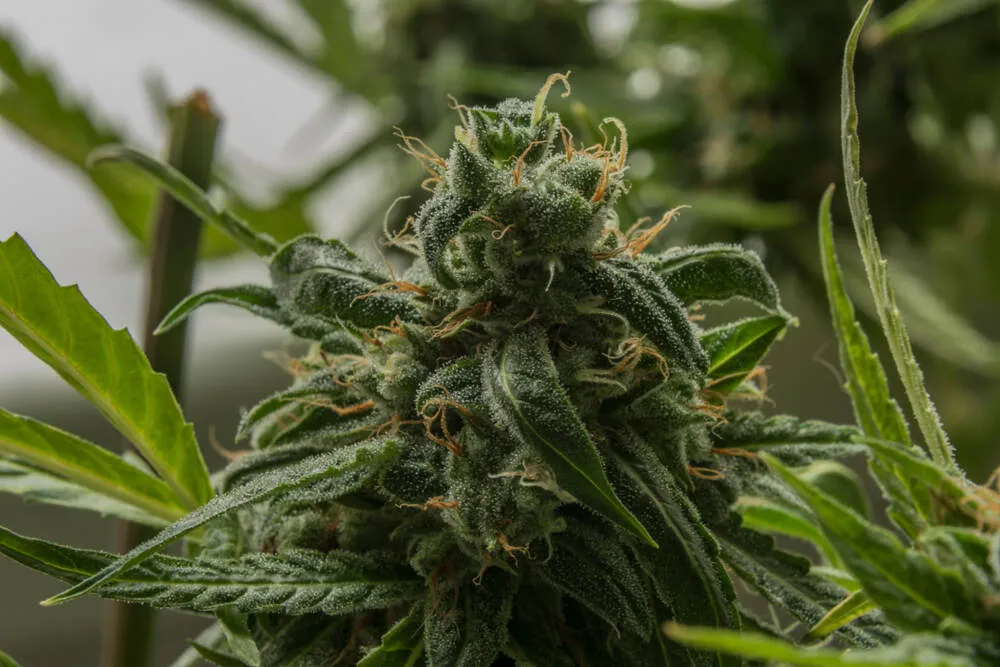
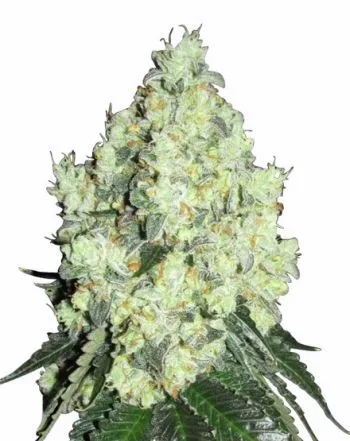
The plant usually develops a strong central stem, broad leaves and lateral branches. Mature flowers tend to be compact, with lime-green buds, orange pistils and a noticeable covering of trichomes.
The OG Kush Feminized variety has the following advertised characteristics.
| Characteristic | OG Kush Feminized |
| Strain type | Indica-dominant hybrid |
| Genetics | Chemdawg and Kush ancestry |
| THC | Advertised at 20–24% |
| CBD | Low |
| Aroma | Pine, earth, citrus and fuel |
| Reported effects | Euphoric, relaxing |
| Indoor height | Approximately 100–180 cm |
| Flowering time | 8–10 weeks |
| Indoor yield | 400–500 g/m² |
| Growing difficulty | Medium |
These figures describe the advertised potential of this variety, not guaranteed results from every plant.
OG Kush Genetics and Origins
OG Kush became prominent in Southern California during the 1990s, although its precise breeding history remains uncertain.
Chemdawg features in several accounts of its ancestry, alongside Hindu Kush and other regional genetics. However, there is no universally accepted record confirming the original cross.
The meaning of "OG" is equally disputed. "Ocean Grown" is a popular explanation, while others associate the name with "Original Gangster" or particular growing communities.
What is clear is OG Kush's influence on later breeding. Its characteristic aroma and growth traits appear across numerous OG-related varieties.
What Does OG Kush Smell and Taste Like?
OG Kush Smell
OG Kush has a particularly noticeable aroma. Breaking apart a mature flower commonly releases earthy pine and woody scents, followed by sharper lemon and fuel-like notes.
Caryophyllene, limonene and myrcene are among the terpenes associated with its aroma.
However, individual plants can differ. Research by Birenboim et al. (2022) demonstrates the value of cannabinoid and terpene profiles when distinguishing cannabis varieties.
OG Kush Taste
The taste generally follows the aroma, with earthy pine, citrus and a slightly peppery finish.
Some samples have stronger herbal or woody qualities, while others lean towards lemon and fuel.
Drying and curing also influence the finished flower. Poorly handled buds can lose much of their characteristic aroma, regardless of the original genetics.
What Are the Effects of OG Kush?
OG Kush is commonly associated with an initial feeling of euphoria followed by physical relaxation. Some consumers describe feeling cheerful and mentally alert at first, while others report becoming noticeably sleepy.
These experiences are subjective. THC concentration, individual tolerance and the chemical composition of the product all influence how cannabis affects someone.
OG Kush is also known for its relatively high THC potential. This makes it less suitable for people seeking a mild experience or those particularly sensitive to THC.
Possible unwanted effects include dry mouth, dizziness, anxiety and impaired coordination.
Although OG Kush is sometimes discussed in connection with medical cannabis, there is insufficient strain-specific clinical evidence to claim that it treats particular health conditions.
| THC % | Up to 24% |
|---|---|
| Flowering Time | 8-10 Weeks |
| Outdoor harvest | Early October |
| Yield | 400-500gr/m² |
| Indica/Sativa | Indica Dominant |
| Height | Medium: 100cm-180cm |
| Difficulty | Medium |
| CBD Content | <1% |
| Climate | Sub Tropical, Tropical, Warm |
| Seed Type | Feminized |
| Genetics | Chemdawg x Hindu Kush |
| Effects | Relaxing |
| Taste | Pine, Woody, Earthy |
| Terpene | Caryophyllene, Limonene, Myrcene |

How to Grow OG Kush: Step-by-Step Guide
OG Kush is rated as moderately difficult to grow. Its branching structure is manageable, but dense flowers and sensitivity to environmental conditions can make it less forgiving than some beginner varieties.
Step 1: Establish Healthy Early Growth
Young OG Kush plants need time to develop healthy roots and several sets of leaves before more demanding plant management becomes relevant.
During the cannabis vegetative stage, steady development is more important than rapid growth. Watch for weak stems, yellowing leaves or stalled development.
Step 2: Manage Plant Height and Branching
OG Kush typically develops a central stem supported by several productive side branches.
Its medium-height structure can suit indoor environments, although plants may become broader as they mature.
Growers familiar with low-stress training will recognise why an open, evenly distributed canopy can make plant inspection and light distribution easier.
Step 3: Watch for Flowering Stretch
As a photoperiod variety, OG Kush responds to seasonal changes in daylight outdoors and controlled light cycles indoors.
Additional vertical growth is common during early flowering, so its final height may differ considerably from its size during vegetative growth.
Step 4: Check Flower Development
OG Kush produces compact flowers that can become increasingly dense as they mature.
This is one of its attractive qualities, but closely packed flowers can also trap moisture. Poor airflow and prolonged humidity increase the risk of fungal problems.
The cannabis flowering stage guide explains how flower development changes over time.
Step 5: Understand Flowering Time and Yield
The traditional photoperiod variety has an advertised indoor flowering period of approximately 8–10 weeks. In suitable outdoor climates, harvest timing depends on local seasons and weather conditions.
Advertised indoor yields reach 400–500 g/m², although actual production depends on growing conditions and plant health.
OG Kush can perform indoors or outdoors, but warm climates and relatively dry conditions during late flowering are advantageous.
Different Types of OG Kush
Several varieties share OG Kush ancestry or similar characteristics, but they should not be treated as identical plants.
| Variety | Main characteristic |
| Tahoe OG | Known for its pungent, earthy aroma |
| SFV OG | Associated with pronounced pine and citrus notes |
| Platinum OG | Often recognised for dense, resinous flowers |
| Ghost OG | A distinct OG-related selection |
Different seed versions of classic OG Kush are also available, including autoflowering and fast-flowering options.
Growers interested in traditional growth patterns can explore indica cannabis seeds for other varieties with similar structural characteristics.
Conclusion
OG Kush has earned its reputation through a recognisable aroma, resin-rich flowers and a long history in cannabis breeding.
For growers, its manageable height and productive branching are appealing, although dense buds require attention during flowering. Its relatively high THC potential may also be unsuitable for consumers who prefer milder strains.
OG Kush is a worthwhile variety to understand, particularly for anyone interested in traditional California genetics. Just remember that seed line, growing conditions and individual plant variation influence the finished result.
OG Kush Frequently Asked Questions
Is OG Kush indica or sativa?
OG Kush is generally classified as an indica-dominant hybrid, although precise genetic ratios vary between sources.
How strong is OG Kush?
The strain has an advertised THC potential of approximately 20–24%. Actual potency varies between plants and growing conditions.
Is OG Kush easy to grow?
OG Kush has medium growing difficulty. Its dense flowers and moisture-management requirements can challenge beginners.
How long does OG Kush take to flower?
The standard photoperiod variety typically flowers in approximately 8–10 weeks indoors.
What does OG stand for in OG Kush?
"Ocean Grown" is a popular interpretation, but the original meaning remains disputed.
References
Volkow, N. D., et al. (2014). Adverse Health Effects of Marijuana Use. New England Journal of Medicine, 370, 2219–2227. https://doi.org/10.1056/NEJMra1402309
Birenboim, M., et al. (2022). Multivariate classification of cannabis chemovars based on their terpene and cannabinoid profiles. Phytochemistry, 200, 113215. https://doi.org/10.1016/j.phytochem.2022.113215
Russo, E. B. (2011). Taming THC: Potential Cannabis Synergy and Phytocannabinoid-Terpenoid Entourage Effects. British Journal of Pharmacology, 163(7), 1344–1364. https://doi.org/10.1111/j.1476-5381.2011.01238.x


