




Autoflower cannabis strains are typically grown for their fast life cycle and compact size, but their final height can vary widely depending on genetics and growing conditions. Most autoflowers reach around 20–59 inches tall, with shorter indica-dominant varieties staying compact and taller sativa-dominant strains stretching much further, especially outdoors. Factors like pot size, lighting, temperature, and training techniques also influence how large a plant becomes. Understanding what affects autoflower height helps growers better manage space, improve light exposure, and avoid common problems like stunted growth or excessive stretching. Here’s what growers should know about managing autoflower size effectively.
Key Takeaways
- Most autoflower cannabis strains typically grow between 20–59 inches tall, depending on genetics and environment.
- Indica-dominant autoflowers usually stay shorter and bushier, while sativa-dominant varieties commonly grow taller and stretch more.
- Indoor autoflowers often remain around 20–39 inches due to controlled conditions and limited root space.
- Larger pots, stronger lighting, and warmer outdoor climates can encourage taller autoflower growth.
- Low-stress training (LST) is commonly used to control height while improving light distribution and canopy development.
- Excessive stretching is often linked to weak light intensity, while stunted growth can result from cold temperatures, overwatering, or restricted root space.
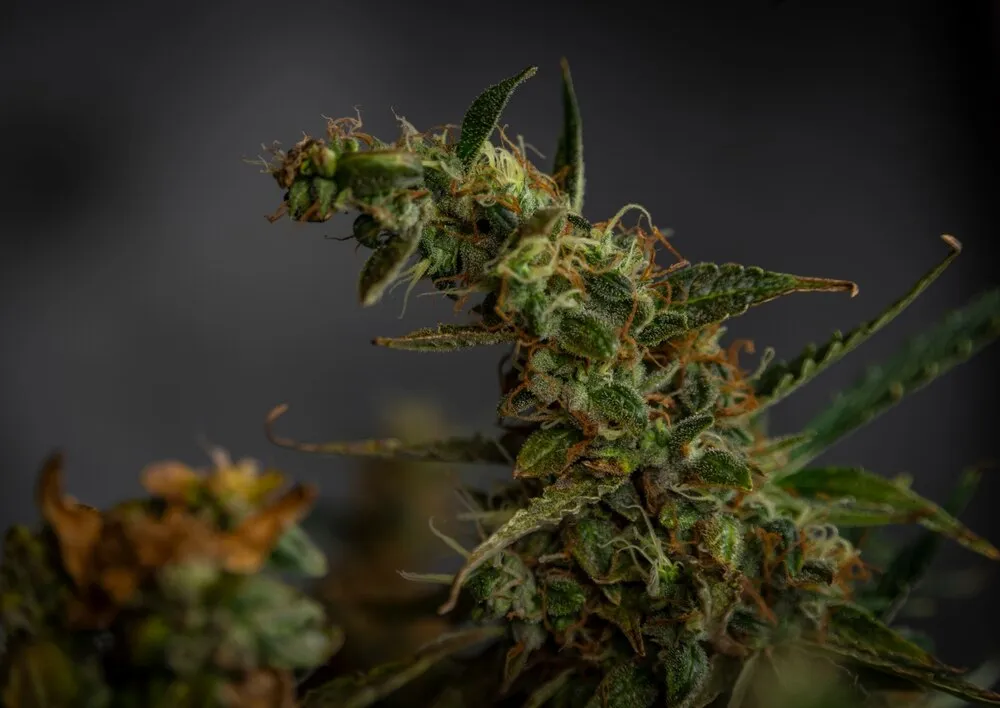
What are autoflowers?
Autoflowers are cannabis strains that naturally transition from the vegetative phase to the flowering phase based on age rather than changes in light cycles. This happens thanks to their Ruderalis genetics, which developed in areas with short summers and long daylight hours.
Because of this built-in growth timer, autoflowers have a shorter life span - usually around 8 to 12 weeks from seed to harvest. This makes them super convenient for quick grows but also means they don’t have as much time to stretch as photoperiod strains do.
Genetic factors influencing height
Genetics play a huge role in determining the final height of an autoflower. Some strains are naturally short and stocky, while others can grow surprisingly tall for an autoflower.
- Indica-dominant autoflowers tend to be shorter and bushier, usually maxing out at around 50-80 cm (20-31 inches).
- Sativa-dominant autoflowers can grow much taller, often reaching 90-120 cm (35-47 inches) or more.
- Hybrid autoflowers fall somewhere in between, with varying heights depending on the dominant traits.
Average height of autoflowering strains
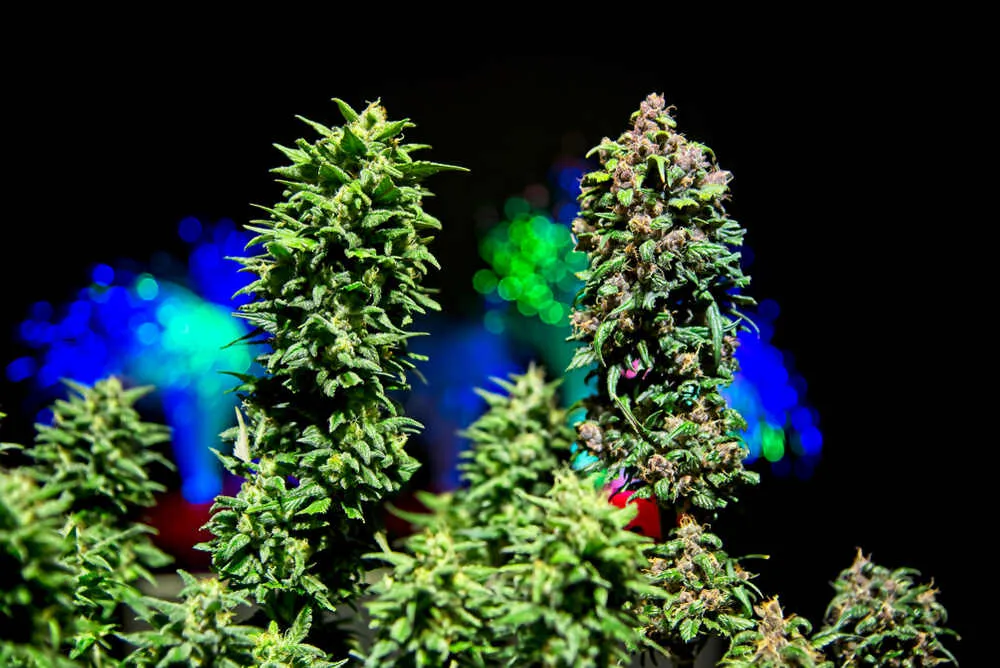
Now that you know genetics influence height, let’s talk numbers. How tall do most autoflowers actually grow?
Typical indoor heights
If you’re growing indoors, expect your autoflowers to stay on the shorter side. With controlled lighting, limited root space and proper training techniques, most autoflowers reach around 50-100 cm (20-39 inches) indoors. However, with larger pots and powerful grow lights, some taller varieties can stretch beyond 120 cm (47 inches).
Typical outdoor heights
Outdoors, autoflowers often grow taller because they have unlimited root space and natural sunlight. On average, outdoor autoflowers range between 60-150 cm (24-59 inches), depending on strain, climate and growing conditions. If you grow in a warm, sunny climate with rich soil, you might see even taller plants.
Factors affecting autoflower height
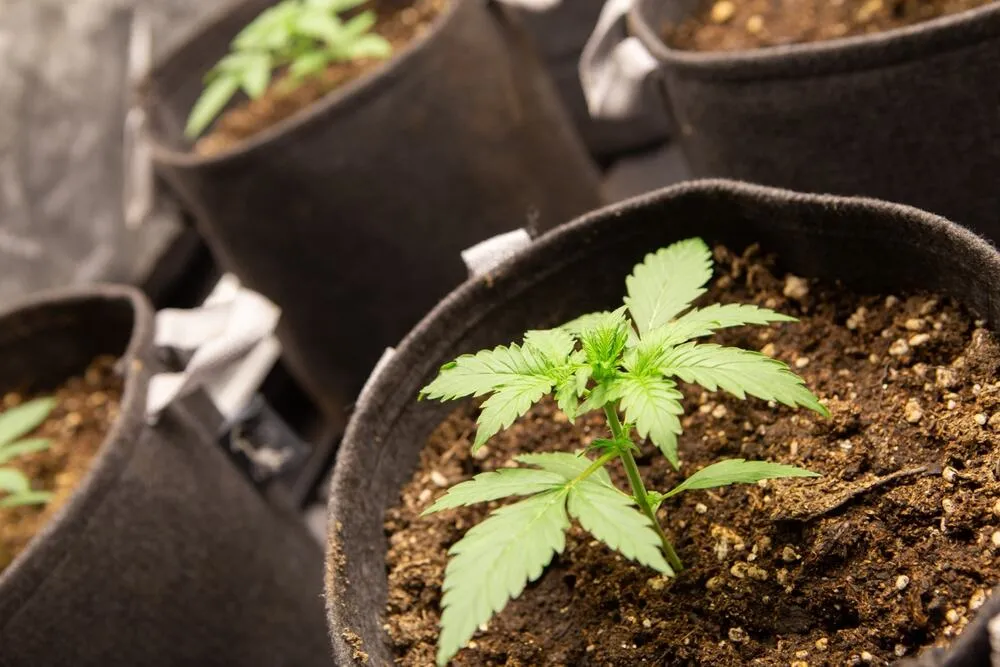
Autoflowers don’t just grow to a set height—many factors influence how tall they’ll get. Let’s break them down.
Genetic influence: Indica vs. Sativa dominance
As mentioned earlier, Indica-dominant strains tend to stay short and compact, while Sativa-dominant strains have a natural tendency to stretch. When choosing an autoflower, always check the strain’s genetics to get an idea of its expected height.
Environmental conditions: Light, Temperature, and Humidity
- Light: More intense light encourages shorter, bushier growth, while lower light intensity can lead to stretching. Keeping lights closer to the plants during early growth prevents them from getting leggy.
- Temperature: Warmer temperatures can promote more vigorous growth, while cooler temperatures may slow it down.
- Humidity: High humidity can sometimes cause plants to stretch, especially in the early stages. Keep humidity around 50-60% for balanced growth.
Pot size and root development
Autoflowers don’t need massive pots, but their final height is influenced by root space. Larger pots allow for bigger root systems, which usually result in taller plants.
- Small pots (2-3 gallons): Plants tend to stay short (under 70 cm or 28 inches).
- Medium pots (3-5 gallons): Plants reach medium height (70-100 cm or 28-39 inches).
- Large pots (5+ gallons): Maximum potential height (100 cm+ or 39+ inches).
Nutrient management and its impact on growth
Autoflowers don’t need as many nutrients as photoperiod plants, but they still rely on a balanced feeding schedule. Overfeeding can stunt growth, while underfeeding can lead to weak, finnicky plants. Stick to light nutrient doses and gradually increase as your plant matures.
Techniques to control and maximize autoflower height
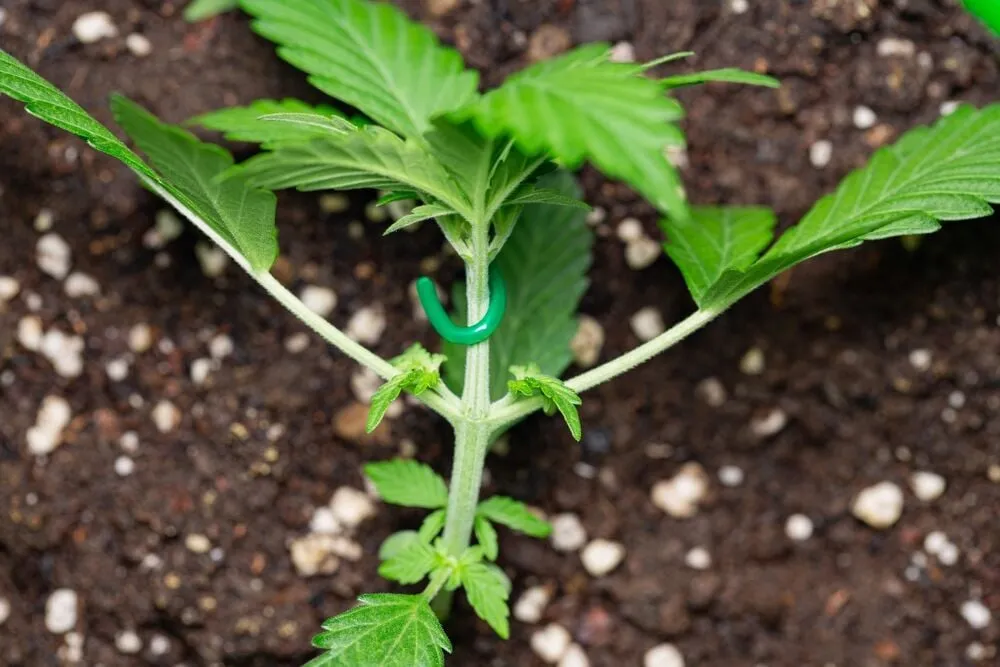
Whether you want to keep your plants short or encourage them to grow taller, there are ways to control their height.
Low-Stress Training (LST) methods
LST involves gently bending and tying down branches to create a more horizontal growth pattern. This keeps your plant short while increasing light exposure, leading to bigger yields without excessive height.
Optimal light cycles for desired growth
Autoflowers can grow under 18/6, 20/4 or even 24/0 light cycles. If you want taller plants, a 20/4 or 24/0 cycle might promote extra growth, while 18/6 can keep them more compact.
Selecting the right pot size for height management
As mentioned earlier, the bigger the pot, the bigger the plant. If you want to keep your autoflowers small, stick with a 2–3-gallon pot. If you’re aiming for maximum height, go for 5+ gallons and use a breathable fabric pot to encourage healthy root development.
Common challenges and solutions in managing autoflower height
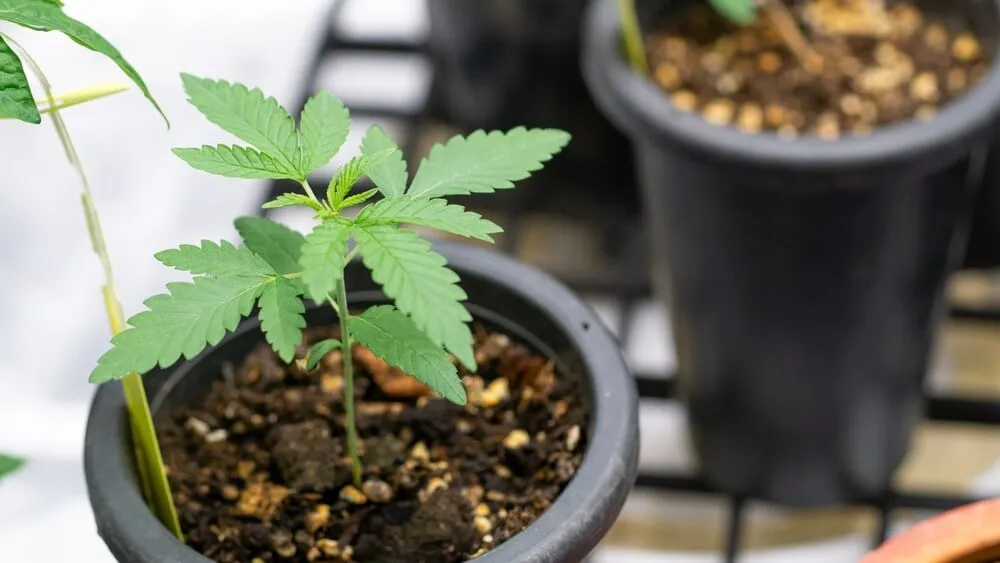
Autoflowers are relatively easy to grow, but managing their height can sometimes be tricky. Here are some common problems and how to fix them.
Preventing and addressing stunted growth
If your autoflowers are staying too short, it could be due to:
- Cold temperatures slowing growth
- Small pot size restricting root development
- Too much or too little light
- Overwatering, which can stunt root expansion
- Underfeeding or nutrient imbalances affecting growth
Solution:
- Keep temperatures above 20°C (68°F)
- Use at least a 3-gallon pot
- Ensure strong, consistent lighting
- Water appropriately, letting the top inch of soil dry between watering
- Feed with balanced nutrients, ensuring adequate nitrogen in early growth
Managing excessive stretching
Leggy plants are usually caused by low light intensity, high temperatures or an imbalance in the light spectrum. If your plants are stretching too much:
- Lower your grow lights closer to the canopy to increase light intensity and prevent excessive stretching.
- Maintain proper humidity levels, avoiding sudden spikes, especially at night, to reduce unnecessary stretch.
- Ensure a balanced light spectrum, with enough blue light to promote compact, sturdy growth.
- Keep temperatures stable, ideally between 22-28°C (72-82°F), to prevent heat-induced stretching.
- Use LST (Low-Stress Training) to encourage a shorter, bushier shape and better light distribution across the canopy.
- Provide adequate spacing between plants to prevent them from competing for light and stretching upwards.
Balancing height with yield optimization
Taller plants don’t always mean bigger yields. Sometimes, a well-trained, bushy autoflower produces more bud than a tall, untrained one. If yield is your goal, focus on maximizing light penetration rather than just height.
FAQs
How tall do autoflowers usually grow indoors?
Most autoflowers grown indoors typically reach between 20–39 inches tall, depending on the strain and setup. Factors like pot size, lighting intensity, and training methods can all influence final height.
Do autoflowers grow taller outdoors?
Yes, autoflowers commonly grow taller outdoors because they have access to natural sunlight and unrestricted root space. In favorable climates, some outdoor plants can exceed 59 inches in height.
Can you control the height of autoflowers?
Growers often manage autoflower height using techniques like low-stress training (LST), smaller pots, and careful light placement. These methods can help create shorter, bushier plants without heavily stressing them.
Why are my autoflowers stretching too much?
Excessive stretching is commonly caused by insufficient light intensity or lights being placed too far from the canopy. High temperatures and overcrowded grow spaces can also encourage plants to grow taller and thinner.
Does a bigger pot make autoflowers grow larger?
Larger pots generally allow for better root development, which can support taller and more vigorous plant growth. However, genetics and environmental conditions still play a major role in determining final size.


