




Green Crack is a sativa-dominant cannabis strain known for its energetic character, citrus and pine aroma, and relatively short flowering time. For new growers, its main appeal is that it combines classic sativa traits with a more manageable structure than many taller, slower-finishing varieties. Plants typically reach around 100–180 cm and flower in approximately 8–10 weeks, making them suitable for indoor or outdoor cultivation. Green Crack also responds well to simple training, which can help improve canopy shape and airflow. With sensible plant management and stable conditions, it is a practical option for growers building their first successful crop.
Key Takeaways
- Indoor yields can reach around 400–500 g/m² under suitable growing conditions.
- Green Crack is a 70% sativa-dominant hybrid with Skunk #1 genetics.
- Plants usually reach around 100–180 cm, making them manageable for many indoor setups.
- The flowering stage typically lasts 8–10 weeks.
- Green Crack responds well to low-stress training and basic canopy management.
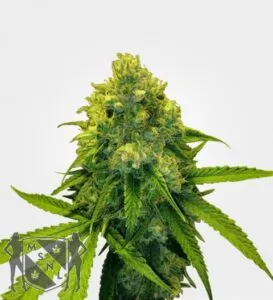
What is the Green Crack Strain?
Green Crack is a sativa-dominant hybrid bred from Skunk #1 and an unknown Californian indica.
Its structure falls between a tall traditional sativa and a more compact modern hybrid. Plants grow upright but also produce enough lateral branching to respond well to training.
Growers looking for similar genetics can compare other sativa cannabis seeds, although terms such as sativa and indica should be treated as broad classifications rather than exact predictors of effects or chemistry.
Research into commercial cannabis has shown considerable chemical variation between cultivars, including products sold under similar strain classifications.
The current Green Crack Feminized seeds are listed at up to 24% THC, with a medium final height and an 8–10 week flowering period.

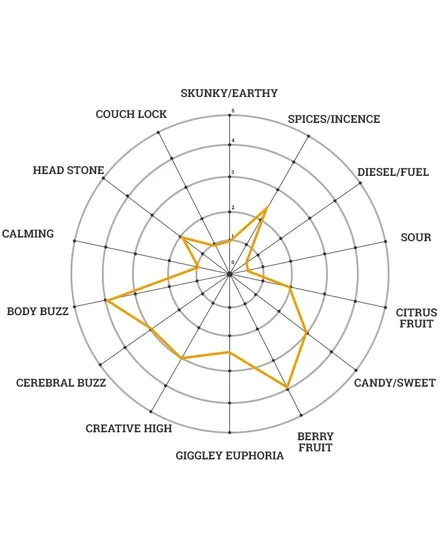
| THC % | Up to 24% |
|---|---|
| Flowering Time | 8–10 Weeks |
| Outdoor harvest | End Of September |
| Yield | 400–500 g/m² |
| Indica/Sativa | Sativa Dominant |
| Height | Medium: 100–180 cm |
| Difficulty | Easy |
| CBD Content | Less than 1% |
| Climate | Warm |
| Seed Type | Feminized |
| Genetics | Skunk #1 Parent x Unknown Californian Indica |
| Effects | Energising, Relaxing |
| Taste | Woody, Citrus, Earthy |
| Terpene | Myrcene, Caryophyllene, Pinene |
{{block class="FishPigExtend\Wordpress\Block\Product\Related" sku="GC-F010"}}
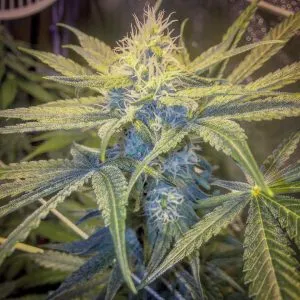
Green Crack Genetics and History
Green Crack has a less certain history than many modern commercial strains.
Older accounts suggest that the strain originally circulated under the name Cush before Green Crack became the better-known name. Snoop Dogg is often credited with popularizing the Green Crack name because of the strain's energetic reputation, although the story is difficult to verify independently.
What matters more for growers is the genetics of the specific seed line being cultivated. The current version combines Skunk #1 with an unidentified Californian indica, producing a plant with clear sativa influence but a more manageable growth pattern.
Is Green Crack Sativa or Indica?
Green Crack is a sativa-dominant hybrid, with the current line listed at around 70% sativa and 30% indica.
Its growth reflects that balance. Plants tend to develop upright stems with productive side branching, but they are generally easier to manage than taller, slower-finishing sativas.
As a photoperiod cannabis strain, flowering begins once the light cycle changes. Indoors, this gives growers more control over vegetative time and final plant size.
Green Crack THC and Potency
Green Crack is listed at up to 24% THC, putting it on the stronger side of the potency range.
That figure is best treated as a potential maximum rather than a fixed result. THC levels can vary between phenotypes and are also influenced by growing conditions, harvest timing, drying, curing and storage.
Potency alone does not define the strain either. Its terpene profile, cannabinoid balance and individual plant expression all contribute to the final experience.
What Does Green Crack Smell Like?
Green Crack has a sharp, fresh aroma built around citrus and pine, with earthy and woody notes underneath.
Myrcene, caryophyllene and pinene are associated with the current line, although the exact balance can differ between plants. Some phenotypes lean brighter and more citrus-heavy, while others bring out stronger pine, wood or earth.
What Does Green Crack Taste Like?
The flavor follows the aroma closely.
Citrus usually comes through first, followed by earthy, woody and lightly pine-like notes. Some plants may develop a sweeter or fruitier finish.
Drying and curing make a noticeable difference here. Flowers that are dried too quickly can lose much of the aroma and flavor that was present before harvest.
Green Crack Effects
Green Crack is best known for an uplifting, energetic and clear-headed character, which is why it is often associated with daytime use.
That reputation should not be taken as a guarantee. The experience can change according to dose, tolerance, individual sensitivity and the chemistry of the finished flower.
Because this is a higher-THC strain, less experienced consumers or those sensitive to THC may find it stronger than expected. Higher doses can also shift the experience away from energetic and into something less comfortable.
Potential Side Effects
Possible side effects can include:
- Dry mouth
- Dry eyes
- Dizziness
- Increased anxiety
- Feeling overly intoxicated
- Paranoia in THC-sensitive users
These effects are not unique to Green Crack and tend to become more likely as THC intake increases.
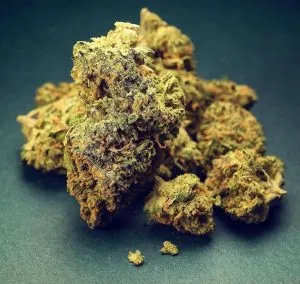
How to Grow Green Crack: Step-by-Step Guide
Green Crack is considered relatively easy to grow, but it responds best when you manage its shape before flowering. The main goal is to build a healthy plant, spread the branches across the available space and maintain good airflow as the flowers develop.
Step 1: Establish Healthy Early Growth
Start by allowing the plant to establish a healthy root system and several strong branches before introducing heavier training.
During the cannabis vegetative stage, focus on steady growth rather than trying to shape the plant too early. Once the main branches are developing well, you can begin opening up the structure.
Step 2: Train the Branches Outward
Green Crack responds well to low-stress training.
Gently spreading the side branches outward creates a wider, flatter canopy instead of allowing one central stem to dominate. This helps more flowering sites receive direct light and also creates space for air to move through the plant.
Continue adjusting the branches as the plant grows rather than trying to reshape everything at once.
Step 3: Leave Space for Flowering Stretch
Do not allow indoor plants to use all available vertical space before flowering begins.
Green Crack can continue gaining height during the early flowering period, so leave enough room between the top of the canopy and the light.
As a photoperiod strain, its flowering stage begins after the light cycle is changed, making it easier for indoor growers to decide when the plant has reached a suitable size.
Step 4: Keep the Canopy Open
As branches develop, check the center of the plant for overcrowded growth.
Remove unnecessary interior growth where needed and avoid allowing branches and leaves to form a dense mass. An open canopy gives flowering sites better access to light while helping moisture escape.
Airflow becomes particularly important later in bloom when flowers are larger and denser.
Step 5: Support Developing Branches
Green Crack can produce enough flower weight for some branches to require additional support.
Stakes, plant ties or a trellis can help keep branches upright as flowering progresses. Add support before branches begin leaning heavily rather than waiting until they are already struggling under the weight.
Step 6: Manage the Flowering Stage
Green Crack normally flowers for around 8–10 weeks indoors.
During this period, concentrate on keeping the environment stable and checking the canopy regularly. Avoid allowing dead plant material or tightly packed growth to remain around developing flowers.
Dense flowers combined with trapped moisture can increase the risk of fungal problems. Our guide to mold on cannabis plants explains the warning signs to look for.
Step 7: Prepare for Harvest
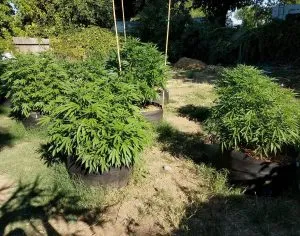
Outdoor Green Crack plants typically reach maturity around late September when grown under suitable conditions.
Indoors, use the 8–10 week flowering period as a guide rather than treating it as an exact harvest date. Individual plants can finish slightly earlier or later depending on phenotype and growing conditions.
Indoor yield potential is approximately 400–500 g/m², although actual results depend on plant size, lighting, root space, training and overall environmental control.
Outdoor plants generally perform best in warm conditions with plenty of direct sunlight.
Conclusion
Green Crack remains a popular sativa-dominant strain because it combines manageable growth with a relatively short flowering period and a distinctive citrus, pine and earthy profile.
For growers, its main advantages are its medium height, useful side branching and ability to respond well to training. An 8–10 week flowering period also makes it more practical indoors than many longer-flowering sativas.
The main consideration is potency. With THC levels reaching up to 24%, Green Crack may be stronger than some consumers prefer. Overall, it suits growers looking for sativa-leaning genetics without the excessive height or extended flowering time associated with some traditional sativa varieties.
Frequently Asked Questions
Is Green Crack Easy for a Beginner to Grow?
Yes. Green Crack is considered relatively beginner-friendly. It grows with a manageable structure, responds well to simple training and usually flowers in around 8–10 weeks. New growers should focus on keeping the environment stable and avoiding an overcrowded canopy.
How Much Space Does Green Crack Need Indoors?
Green Crack typically reaches around 100–180 cm, depending on how long it stays in vegetative growth and how it is trained. Indoors, leave enough vertical space for additional stretch after flowering begins and avoid letting plants become too tall before changing the light cycle.
Should I Train Green Crack Plants?
Training is useful but does not need to be complicated. Low-stress training can help spread the branches outward, create a more even canopy and improve light exposure. Beginners should start gently and avoid making too many changes to the plant at once.
How Do I Know When Green Crack Is Ready to Harvest?
The 8–10 week flowering period gives you a rough guide, but do not harvest based on the calendar alone. Check flower development and trichome maturity as harvest approaches, as individual plants can finish slightly earlier or later.
What Problems Should New Growers Watch for With Green Crack?
The main things to watch are excessive stretch, crowded growth, weak airflow and heavy branches later in flowering. Check plants regularly, keep the canopy open and add support before branches begin leaning under the weight of developing flowers.
References
- Goodwin I. et al. (2026). The subjective effects of Δ9-tetrahydrocannabinol: A systematic review and dose-response meta-regression. Neuroscience & Biobehavioral Reviews. PubMed
- Birenboim M. et al. (2022). Multivariate classification of cannabis chemovars based on their terpene and cannabinoid profiles. Phytochemistry. PubMed
- Mudge E.M., Brown P.N. & Murch S.J. (2019). The Terroir of Cannabis: Terpene Metabolomics as a Tool to Understand Cannabis sativa Selections. Planta Medica. PubMed

