




Blue Dream is one of the best-known cannabis strains, combining recognizable genetics with a grower-friendly structure and strong yield potential. The Blue Dream cannabis strain is generally classed as a sativa-dominant hybrid, with Blue Dream genetics commonly linked to Blueberry and Haze. If you are wondering what strain is Blue Dream weed, expect a tall, branching plant with sweet berry aromas, relatively high THC, and a flowering time of around 9–10 weeks. This guide covers Blue Dream THC, Blue Dream effects, Blue Dream terpenes, and, most importantly, how to grow Blue Dream successfully indoors or outdoors.
Key Takeaways
- Blue Dream is a sativa-dominant hybrid commonly associated with Blueberry and Haze genetics.
- It is typically a THC-dominant, low-CBD strain, with potency varying between breeders, phenotypes, and growing conditions.
- Blue Dream is known for sweet berry and blueberry aromas, often supported by pine, herbal, and spicy notes.
- It is generally easy to moderate to grow, but indoor growers should manage its height and flowering stretch early.
- Blue Dream usually flowers in around 9–10 weeks and has good yield potential when trained into an even, well-lit canopy.
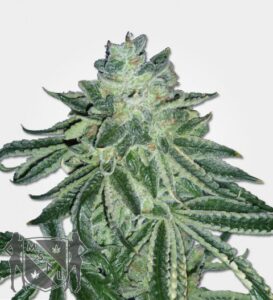
What is the Blue Dream Strain?
Blue Dream is a hybrid cannabis strain created from Blueberry and Haze genetics. It became especially popular in California, where clone-only versions circulated widely before commercial seed releases became common.
Its appeal comes from the balance between both sides of its lineage. Blueberry contributes sweet fruit aromas, while Haze influences plant height, stretch, and a more sativa-like growth pattern.
Is Blue Dream Indica or Sativa?
Blue Dream is generally classified as a sativa-dominant hybrid, making it a natural fit alongside other sativa cannabis strains.
Exact percentages vary between breeders, so it is more useful to focus on how the plant behaves. Sativa-leaning phenotypes tend to grow taller, stretch more, and show narrower leaves, while other plants may stay somewhat more compact.
Blue Dream Strain at a Glance
| Trait | Blue Dream |
| Genetics | Blueberry × Haze |
| Original breeder | Unconfirmed |
| Strain type | Sativa-dominant hybrid |
| THC | Commonly around 20%+ |
| CBD | Usually low |
| Main terpenes | Myrcene, pinene, caryophyllene |
| Flavor | Blueberry, sweet fruit, herbal and pine notes |
| Reported effects | Uplifting, creative, euphoric, relaxing |
| Flowering time | Around 9–10 weeks |
| Height | Medium-tall to tall |
| Yield | Medium-high to high |
| Growing difficulty | Easy to moderate |
| Outdoor harvest | Commonly around October |
Blue Dream Genetics and Origins
Blueberry × Haze Genetics
The accepted lineage is Blueberry × Haze.
Blueberry is associated with sweet fruit aromas and broader growth traits, characteristics also found across many blue cannabis strains.
This combination helps explain why Blue Dream can produce large, well-branched plants with a distinctive berry and herbal aroma.
Who Created Blue Dream?
The original breeder of Blue Dream is not definitively confirmed.
The strain is strongly linked with the Santa Cruz cannabis scene and appears to have circulated originally as a clone rather than as a clearly documented commercial seed line.
Modern Blue Dream seeds may therefore differ between breeders. Some versions are recreations based on Blueberry and Haze genetics rather than direct copies of the original clone.
Blue Dream THC, Terpenes, Flavor and Effects
THC and CBD
Blue Dream is typically a THC-dominant strain, although growers looking specifically for stronger genetics can also explore our high THC cannabis seeds. Depending on the breeder, phenotype, and individual plant, THC levels are commonly reported in the high teens to low 20% range.
For growers, those figures should be treated as a general guide rather than a fixed result. The genetics you start with have the biggest influence, but growing conditions also matter. Light intensity, temperature, nutrition, plant health, and harvest timing can all affect cannabinoid development.
This means one Blue Dream plant may test differently from another, even when both were grown from seeds sold under the same strain name. Published THC figures are therefore best viewed as typical ranges rather than guaranteed potency.
Terpenes, Aroma and Flavor
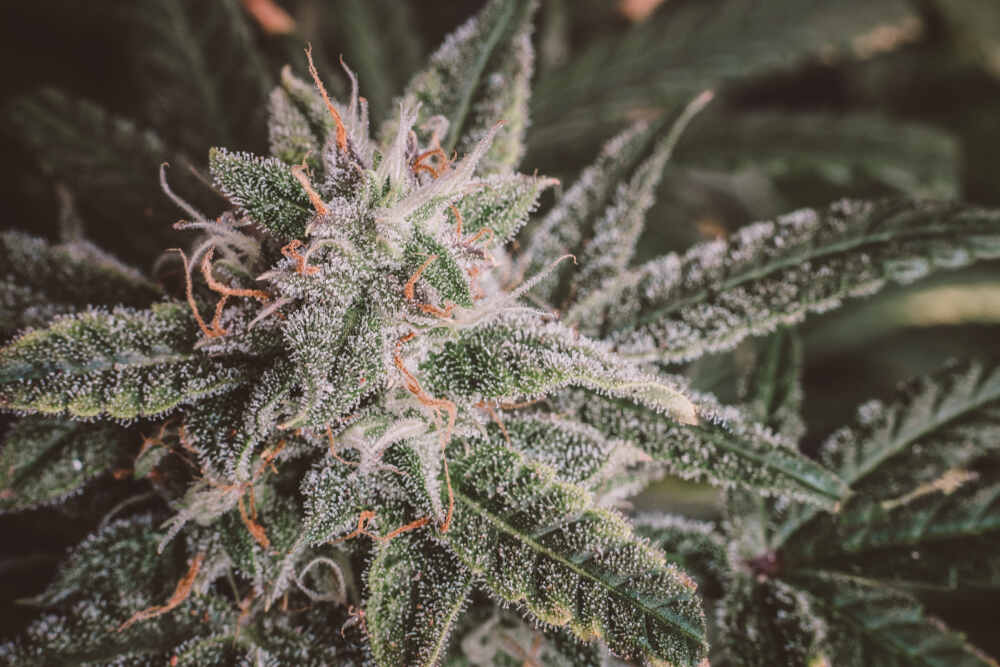
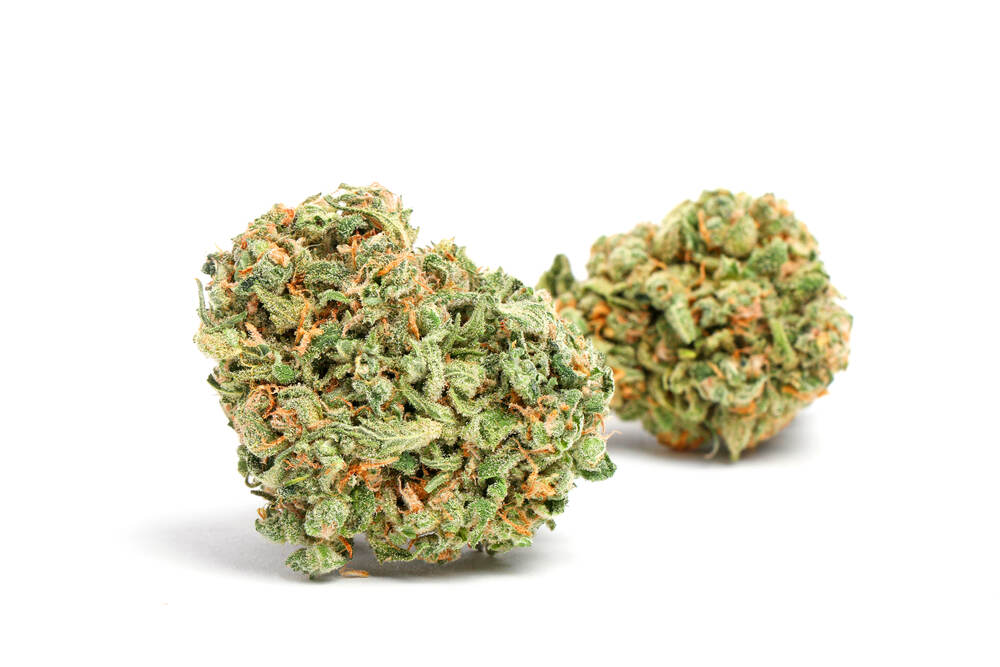
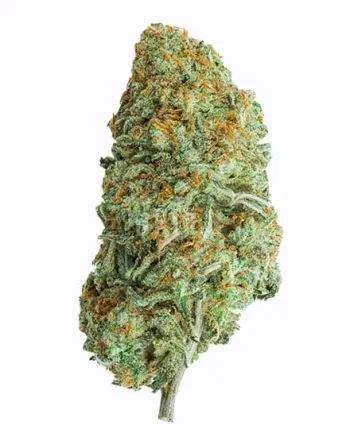
Blue Dream is best known for its sweet berry and blueberry aroma, often supported by herbal, pine, and lightly spicy notes.
Commonly reported terpenes include:
- Myrcene: earthy and herbal
- Pinene: fresh pine
- Caryophyllene: pepper and spice
The final aroma can vary considerably between phenotypes. One plant may lean heavily toward sweet blueberry and fruit, while another may show more pine, citrus, spice, or Haze-like herbal notes.
Growing conditions can also affect terpene expression. Temperature, plant health, harvest timing, and post-harvest handling all play a role. Drying the flowers too quickly or storing them poorly can reduce aroma, while a controlled dry and cure can help preserve the terpene profile.
What Are Blue Dream's Effects?
Blue Dream is commonly associated with uplifting, euphoric, creative, and mentally stimulating effects, often combined with a more relaxed physical feeling.
These effects should be treated as commonly reported experiences rather than guarantees. The experience can vary with THC content, dose, tolerance, and the cannabinoid and terpene profile of the individual flower.
From a grower's perspective, this variation starts with genetics. Different breeders may use different Blueberry and Haze parents, and individual phenotypes can express different levels of potency, aroma, and resin production. Growing environment, harvest timing, drying, and curing can then influence the final flower further.

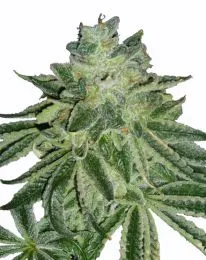
| THC % | Up to 18% |
|---|---|
| Flowering Time | 8-10 Weeks |
| Outdoor harvest | Early October |
| Yield | 500-600gr/m² |
| Indica/Sativa | Sativa Dominant |
| Height | Tall: 180cm-220cm |
| Difficulty | Medium |
| CBD Content | <1% |
| Climate | Sub Tropical, Tropical, Warm |
| Seed Type | Feminized |
| Genetics | Blueberry x Super Silver Haze |
| Effects | Energising, Uplifting |
| Taste | Blueberry, Berry, Sweet |
| Terpene | Myrcene, Caryophyllene, Pinene |
How to Grow Blue Dream
Blue Dream is generally easy to moderate to grow, but it benefits from early training because it can become tall and stretchy. Your main goal is to build an even canopy, maintain airflow, and support the branches as flowers gain weight.
Step 1: Give the Plant Enough Space
Blue Dream grows quickly during the vegetative stage and often develops strong side branches with medium to long internodal spacing.
Give the plant enough room to spread horizontally rather than allowing one main stem to dominate. Indoors, this makes height much easier to control later.
Step 2: Train Early
Blue Dream responds well to several training methods. Topping cannabis plants is particularly useful for reducing apical dominance and encouraging several main branches. I would do most structural training during vegetative growth while the stems are still flexible.
| Training Method | Why It Works |
| Topping | Encourages several main branches |
| LST | Spreads growth horizontally and controls height |
| SCROG | Creates an even canopy and makes good use of space |
| Selective pruning | Removes weak or overcrowded growth |
| Trellising | Supports longer branches during flowering |
Step 3: Control the Flowering Stretch
Blue Dream can stretch noticeably after flowering begins.
During the first few weeks of bloom, continue guiding longer branches outward and keep the canopy level. Once the stretch slows, stop heavy training and allow the plant to focus on flower development.
Step 4: Keep the Canopy Open
Remove weak or heavily shaded growth from the lower and inner parts of the plant. This improves airflow and reduces crowded areas where humidity can build up.
Pay particular attention to dense interior growth, overlapping leaves, and areas that receive very little light.
Step 5: Adjust for Indoor or Outdoor Growing
Blue Dream can perform well in either environment, but the priorities are different.
Indoors, focus on height control, canopy training, airflow, and branch support. SCROG works particularly well where vertical space is limited.
Outdoors, give Blue Dream plenty of direct sunlight, root space, and room between plants. Larger plants may need support as the flowers become heavier.
Step 6: Support the Plant Through Flowering
Blue Dream usually flowers for around 9–10 weeks, depending on the breeder and phenotype.
As the flowers develop, support heavier branches with stakes, plant ties, trellis netting, or a SCROG screen. Adding support early is easier than correcting branches once they begin to bend.
Step 7: Watch for Common Problems
Blue Dream is relatively manageable, but rapid growth can create problems if the canopy becomes too dense.
| Potential Problem | What to Do |
| Excessive stretch | Train early and control canopy height |
| High humidity | Improve ventilation and plant spacing |
| Powdery mildew | Maintain airflow and avoid persistent moisture |
| Spider mites | Inspect leaves regularly, especially underneath |
| Heavy branches | Add support before they begin to bend |
Regular inspections make it easier to catch problems before they spread.
Step 8: Adjust to the Phenotype
Not every Blue Dream plant will grow the same way.
A more Haze-leaning phenotype may grow taller, stretch more, and need earlier training. A more compact phenotype may develop tighter internodal spacing and denser flowers, making airflow and selective pruning more important.
Train according to the plant in front of you rather than following one fixed routine.
Step 9: Harvest by Maturity, Not Just the Calendar
Use the 9–10 week flowering period as a guide rather than a fixed harvest date.
Check flower development and trichome maturity before harvesting, as individual plants may finish slightly earlier or later depending on genetics and growing conditions.
Step 10: Focus on the Main Yield Factors
Blue Dream has good yield potential, but final results depend on genetics, light intensity, root space, plant health, canopy management, and environmental control.
Rather than chasing a published yield figure, focus on developing several healthy, well-lit branches across an even canopy.
Is Blue Dream Easy to Grow?
Blue Dream is generally considered an easy-to-moderate strain to grow, making it suitable for growers who already understand the basics of plant training and environmental control.
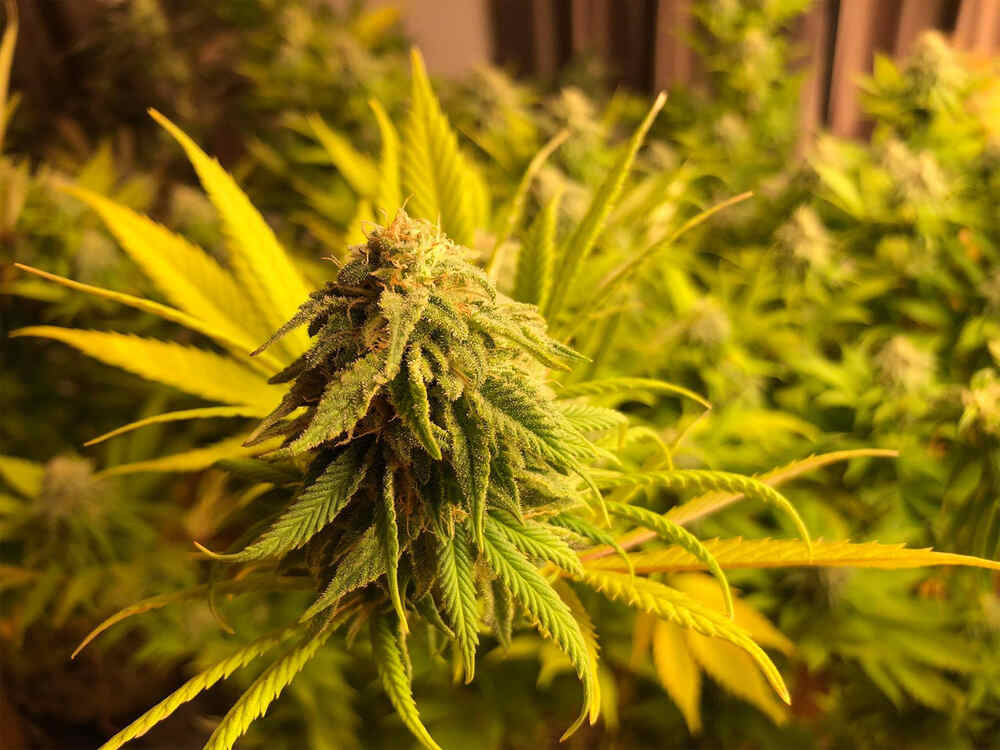
The main challenge is its size. Blue Dream can grow quickly and stretch during early flowering, so indoor growers benefit from topping or training before the canopy becomes too tall. Good airflow and branch support also become more important as the plant fills out and flowers gain weight.
If you control its structure early and maintain a stable environment, Blue Dream is generally a manageable and rewarding strain to grow.
Conclusion
Blue Dream remains a popular strain for growers because it combines relatively straightforward cultivation with strong growth and good yield potential. Its Blueberry and Haze heritage is reflected in its sweet berry character, branching structure, and tendency to stretch during flowering.
For the best results, train Blue Dream early, give its branches enough space and keep air moving through the canopy. Since modern Blue Dream genetics can differ between breeders, use the specifications for your particular seed line as your starting point and adjust your approach to the way each plant develops.
Blue Dream FAQs
Is Blue Dream Indica or Sativa?
Blue Dream is a sativa-dominant hybrid commonly associated with Blueberry and Haze genetics. Individual plants can express different traits, but most Blue Dream lines show the taller growth and flowering stretch associated with their Haze influence.
How Tall Does Blue Dream Grow?
Blue Dream is typically a medium-tall to tall cannabis plant. Indoor height depends heavily on vegetative time and training, while outdoor plants can grow considerably larger when given plenty of sunlight and root space.
Topping, LST, and SCROG can all be used to keep indoor plants shorter and wider.
How Long Does Blue Dream Take to Flower?
Blue Dream generally takes around 9–10 weeks to flower.
The exact finishing time can vary between breeders and individual phenotypes, so use this range as a guide rather than harvesting according to the calendar alone. Check the maturity of the flowers and trichomes before deciding when to harvest.
Is Blue Dream Easy to Grow?
Blue Dream is generally considered easy to moderate to grow. It grows readily and responds well to training, but you need to account for its flowering stretch and potentially large canopy.
Growers with limited vertical space should begin height management during vegetative growth rather than waiting until flowering.
How Much Does Blue Dream Yield?
Blue Dream is known for good to high yield potential, particularly when its branching structure is trained into an even, well-lit canopy.
There is no single yield figure that applies to every Blue Dream plant. Final production depends on the genetics being grown, plant size, root space, lighting, environment, and overall plant health.


