




Kief is the fine, resin-rich powder that collects from cannabis flowers, often gathering in the bottom compartment of a grinder. Made primarily from detached trichomes, it contains concentrated cannabinoids and terpenes, making it a useful material for anyone interested in cannabis resin and concentrates.
There are several ways to use kief, from adding it to dried flower to producing hash, rosin, and other cannabis products. This guide explains what kief is, how much THC it can contain, how to collect it, and the best uses for cannabis kief, with practical advice to help beginners understand its properties and quality.
Key Takeaways
- What kief is: Kief consists mainly of detached cannabis trichomes containing cannabinoids and terpenes.
- THC content: Kief often contains more cannabinoids than dried flower, although potency varies between samples.
- Collection methods: Screened grinders and dry-sifting equipment separate loose trichomes from plant material.
- Best uses: Kief can be incorporated into joints, bowls, edibles, hash, rosin, and moon rocks.
- Storage: Airtight containers kept away from heat, light, and moisture help preserve resin quality.
What Is Kief in Cannabis?
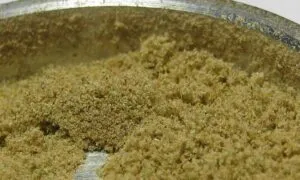
Kief is a fine, resin-rich powder made primarily from the detached glandular trichomes found on cannabis flowers and surrounding sugar leaves. These tiny glands produce and store cannabinoids, including THCA and CBDA, alongside terpenes that contribute to the plant's aroma.
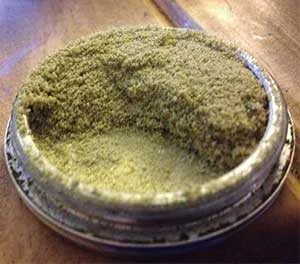
Kief typically has a pale golden, amber, or light brown appearance. A noticeable green tint often indicates the presence of small leaf fragments, although appearance alone cannot confirm purity.
Resin-rich strains such as White Widow are known for their dense coating of trichomes. However, a frosted appearance does not necessarily mean a plant will produce more usable kief or contain higher cannabinoid concentrations.
Grower tip: When examining collected kief under magnification, look for rounded resin gland heads rather than fragments of leaf tissue. This can help you assess the amount of unwanted plant material present.
Learn more about how these resin glands develop in our guide to cannabis trichomes.
How Much THC Does Kief Contain?
Kief often has a higher cannabinoid concentration than dried cannabis flower because separating the trichomes removes much of the surrounding plant material.
There is no standard THC percentage for kief. Potency depends on the original plant's cannabinoid profile, the collection method, and the purity of the collected material.
For example, a 2021 scientific study measured 57.7% THCA in a specially processed dry-sift concentrate, compared with 24.1% in the starting flower. These figures demonstrate how separation can concentrate cannabinoids, but they are not typical values for all kief.
It is also important to distinguish THC from THCA. Much of the cannabinoid content in unheated kief may be THCA, which converts into intoxicating THC when exposed to sufficient heat.
Cannabis grown from high-THC seeds may have greater THC potential, but genetics cannot guarantee the potency of the finished concentrate.
Grower tip: I recommend checking laboratory results for THC, THCA, and total potential THC rather than relying on appearance or advertised strain potency. This provides a more accurate indication of cannabinoid strength.
How to Collect Kief
Kief is collected by separating resin-rich trichomes from dried cannabis flowers. The two most common methods are using a grinder with a kief-catching compartment or passing dried plant material over a fine mesh screen.
Both methods rely on separating trichomes from the surrounding plant material, although the amount and quality collected can vary.
Collecting Kief With a Grinder
A four-piece grinder with a mesh screen and collection compartment is one of the easiest ways to collect small amounts of kief.
Follow these steps:
- Prepare your cannabis: Use properly dried and cured flower. Remove large stems before placing the buds inside the grinder.
- Grind the flower: Place a small amount between the grinding teeth and rotate the lid until the material breaks apart. Avoid overfilling the grinder.
- Allow the kief to collect: As you grind, loose trichomes pass through the mesh screen into the bottom compartment.
- Retrieve the kief: Open the collection compartment and carefully remove the accumulated material with a clean collection tool.
Grower tip: I recommend checking the mesh screen regularly. Resin buildup can block the openings, so gentle cleaning helps maintain the grinder's performance without damaging the screen.
Collecting Kief With Dry Sifting
Dry sifting separates trichomes from dried cannabis using fine mesh screens. Unlike a grinder, this method can process larger amounts of plant material without breaking it into small pieces.
The process involves:
- Preparing the material: Select properly dried cannabis flower or resin-rich trim. Remove large stems and unwanted debris.
- Using a sifting screen: Place the material over a clean, fine mesh screen with a collection surface underneath.
- Separating the trichomes: Gentle movement allows detached resin glands and other small particles to pass through the mesh.
- Collecting the material: Gather the sifted resin from the collection surface, keeping it separate from any remaining plant debris.
Different mesh sizes can separate particles by size, but they cannot guarantee complete purity.
Grower tip: When assessing resin-rich varieties, including white cannabis strains, I look at trichome structure rather than relying on a frosted appearance. Large amounts of loose green plant material in the collected kief can indicate unwanted contamination.
Best Uses for Cannabis Kief
Kief can be combined with cannabis flower, incorporated into edible products, or processed into concentrates such as hash and rosin. Each method has different equipment requirements, so understanding how kief behaves will help you choose a suitable application.
Add Kief to a Bowl
Adding kief to a pipe bowl is commonly called crowning a bowl. A thin layer is placed over ground cannabis flower, which supports the fine particles and helps prevent them from falling through the opening.
This method can increase the overall cannabinoid content, so smaller amounts are easier to manage.
Include Kief in a Joint
Kief can be mixed with ground flower before rolling a joint. Distributing it evenly helps prevent concentrated pockets of resin that may interfere with airflow or cause uneven burning.
I recommend avoiding thick layers of loose powder, which can make the joint more difficult to keep burning consistently.
Use Kief in a Compatible Dry-Herb Device
Some dry-herb devices can accommodate kief alongside flower or with a suitable concentrate accessory.
However, loose particles may pass through screens and enter internal components. Check the manufacturer's instructions before using kief, as not every device supports this material.
Incorporate Kief Into Edibles
Kief can be incorporated into cannabis-infused butter, oil, and other food products.
Before preparing edibles, it is important to understand decarboxylation. This heating process converts THCA into THC, while the final cannabinoid concentration depends on the starting material and preparation conditions.
Adding untreated kief to hot drinks does not guarantee effective decarboxylation. Edible effects can also take considerably longer to appear than inhaled cannabis effects.
Make Hash From Kief
Traditional hash can be produced by compressing collected resin, sometimes with the addition of gentle heat.
This changes the loose material into a more cohesive product, although texture and consistency depend on the processing method.
High-quality dry sift may also be classified as hash without further compression.
Process Kief Into Rosin
Rosin is produced when controlled heat and pressure separate resinous material from cannabis flower or sifted trichomes.
Unlike compressed hash, the finished rosin consists of the material expressed during pressing.
Purpose-built equipment provides greater control over processing conditions and reduces the risks associated with improvised heated tools.
Use Kief in Moon Rocks
Moon rocks are cannabis flowers coated with a sticky cannabis concentrate and an outer layer of kief.
The loose trichomes adhere to the coating, creating a distinctive resin-covered product.
Moon rocks can contain substantially more cannabinoids than ordinary flower, making accurate potency information particularly important.
Kief vs Hash: What's the Difference?
The main difference between kief and hash is how the collected cannabis resin is presented and processed. Kief usually refers to loose, separated trichomes, while hash is a broader category of resin concentrates that includes both pressed and unpressed products.
| Characteristic | Kief | Hash |
| Appearance | Fine, loose particles | Powdery, crumbly, or compact |
| Production | Collected through screening or grinding | Produced through dry sifting, water separation, or further processing |
| Consistency | Usually granular | Can be soft, firm, or brittle |
| Processing | Typically collected without compression | May be pressed, heated, or left uncompressed |
The terms can overlap. For example, high-quality dry sift may be classified as hash even when it remains loose.
Learn more in our guide to the differences between weed and hash.
How to Store Kief Properly
Store kief in a clean, airtight glass container in a cool, dark, and dry location. This helps limit exposure to air, heat, and light, which can contribute to cannabinoid degradation and terpene loss.
Before storage, check for moisture or visible contamination. Avoid leaving the container open unnecessarily, particularly in humid conditions.
Grower tip: I recommend using smaller containers for separate batches. This reduces repeated exposure to air and makes it easier to inspect each batch without disturbing the remaining material. Discard any kief showing signs of mold or unusual dampness.
Conclusion
Kief is a valuable part of cannabis, offering several applications beyond dried flower. From adding it to existing cannabis products to producing hash and rosin, its versatility comes from its concentrated resin content.
For new growers, understanding how to collect kief, assess its quality, and store it correctly is a useful starting point. With suitable equipment and proper handling, you can preserve the characteristics of your collected trichomes while gaining a better understanding of cannabis concentrates.
Frequently Asked Questions
Is Kief the Same as Cannabis Pollen?
No. Kief consists mainly of detached resin glands containing cannabinoids and terpenes. Cannabis pollen contains reproductive cells produced by male flowers and is responsible for fertilizing female plants.
Is Kief the Same as Shake?
No. Shake consists of small pieces of cannabis flower and leaf material that collect at the bottom of a container. Kief is primarily made up of separated trichomes and generally contains a greater concentration of cannabinoids.
Can Kief Contain CBD?
Yes. Kief collected from CBD-rich cannabis can contain cannabidiol (CBD) and its acidic precursor, CBDA. Its cannabinoid profile depends on the original plant rather than the collection method alone.
Why Does Kief Have a Strong Smell?
Kief contains terpenes produced by cannabis glandular trichomes. These aromatic compounds contribute to scents such as pine, citrus, earth, and spice. Their proportions vary between cannabis varieties.
Can Kief Contain Pesticides or Other Contaminants?
Yes. Cannabis resin can contain pesticide residues and other unwanted substances originating from the plant or its environment. Testing by a qualified laboratory can help identify potential contaminants that are not visible to the eye.
References
- Tanney, C. A. S., et al. (2021). Cannabis Glandular Trichomes: A Cellular Metabolite Factory. Frontiers in Plant Science. Explains how cannabis trichomes produce and store cannabinoids and terpenes.
- Wang, M., et al. (2016). Decarboxylation Study of Acidic Cannabinoids. Cannabis and Cannabinoid Research. Examines how heating converts acidic cannabinoids, including THCA, into their neutral forms.
- The Role of Time and Storage Conditions on the Composition of Hashish and Marijuana Samples (2019). Published in Forensic Science International. Investigates how storage temperature, light, and time affect cannabinoid stability.
- Pesticide Analysis in Cannabis Products (2019). Published in Journal of Chromatography A. Reviews methods for identifying pesticide residues in cannabis products.
- Centers for Disease Control and Prevention (2024). Cannabis and Poisoning. Provides information about edible cannabis, delayed effects, and risks associated with uncertain THC potency.


