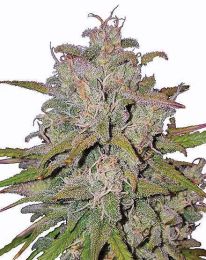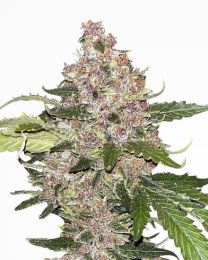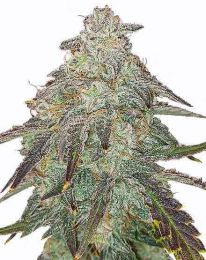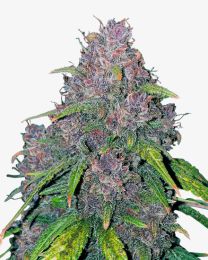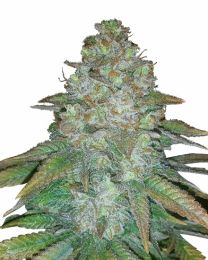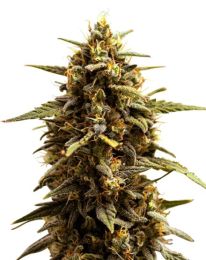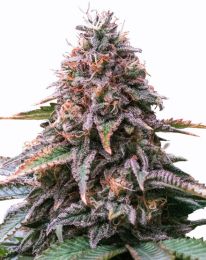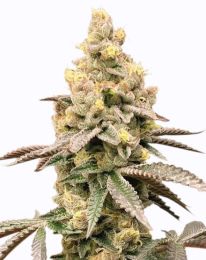




Autoflower Cannabis Seeds
Autoflower cannabis seeds are among the fastest and easiest cannabis varieties to grow, with many strains ready to harvest in as little as 8–10 weeks from seed. They flower automatically without the need to change light schedules, making them ideal for beginners and growers looking for a simple, low-maintenance grow. Their compact size makes them well-suited to smaller grow spaces, while their short seed-to-harvest times can allow for multiple harvests throughout the year. We've been helping growers succeed since 1999 and offer more than 65 autoflower strains, all quality checked and backed by our germination guarantee.
Read MoreWhat Are Autoflower Cannabis Seeds?
Autoflower seeds produce cannabis plants that automatically transition from the vegetative stage into flowering without requiring changes to the light cycle. Unlike photoperiod strains, which require a 12/12 light schedule to trigger flowering, autoflowers begin producing buds automatically once they are 3-4 weeks old.
Autoflower genetics were developed by crossing traditional cannabis strains with Cannabis Ruderalis, a small, fast growing and hardy subspecies known for its ability to flower automatically. Modern autoflower strains have come a long way since their origins and today they are capable of producing impressive yields, high THC levels, and high-quality flowers. If you're specifically looking for potency or production, you may want to explore our high THC autoflower seeds and high yield autoflower seeds collection.
One of the biggest advantages of autoflower seeds is their faster growing time. Many strains can be harvested in as little as 8–10 weeks from seed, allowing growers to enjoy faster harvests and with the extra time saved it's even possible to harvest multiple autoflower cycles in a single growing season.
If you'd like to learn more about the genetics behind autoflowers, read our guide on the origins of ruderalis and autoflower genetics.
Why We Recommend Autoflower Seeds
At MSNL, we've been helping growers since 1999 and have seen autoflower cannabis seeds become one of the most popular seed types among home growers worldwide. Their fast growth, compact size, and ability to flower automatically make them one of the easiest and most convenient types of cannabis to grow.
Because autoflowers don't rely on changes to the light cycle, they remove much of the complexity associated with growing photoperiod strains. Many growers choose autoflowers because they can achieve a harvest in a matter of weeks while taking up less space and requiring less day-to-day management.
Another reason many growers choose autoflowers is that they can be grown under the same light schedule from seed to harvest. While photoperiod strains typically require a switch to 12 hours of light and 12 hours of darkness to trigger flowering, autoflowers can remain under an 18/6 or even 20/4 light cycle throughout their entire life. This simplifies the growing process and allows plants to receive more light during flowering, helping support faster growth and strong yields.
Whether you're growing in a small tent, a greenhouse, or outdoors during a short growing season, autoflower seeds offer a simple and reliable route to harvest.
Are Autoflower Seeds Right for You?
When it comes to deciding whether or not to grow autoflowers there are three main aspects that you want to consider: size, time, and location.
Size: How big is the space where you plan to grow your plants? Autoflowers grow to between 60-120cm tall and will need a couple square feet per plant. If space is particularly limited, our indoor autoflower seeds collection focuses on strains well suited to tents and smaller grow rooms.
Time: How quickly do you want your plants to be finished growing? Autoflowers take 8-10 weeks from seed whereas normal feminised photoperiods take 14-20 weeks to grow. If speed is your main priority, it's also worth exploring our 45-day autoflower seeds, which are a selection of the fastest-finishing autoflower genetics available.
Location: Are you growing indoors or outdoors? If you're growing indoors, autoflowers are often a great choice because their compact size makes them much easier to manage in smaller grow tents. If you're growing outdoors, size is usually less of a concern, but timing becomes much more important.
Unlike photoperiod strains, autoflowers begin flowering automatically around 3–4 weeks from seed regardless of the amount of daylight they receive. This means you need to think about what time of year you're planting them. To make the most of the available sunlight, many outdoor growers aim to have their autoflowers growing through the longest days of summer. In most regions, this means planting slightly later in the year than you would with photoperiod strains.
If you're planning an outdoor grow, our outdoor autoflower seeds collection contains strains selected for outdoor performance and changing weather conditions.
Autoflower seeds are particularly well suited to:
- Beginners looking for an easy first grow.
- Growers working with limited grow space.
- Balcony, patio, tent and discreet outdoor grows.
- Growers looking for the fastest possible harvests.
- Anyone wanting multiple harvests throughout the year.
When Should You Plant Autoflower Seeds Outdoors?
Because autoflowers begin flowering automatically after only a few weeks of growth, timing can play an important role in outdoor success. Most growers aim to plant autoflowers once the risk of frost has passed and daytime temperatures remain consistently above 15°C (60°F).
| Region | Typical Planting Window | Typical Harvest Window |
|---|---|---|
| West Coast | March – July | May – October |
| Southwest | February – June | April – September |
| Midwest | April – July | June – October |
| Northeast | May – July | July – October |
| Southeast | March – August | May – November |
In warmer regions, many growers are able to complete two or even three autoflower harvests per year. In cooler climates, planting later in spring helps ensure plants receive the strongest sunlight during their short vegetative period.
When Autoflower Seeds Might Not Be the Best Choice
While autoflowers offer a lot of advantages, they aren't always the best fit for every grower. If your goal is to maximize yield per plant or keep plants in the vegetative stage for extended periods while you use stress training, feminised photoperiod seeds are the better choice.
Because autoflowers begin flowering automatically, you will have less control over plant size and recovery time. Mistakes made early in the grow can also have a much greater impact because the plant has less time to recover before flowering begins.
Feminised vs Autoflower Seeds
| Feature | Autoflower Seeds | Feminised Seeds |
|---|---|---|
| Female Plant Rate | 99%+ | 99%+ |
| Time From Seed To Harvest | 8–12 Weeks | 14–20+ Weeks |
| Typical Plant Height | 60–120cm | 100–250cm+ |
| Light Schedule Changes Required | No | Yes |
| Typical Light Schedule | 18/6 or 20/4 Throughout Grow | 18/6 Vegetative Stage, 12/12 Flowering Stage |
| Flowering Trigger | Automatically Begins Around 3–4 Weeks From Seed | Triggered By Changing Light Cycle |
| Control Over Plant Size | Limited | High |
| Typical Indoor Yield | 300–600g/m² | 400–800g/m²+ |
| Best For | Speed, Simplicity, Small Spaces | Yield, Plant Control, Training |
Because autoflowers can be grown under the same 18/6 or 20/4 light schedule from seed to harvest, many growers find them easier to manage than photoperiod strains, particularly in smaller indoor setups.
Popular Autoflower Cannabis Strains
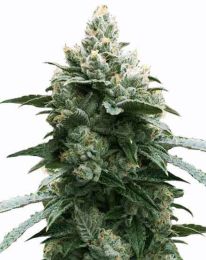
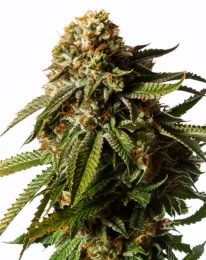
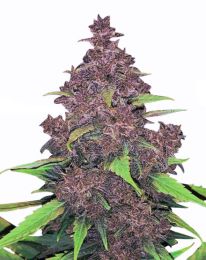
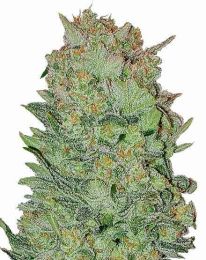
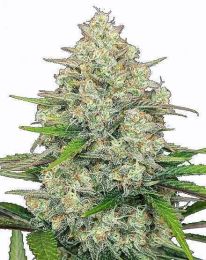
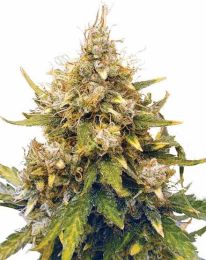
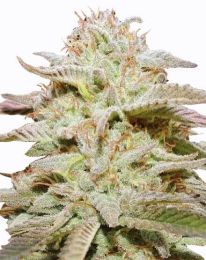
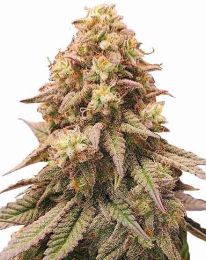
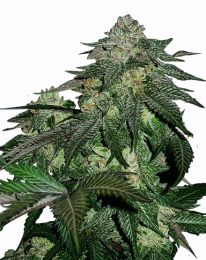
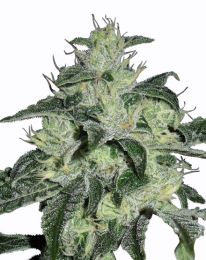
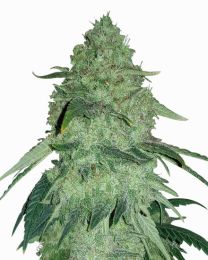
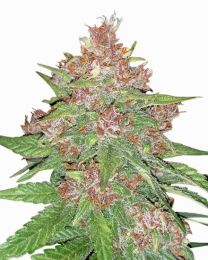
Some of the most popular autoflower strains among our customers include Gorilla Glue Auto, Northern Lights Auto, White Widow Auto, Blue Dream Auto, and Girl Scout Cookies Auto. These strains have remained customer favourites thanks to their fast harvest times, reliable performance, and proven track record among home growers. Growers looking for specific characteristics can also explore our indica autoflower seeds and sativa autoflower seeds collections.
Tips for Growing Autoflower Cannabis Seeds
Autoflower seeds are straightforward to grow, but understanding the key stages of the cannabis life cycle can help you get the best results:
- Nutrients: One of the most common mistakes we see is growers feeding autoflowers using nutrient schedules designed for larger photoperiod plants. Because autos are generally smaller and faster-growing, they usually require less feed. When trying a nutrient line for the first time, we usually recommend starting at around one-third strength and increasing gradually only if the plants show they need more. If you're unsure where to start, our guide on the best autoflower nutrient feeding schedule explains how nutrient requirements change throughout the grow cycle.
- Take extra care during the seedling stage, as overwatering is one of the most common mistakes made by new growers. Our guide on how to germinate autoflower seeds covers the entire process from seed through to early growth.
- Avoid excessive transplanting, as autoflowers generally perform best when stress is kept to a minimum. Choosing the correct container from the start can help avoid unnecessary stress. Our guide on the best sized pot for autoflower seeds explains what works best.
- Focus on maintaining consistent environmental conditions throughout the grow. Temperature, humidity, and lighting all play an important role in plant health, especially during the early stages of growth. If you'd like to learn more, our guides on the best temperature and humidity for growing cannabis and the best light schedule for autoflowers provide practical recommendations.
- Choose strains that match your available space and desired harvest times.
One thing we've noticed after helping growers for more than 25 years is that many people overcomplicate autoflower cultivation. In our experience, the best results usually come from keeping things simple, minimizing plant stress, and maintaining steady growth from seed through to harvest. If you'd like to learn more, our growing guides cover every stage of the process, from how to grow autoflowers week by week through to knowing when your autoflower is ready to harvest. We also cover advanced techniques such as low stress training and topping autoflowers, to maximize their yield.