




Candy Damage Autoflower Seeds
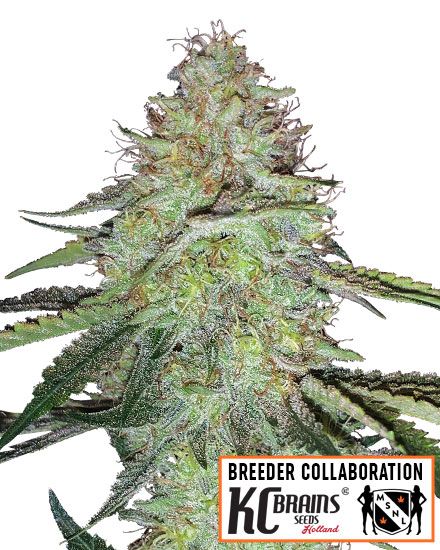
When we set out to create Candy Damage Autoflower, we wanted to take one of our most popular originals in a completely new direction. White LSD Auto had already earned a loyal following thanks to its reliable growth and impressive resin production, but we believed it could become something entirely different with the right breeding partner.
That's why we teamed up with KC Brains, the renowned Dutch breeder behind the original Mango strain. By combining our White LSD Auto with KC's Mango genetics and working closely together throughout the breeding and testing process, we developed an exclusive MSNL collaboration that delivers the tropical flavor profile and relaxing indica influence we originally set out to achieve.
- Exclusive collaboration between MSNL and KC Brains
- Created by combining White LSD Auto with the original Mango genetics
- Up to 24% THC
- Fast flowering in approximately 6–8 weeks
- Can produce 400–500g/m² indoors under suitable conditions
- Easy-growing autoflower suitable for most experience levels
- Rich tropical mango flavor with sweet fruit notes
- Responds exceptionally well to low-stress training (LST)

-

-

-

| THC % | Up to 24% |
|---|---|
| Flowering Time | 6–8 Weeks |
| Yield | 400–500 g/m² |
| Height | Medium: 100–180 cm |
| CBD Content | Less than 1% |
| Seed Type | Autoflower Feminized |
| Genetics | White LSD Auto x Mango |
STRAIN TRAITS
Growing Candy Damage Autoflower
Candy Damage Autoflower combines the dependable structure of White LSD Auto with the tropical influence of Mango, producing a medium-sized autoflower that's straightforward to manage while still rewarding growers with generous harvests.
Plants typically reach between 90 and 130cm, making them well suited to most indoor grow spaces while remaining large enough to develop an impressive canopy. If you're growing outdoors, this strain performs particularly well in temperate and Mediterranean climates where it can enjoy consistent light and warm conditions throughout its life cycle.
One thing we've noticed during testing is how well Candy Damage Autoflower responds to low-stress training. Gently pulling branches away from the center of the plant allows more light to reach developing bud sites while helping make the most of its naturally bushy structure. Because autoflowers have a relatively short vegetative period, LST offers many of the benefits of training without slowing the plant's progress.
As flowering develops, don't be surprised if the canopy fills out more than you expect. Maintaining good airflow through the center of the plant will help light penetrate deeper into the canopy and create more consistent flower development.
Yield Potential
Under suitable indoor conditions, Candy Damage Autoflower can produce approximately 400–500g/m², offering an excellent balance between speed, ease of cultivation, and productivity.
Its naturally bushy growth means canopy management has a noticeable impact on final yields. We've found that opening the plant early with gentle LST allows more flowering sites to receive direct light, helping lower branches contribute far more than they would if left to grow naturally.
Good environmental control also helps maximize production. Maintaining steady temperatures, strong light intensity, and consistent watering throughout the flowering cycle allows the plant to focus its energy on building dense, resin-rich flowers.
Potency & Effects
Candy Damage Autoflower produces THC levels of up to 24%, delivering a powerful but well-balanced experience that reflects both sides of its lineage.
Although the plant carries around 30% sativa genetics, its effects lean firmly toward the relaxing side thanks to its 70% indica influence. Expect a deeply calming high that still retains enough mental clarity to remain enjoyable without immediately becoming overly sedating.
That balance was one of the breeding goals from the beginning. We wanted to preserve the resin production and vigor of White LSD Auto while introducing the mellow character that Mango is known for, creating a strain that's ideal for slowing down without feeling completely couch-locked.
Aroma, Flavor & Terpenes
Flavor was the driving force behind this collaborative breeding project, and it's immediately noticeable once the flowers begin to cure.
Expect an intensely fruity aroma dominated by ripe mango with layers of tropical sweetness that carry through into the finished smoke. Underneath the fruit-forward profile, subtle earthy and lightly spicy notes provide extra depth without overpowering the sweeter characteristics.
Its terpene profile combines myrcene, limonene, and beta-caryophyllene. Together, these terpenes help create the rich tropical aroma while complementing the relaxing effects that define the strain.
Taking the time to dry and cure the flowers properly will reward you with a noticeably fuller flavor profile. Allowing the buds to cure slowly helps preserve the sweeter fruit aromas while giving the more subtle terpene notes time to develop.
Who Is Candy Damage Autoflower Best Suited To?
Candy Damage Autoflower is an excellent choice for growers looking for something genuinely different from the usual autoflower lineup.
It may be particularly well suited if you:
