




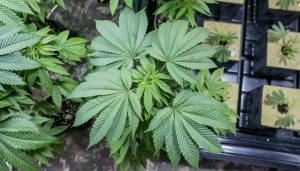
If you are new to the wonderful world of cannabis cultivation, you might be wondering what the differences between the vegetative and flowering growth stages are. In fact, you might not even be initiated to the idea of the different growth stages whatsoever. Don't stress, no one learned how to grow banging buds overnight, and if you are looking to increase your knowledge base then you have landed in the right place.
So, what exactly is the vegetative growth stage? How long does it last? What are the most important factors to consider when your crop is vegging? Can the process be sped up?
Hang around as we take a good old look at everything there is to know about the vegetative growth stage for cannabis.
What Is The Veg Stage?
The vegetative stage of cannabis growth is, quite simply, when your plants are growing and not yet flowering. But let's not get ahead of ourselves. Before we discuss what the veg stage is exactly, and why it is so important, let's look at the entire lifecycle of a ganga plant.
The Lifecycle Of A Cannabis Plant
Cannabis plants have five distinct stages in their lives. These are:
- The germination stage
- The seedling stage
- The vegetative stage
- The flowering stage
- The harvest stage
Let's break each of these down a little so we can understand the process a bit better.
- The Germination Stage: This is when your seeds have been placed in soil (or another growing medium) and have begun to sprout. While it is fine to place seeds directly into soil, we suggest instead dropping them into a glass of distilled water that has been pH regulated to 6.5 for 12 hours.
This will speed up the germination process. If, after 12 hours, you can see the tap root then place them directly into the growing medium. If not, place them in an envelope of moist paper towels and keep an eye out for the tap root to say hi.
- The Seedling Stage: This is when your little cannabis plant first breaks ground. At this stage, your plant will be very delicate and will need a lot of TLC. Cannabis plants are considered to be seedlings until they have their first set of true leaves. The first leaves to emerge are two rounded cotyledon leaves, and not the classic, spikey weed leaves that most first-time growers are expecting.
- The Vegetative Stage: This is the stage we are discussing today, and is when your plant will be growing and developing its main structure. It is during the vegetative stage that plants grow their size, with very little structure development happening after the 2nd week of flower growth is initiated. The vegetative stage usually lasts between 4-8 weeks, but as cultivators, we do have some control over the timing (depending on the style of cultivation).
- The Flowering Stage: This is when your plant will, well, flower. The sex of the plant will be determined during this stage (if you are growing from seed), and flowers will begin to grow at the nodes where the leaves and branches connect.
- The Harvesting stage: This is the point when you have decided that the crop is ready to come down, and begin the drying and curing process.
Why Is The Veg Stage Important?
While there are 5 stages to the lifecycle of a weed plant, the two main stages are veg and flower. The vegetative stage of growth is when your plant will be growing the majority of its size and structure and is therefore a critical stage in the development of your crop.
For a cannabis plant to reach its genetic potential in terms of potency and yield size, first a great foundation must be laid. If you want to grow a crop to be proud of, the first thing to do is forget about the buds (to begin with, anyway). A common mistake for new growers is to overlook the vegetative growth stage, and just care about flower development.
Simply put, the vegetative growth stage is just as (if not more so) important as the flowering growth period, and you will want to put as much effort and care in as possible during this stage. Doing so will go a long way in guaranteeing your final results will be the stuff dreams are made of.
When Does The Vegetative Stage Start?
So we mentioned the two rounded cotyledon leaves that kick things off. These kick off energy production and allow for initial root development. Once the roots hit a certain point (usually 2 or 3 days after the plant first emerges from the substrate), the first set of true leaves start to grow. At this point, you can say that the vegetative growth stage has begun.
When Does The Veg Stage Start For Autoflowers?
Autoflowering strains have an inbuilt genetic timer that decides when flowering growth will begin, but up until that point they develop in the same way (or maybe slightly quicker, depending on the strain) as their photoperiod cousins.
How Long Do Weed Plants Stay In The Vegetative Stage?
Now, this is where things get a little spicy. There's no one correct answer, but there are a couple of common scenarios that play out for the majority of photoperiod cannabis cultivators. If you grow autos then this doesn't really apply, but I have added a section just below that will lay everything out for you guys.
Vegetative Stage Length Outdoors
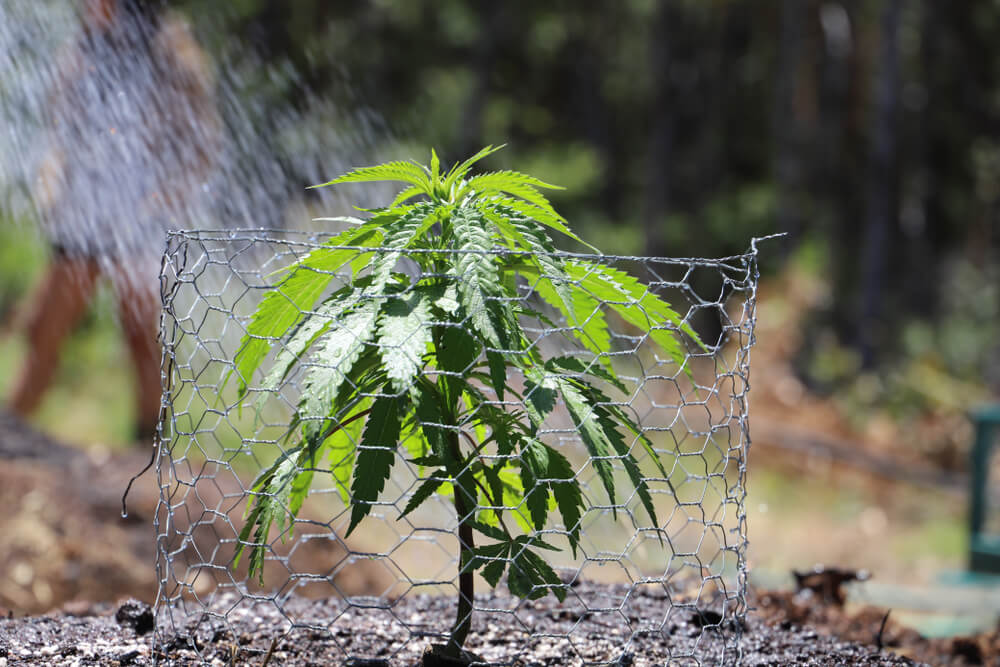
For outdoor gardeners, the timing for the switch between growth stages is dictated by nature. The days start to get shorter as summer turns into fall, and this signals to the cannabis plant that it's time to begin flowering. Once the hours of sunlight drop below 12 per day, photoperiod plants will switch from veg to flower.
Outdoor growers can opt to add some additional light hours if they want to keep their crop in the veg stage for a few extra weeks. By adding some artificial light, you can trick the crop into staying in veg and growing a little larger before its time to get those buds going.
Vegetative Stage Length Indoors
Indoor growers have full control over the length that plants will veg for. Different strains will react better (or worse) to different amounts of veg growth, and most reputable seed banks will offer timing advice in the seed info sheet.
As long as the lighting schedule is kept at 18/6, the crop will stay in veg forever. This means that you could fill a large grow tent with one single plant, but this will take a good few months of vegging. Most growers opt to veg their indoor crop for 4-8 weeks, which seems to strike the perfect balance between plant size and efficiency.
If you are looking to create a 'Mother' plant (a clone-bearing plant), then you will want to keep her in the vegetative stage at all times. This allows cuttings to be taken, which can then be turned into clone plants and allowed to flower. This skips the germination and seedling stage, and speeds the whole process up by a few weeks.
Vegetative Stage Length For Autos
Autoflowering plants are a whole different beast. Most strains take only take between 9 to 12 weeks to go all the way from seed to harvest, meaning the vegging time is a fair bit shorter. In general, most autos will stay in the vegetative growth stage for around 3 to 4 weeks.
Autos will then switch to flowering development, no matter what happens with the lighting schedule. Most auto growers tend to leave the lights on for either 20/4 or 18/6 for the entire run. This makes setting up an indoor perpetual harvest routine super easy, as plants that are in both veg and flower can grow in the same space, under the same light routine.
How To Speed Up The Veg Stage Of Growth?
The main reason growers want to speed up the vegetative growth stage is to reduce the overall time that their plants spend in the grow room. The quicker they can get from seed to harvest, the quicker you will get your hands on the delicious buds. But, the smaller the overall plants are, the smaller the yield. If you want to keep veg growth to a minimum, it's best to plant a few extra seeds to make up for the diminished yield.
You might also want to consider this if you are growing in a very small space. By keeping your plants small during vegetative growth, you can make sure that they don't outgrow their allotted space. This is a great way to get the most out of your grow room, and it also means that you won't have to spend as much time on plant training.
Indoor growers can also increase the number of hours of light that the crop is receiving each day. This is a hotly debated issue, but by keeping the lights on for 24 hours a day, you can make sure that your plants are getting all the light that they need to grow as fast as possible. Many growers believe that the plants need some downtime each day, but there have been promising results from keeping the lights on for 24 hours. We don't do it, but we can't recommend against it.
Key Rules To Follow During The Vegetative Phase
What Is The Best Light Cycle For The Veg Stage?
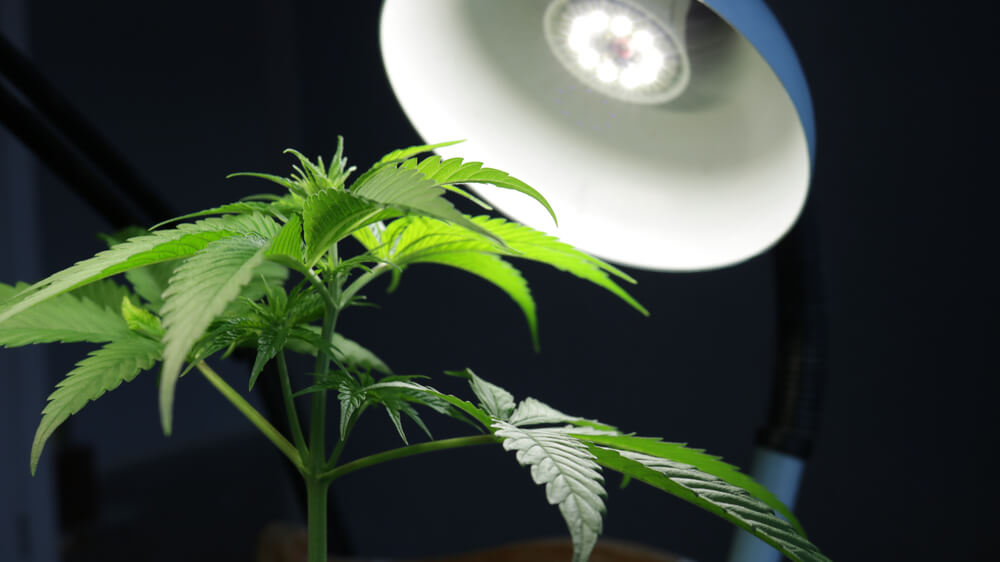
For photoperiod strains, the most commonly used light schedule for vegetative plants is 18/6.
Autos have more resistance to light stress, so they can be kept under whatever lighting schedule suits you best. Some growers like to keep their auto crops under full 24 hours light, while others choose 22/2, 20/4, or 18/6. We have experimented with all 4 options with our auto grows and found that 20/4 and 18/6 seem to work best.
What Is The Best Temperature and Humidity Range For The Veg Stage?
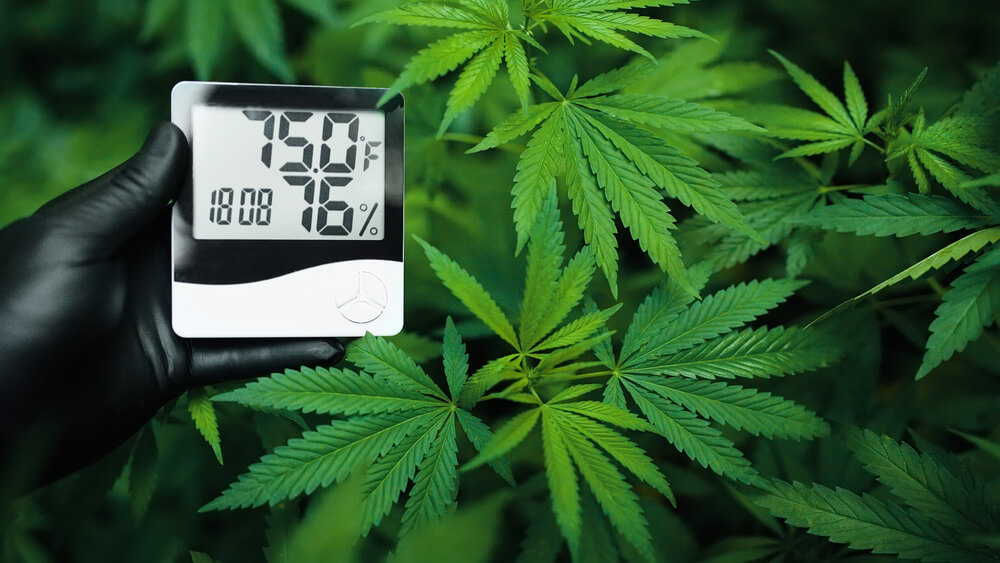
The ideal temperature for vegetative growth is between 71 and 77 degrees Fahrenheit (that's
22 - 25 degrees Celsius). The ideal humidity for vegetative growth is between 50 and 60%. We usually try to keep our veg tent at around 55% RH with a temp of 76F when the lights are on, and 73F during the lights-out period.
What Are The Best Nutrients For The Vegetative Stage?
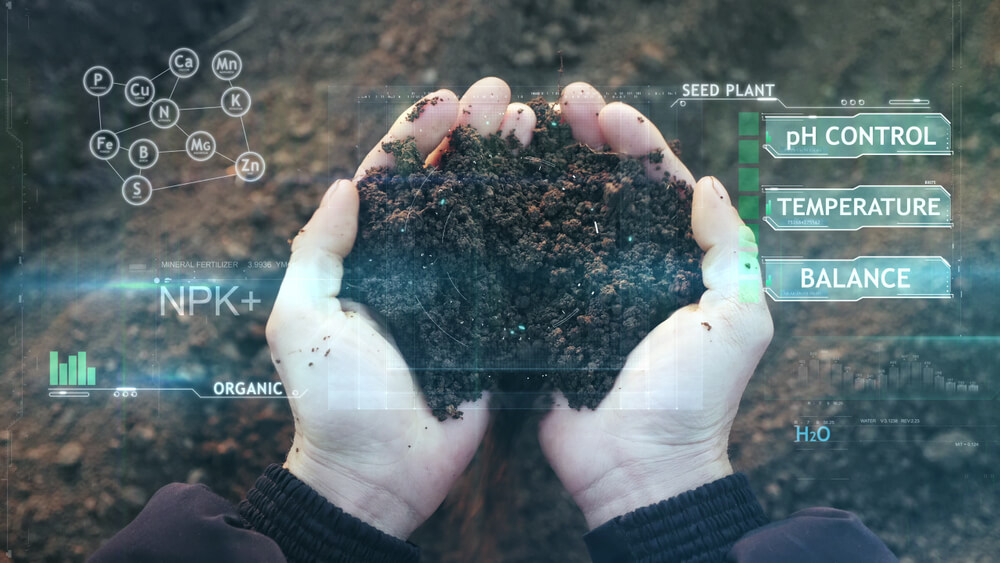
The three main nutrients that are most important for cannabis are nitrogen, phosphorus and potassium usually abbreviated as NPK. The best nutrients for vegetative growth are high in nitrogen and low in phosphorus. This is because, during the vegetative stage, plants are mostly focused on growing leaves and stems, rather than flowers and buds.
The exact nutrients you choose will be dependent on the medium you are growing in, but you should always use veg or growth-specific nutrients during this growth stage. We tend to stick with stuff from Canna, House and Garden, Fox Farms, and Cyco but there's a ridiculous range to choose from these days.
When To Start Training During The Veg Stage?
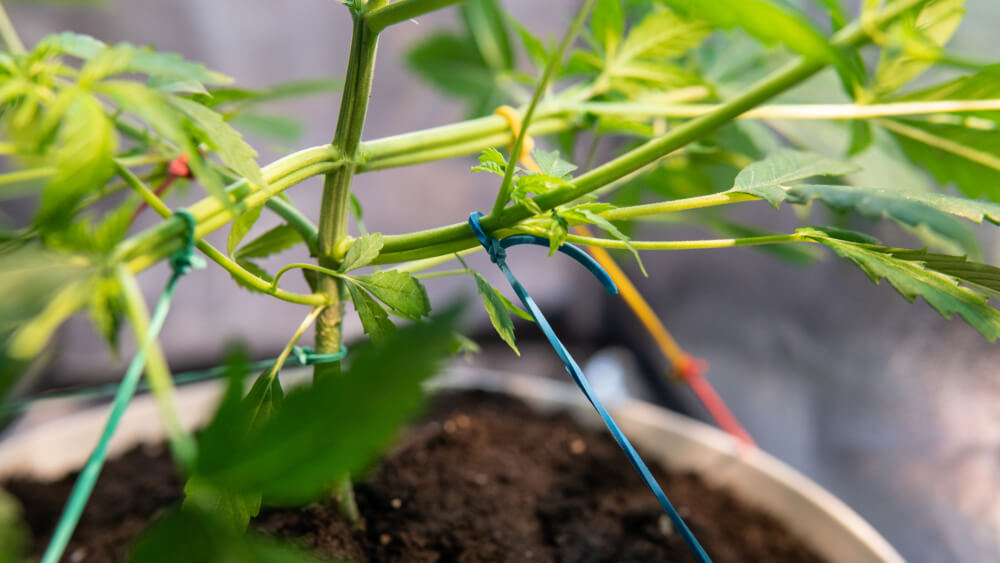
LST Plant training can begin as soon as your plants have 2 or 3 sets of leaves, but you might want to wait a few weeks more if you are looking to top or fim your crop. Only use these more aggressive, HST techniques on hardy photoperiod strains, as autos do not have enough veg time to bounce back from such stressful endeavors.
When Should You Start Flowering Indoors?
Again, that is really up to you. In general, the absolute minimum you want to veg photoperiod strains for is about 3 weeks, but after that the decision is totally in your hands. There can be external factors that may sway this decision though...
Say you live in a state or country where indoor cannabis cultivation is legal, but with some clear restrictions. Maybe you are only allowed to grow 3 plants, but you want to harvest as much weed as possible. In this case, you would probably want to veg your 3 girls for a good, long while. Maybe 8 weeks, or maybe even longer depending on the strain and growth rate.
But if you live somewhere that allows more plants at one time in indoor set ups (or if you just dont care for following the regulations) then you can grow double the amount of plants in the same area and halve the vegging period while still being able to yield a similar amount of bud.
Conclusion
Vegetative growth is essential to a weed crop's development. Keep them happy during the growth period and you set yourself up for the best chance at a successful harvest. If you keep things simple, don't over feed or water the crop, and check you crop out for any nutrient or viral issues each day then you should make it through to the flowering stage with no issues at all.
Happy gardening my green thumbed friends!


