




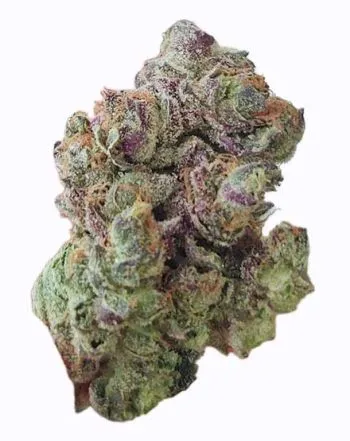
GMO Cookies is an indica-dominant cannabis strain known for high THC potential, heavy resin production, and a pungent mix of garlic, diesel, earth, and spice. Also called GMO or Garlic Cookies, the strain comes from Chem D and Girl Scout Cookies genetics and has developed a reputation for being very different from the sweeter strains usually associated with the Cookies family.
For growers, the GMO Cookies strain offers good yield potential and a manageable flowering time, but it is not completely hands-off. Some plants stretch heavily after flowering begins, the aroma can become difficult to contain, and seed-grown phenotypes can vary in height, structure, and finishing time.
In this GMO Cookies strain review, I will cover its genetics, THC levels, terpenes, flavor, reported effects, flowering time, yield, and the practical points you need to know before growing GMO Cookies indoors or outdoors.
Key Takeaways
- GMO Cookies is an indica-dominant hybrid created from Chem D and Girl Scout Cookies genetics, combining Chem-style fuel and earth with the sweeter, spicier side of the Cookies family.
- GMO does not reliably mean “Garlic, Mushroom, Onion.” That explanation became popular because of the strain's savory aroma, but historical accounts more commonly connect the name to “genetically modified organism.”
- THC can vary considerably between plants and batches. The seed line covered here is listed at up to 24% THC, while other laboratory-tested GMO Cookies flower has recorded different results.
- GMO Cookies usually flowers in around 8–10 weeks, with plants typically reaching 100–180 cm, although flowering stretch and final height can vary between phenotypes.
- The main growing considerations are stretch, odor, and airflow. Early canopy training, sensible humidity control, and adequate odor management make GMO Cookies much easier to handle indoors.

What is the GMO Cookies Strain?
GMO Cookies, also called GMO or Garlic Cookies, is an indica-dominant hybrid from the Chem and Cookies family.
It is usually associated with strong THC production, heavy resin coverage, and a savory aroma that makes it stand apart from sweeter Cookies strains. The effects are commonly described as relaxing, euphoric, and heavy, although this varies with dose, tolerance, and the individual plant.
If you prefer strains with a stronger indica influence, the indica cannabis strains category gives you a wider range of similar options.
What Does GMO Stand for in GMO Cookies?
You will often see GMO explained as Garlic, Mushroom, Onion. It fits the smell, but it is probably not the original meaning.
The better-supported history links GMO to “genetically modified organism.” The Garlic, Mushroom, Onion explanation appears to have become popular later because the strain often smells strongly of garlic, earth, and other savory notes.
That does not make the nickname useless. It describes the aroma well. It just should not be presented as the confirmed origin of the name.
GMO Cookies at a Glance
| Trait | GMO Cookies |
| Genetics | Chem D × Girl Scout Cookies |
| Type | Indica-dominant hybrid |
| THC | Up to 24% in the MSNL line |
| CBD | Below 1% |
| Main Terpenes | Limonene, myrcene, beta-caryophyllene |
| Flavor | Garlic, earth, diesel, spice |
| Effects | Relaxing, euphoric, sleepy |
| Flowering Time | 8–10 weeks |
| Height | 100–180 cm |
| Indoor Yield | 500–600 g/m² |
| Difficulty | Medium |
| Outdoor Harvest | October |
These figures apply to the seed line discussed here. Other GMO Cookies versions may grow or test differently.
| THC % | Up to 24% |
|---|---|
| Flowering Time | 8–10 Weeks |
| Outdoor harvest | April |
| Yield | 500–600 g/m² |
| Indica/Sativa | Indica Dominant |
| Height | Medium: 100–180 cm |
| Difficulty | Medium |
| CBD Content | Less than 1% |
| Climate | Warm |
| Seed Type | Feminized |
| Genetics | Chemdawg x Girl Scout Cookies |
| Effects | Calming, Relaxing, Uplifting |
| Taste | Sweet, Earthy, Diesel |
| Terpene | Beta-Caryophyllene, Limonene, Myrcene |
Where Did GMO Cookies Come From?
GMO Cookies started with a Chem Cookies cross made from Chem D and Forum Cut Girl Scout Cookies. The seed line is associated with Mamiko Seeds, while the famous GMO phenotype was later selected by Skunkmasterflex.
That distinction matters.
A breeder creates a seed population. A grower or breeder can then search through those seeds and select one plant with the combination of traits they want. That selected plant can be preserved through cloning.
Modern GMO Cookies seeds can share the same family characteristics without being exact copies of the original clone.
GMO Cookies Genetics and Parent Strains
The parentage is generally given as:
Chem D × Girl Scout Cookies
The Chem side contributes much of the fuel, earth, and chemical character associated with the strain. The Cookies side adds another layer of sweetness, spice, and resin production.
You can read more about the Cookies parent in the Girl Scout Cookies strain guide.
The other side of the family sits close to Chemdawg genetics, although you should not expect every GMO plant to express its parents in exactly the same way.
How Strong is GMO Cookies?
GMO Cookies has a reputation for high potency, but there is no single THC percentage that applies to every plant.
The MSNL version is listed at up to 24% THC with less than 1% CBD. Other laboratory-tested GMO Cookies flower has reached higher figures, which shows how much cultivation, phenotype, harvest timing, and testing method can affect the result.
For that reason, I would treat THC figures as a guide rather than a guarantee.
Growers looking specifically for stronger varieties can also compare it with the wider high THC seeds range.
THC, CBD and Reported Effects
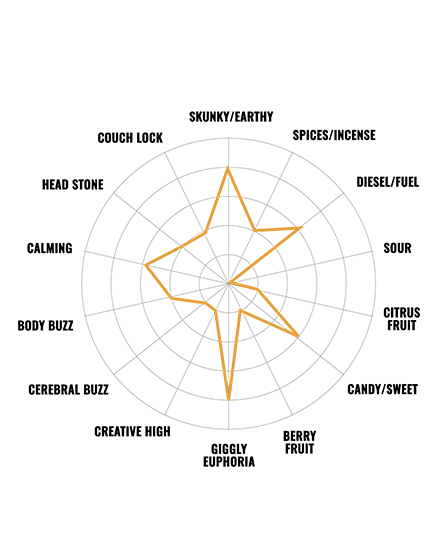
GMO Cookies is commonly reported as starting with a noticeable cerebral lift before developing into stronger physical relaxation.
Typical reports include:
- Relaxation
- Euphoria
- Sleepiness
- A heavier body sensation at higher amounts
That does not mean everyone will experience the same thing. Your tolerance, dose, consumption method, and individual response can change the experience considerably.
What Does GMO Cookies Smell and Taste Like?
This is where GMO Cookies earns its reputation.
The aroma can include:
- Garlic
- Diesel
- Damp earth
- Pepper
- Chemical or fuel notes
- Mild sweetness in the background
The taste usually follows the smell, with earthy and fuel-heavy flavors arriving first and spice or garlic lingering afterward.
It is a strong profile rather than an easygoing one. If you prefer fruity or candy-like strains, GMO may feel harsh or unusual. If you enjoy Chem-style fuel and savory terpene profiles, that same quality is likely to be the main attraction.
What Terpenes Are Found in GMO Cookies?
The terpenes most often associated with GMO Cookies include limonene, myrcene, and beta-caryophyllene.
They contribute different parts of the aroma:
- Limonene adds citrus-like notes.
- Myrcene brings earthy and herbal aromas.
- Beta-caryophyllene adds pepper and spice.
The balance can shift between plants and batches, so I would not describe one terpene as dominant in every GMO Cookies plant.
If you want a clearer explanation of how these compounds shape cannabis aroma, the guide to terpenes in weed covers them in more detail.
How to Grow GMO Cookies
GMO Cookies sits around medium difficulty. It is not especially temperamental, but the plant becomes easier to manage if you plan for stretch, airflow, and odor before flowering begins.
The MSNL line typically reaches around 100–180 cm and flowers in 8–10 weeks.
If you prefer more predictable seed production and do not want to remove male plants, feminized cannabis seeds may also be worth comparing.
Step 1 – Give GMO Cookies Enough Space to Stretch
Do not assume the plant will stay squat just because it is indica dominant.
Some GMO phenotypes stretch noticeably once flowering starts. Indoors, I would keep this in mind before allowing a long vegetative period.
Factor in the height of your pots, lights, and safe lamp distance before deciding when to switch to flowering.
Step 2 – Shape the Canopy Before Flowering
GMO Cookies responds well to early training.
Low-stress training can pull taller branches outward, while topping can create several main growth points. A SCROG setup is also useful when you want to spread the canopy across the available space.
The aim is not simply to chase a bigger yield. Good training helps keep the canopy even and makes better use of your light.
Step 3 – Control Humidity and Airflow
As flowering progresses, keep air moving through the canopy.
Dense flowers and crowded branches can trap moisture, particularly later in bloom. Remove dead material, avoid packing plants together too tightly, and monitor humidity around the flowers rather than relying only on the reading above the canopy.
Step 4 – Prepare for a Strong Flowering Aroma
GMO Cookies can smell extremely strong.
Indoors, I would have a carbon filter and extraction system working before mid-flower. Garlic, fuel, earth, and chemical notes can become obvious well before harvest.
This is one of the strain's main drawbacks if discretion matters.
Step 5 – Judge Harvest by Plant Maturity
The typical flowering time is around 8–10 weeks indoors, while outdoor plants usually finish around October.
Use those figures as a guide.
I would still check flower development and trichome maturity before harvesting. Seed-grown plants can finish at different speeds, even when they come from the same pack.
Our cannabis flowering stage guide explains what to look for as plants move toward harvest.
GMO Cookies Yield and Phenotype Variation
Indoor yields can reach around 500–600 g/m² under good conditions, but results depend heavily on light, root space, environment, training, and phenotype.
Some plants may stretch harder. Others may finish more compact. Aroma, resin production, branch spacing, and flowering time can also differ.
That variation is normal when growing cannabis from seed.
Conclusion
GMO Cookies stands out because it brings the fuel-heavy character of Chem genetics together with the sweeter, resin-rich side of the Cookies family. The result is a pungent indica-dominant hybrid with garlic, diesel, earth, and spice at the center of its flavor profile.
From a growing point of view, it is manageable rather than effortless. You need to account for flowering stretch, strong odor, and some variation between seed-grown plants. Keep the canopy open, control humidity, and judge harvest by plant maturity rather than the calendar alone.
For growers who enjoy powerful aromas, strong THC potential, and Chem-style genetics, GMO Cookies has plenty to offer. Just expect a plant with some personality rather than one that behaves exactly the same every time.
Frequently Asked Questions
Is GMO Cookies an indica or sativa?
GMO Cookies is an indica-dominant hybrid. The line discussed here is generally classified as around 90% indica and 10% sativa, although those percentages are breeder classifications rather than laboratory measurements. Despite its indica dominance, some plants can stretch considerably during early flowering, so do not assume it will automatically stay short and compact.
What does GMO stand for in GMO Cookies?
GMO is often said to stand for “Garlic, Mushroom, Onion,” but that is not considered the original meaning of the name. Historical accounts more commonly link GMO to “genetically modified organism.” The Garlic, Mushroom, Onion interpretation likely became popular later because it fits the strain's strong savory and garlic-like aroma.
How tall does GMO Cookies grow?
GMO Cookies typically reaches around 100–180 cm in the seed line covered here. Final height depends on phenotype, vegetative time, container size, lighting, and training. Some plants stretch more than others after flowering begins, so indoor growers should leave enough vertical space or use early canopy training.
How long does GMO Cookies take to flower?
GMO Cookies generally takes around 8–10 weeks of flowering indoors. Outdoor plants are usually ready around October, although climate and phenotype can shift the exact timing. I would use these figures as a guide and check flower development and trichome maturity before deciding when to harvest.
How much does GMO Cookies yield?
Indoor GMO Cookies plants can produce around 500–600 g/m² under good conditions. This is a potential yield rather than a guarantee. Light intensity, root space, plant health, training, environmental control, and phenotype all influence the final harvest, so two plants from the same seed line can finish with different results.


