




The Girl Scout Cookies Cannabis Strain, better known as GSC, is an indica-dominant hybrid that became one of the defining strains of California’s Cookies family. Known for dense, resin-covered flowers, high THC potential, and a sweet, earthy flavor with notes of spice, citrus, and mint, GSC has influenced countless modern cannabis crosses.
For growers, Girl Scout Cookies offers a manageable medium height, an 8–10 week flowering period, and a branching structure that responds well to training. It is not completely hands-off, though. Dense growth can restrict airflow, and different GSC phenotypes may vary in stretch, aroma, potency, and flowering behavior.
In this Girl Scout Cookies strain review, I’ll cover its genetics, THC and terpene profile, flavor, commonly reported effects, and what you can expect when growing it indoors or outdoors.
Key Takeaways
- Girl Scout Cookies is an indica-dominant hybrid commonly associated with OG Kush and Durban-derived genetics, although accounts differ on the exact Durban parent.
- GSC can reach around 24% THC, but potency varies between phenotypes and growing conditions, so published figures should be treated as potential.
- The flavor is typically sweet, earthy, and spicy, with some plants also producing citrus, mint, dough, and light fuel notes.
- Plants usually reach around 100–180 cm and flower in 8–10 weeks, making GSC manageable in many indoor setups with suitable training.
- Canopy management is one of the main growing considerations. Early LST, topping, or SCROG can help control branching, while good airflow becomes increasingly important as dense flowers develop.
What is the Girl Scout Cookies Cannabis Strain?
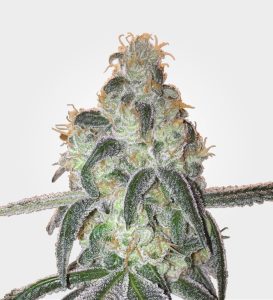
Girl Scout Cookies is a photoperiod hybrid associated with California's cannabis scene. Mature plants commonly develop compact flowers with orange pistils, heavy trichome coverage, and sometimes purple coloration.
GSC also helped establish the wider family of Cookies cannabis strains.
One thing worth understanding is that a strain name does not guarantee that every plant is genetically identical. A 2019 study by Schwabe and McGlaughlin found genetic inconsistencies among commercial cannabis samples sold under the same strain names. The researchers also found that common indica, sativa, and hybrid labels did not neatly match the genetic groups identified in their testing.
Is Girl Scout Cookies Indica or Sativa?
GSC is generally sold as an indica-dominant hybrid, often listed at around 60% indica and 40% sativa.
I would treat that ratio as a description of its breeding background rather than a precise scientific measurement. In the grow room, GSC usually stays within a medium height range but develops enough lateral branching to benefit from training.
Compared with many indica cannabis strains, it can also show noticeable stretch during early flowering.
Strain at a Glance
| Trait | Girl Scout Cookies |
| Genetics | OG Kush × Durban-derived genetics |
| Strain Type | Indica-dominant hybrid |
| THC | Up to around 24% |
| CBD | Below 1% |
| Main Terpenes | Beta-caryophyllene, myrcene, limonene |
| Flavor | Sweet, earthy, spicy, citrus |
| Effects | Commonly reported as uplifting and relaxing |
| Flowering Time | 8–10 weeks |
| Height | 100–180 cm |
| Yield | 400–500 g/m² potential |
| Growing Difficulty | Medium |

Where Did Girl Scout Cookies Come From?
Girl Scout Cookies emerged from the San Francisco Bay Area and became widely known during the late 2000s and early 2010s.
Jai, better known as Jigga, is closely associated with the early Cookies genetics, while Berner helped take the Cookies name into wider cannabis culture.
As GSC became more popular, different clone-only cuts and later seed versions appeared. That helps explain why two plants carrying the same name can differ in aroma, structure, or flowering behavior.
What Are the Genetics of GSC?
GSC is generally described as OG Kush crossed with Durban-derived genetics.
The exact Durban parent is disputed. Some sources name Durban Poison, while others refer to F1 Durban or F1 Durb. For growers, the exact seed line matters more than the name alone.
The current Girl Scout Cookies Feminized Seeds line is a medium-height photoperiod plant with an 8–10 week flowering period.


| THC % | Up to 24% |
|---|---|
| Flowering Time | 8–10 Weeks |
| Outdoor harvest | March |
| Yield | 400–500 g/m² |
| Indica/Sativa | Indica Dominant |
| Height | Medium: 100–180 cm |
| Difficulty | Medium |
| CBD Content | Less than 1% |
| Climate | Mould Resistant, Pest Resistant, Sub Tropical, Temperate, Warm |
| Seed Type | Feminized |
| Genetics | OG Kush x Durban Poison |
| Effects | Relaxing, Uplifting |
| Taste | Earthy, Sweet |
| Terpene | Beta-Caryophyllene, Myrcene, Limonene |

How Strong is GSC and What Does It Taste Like?
GSC sits comfortably among modern high THC cannabis strains, with some lines capable of reaching around 24% THC.
Treat that figure as potential rather than a guaranteed result.
A 2023 study by Zandkarimi and colleagues compared genetically identical cannabis plants grown in different environments. The researchers found significant differences in cannabinoid and terpene profiles, showing that genetics is only part of the picture. Growing environment can also influence the chemistry of the finished flowers.
THC, CBD and Terpenes
GSC is commonly associated with beta-caryophyllene, myrcene, and limonene.
- Beta-caryophyllene contributes peppery and spicy notes.
- Myrcene adds earthy and musky aromas.
- Limonene brings sharper citrus characteristics.
Terpene profiles can vary considerably. A 2020 Plant Physiology study led by Judith Booth examined plants from 32 cannabis seed sources and found substantial terpene variation both within and between groups carrying the same cultivar name.
For that reason, I use terpene information mainly to understand aroma and flavor rather than to predict a particular effect.
A 2024 systematic review of the proposed cannabis "entourage effect" also concluded that claims of terpene-cannabinoid synergy remain unproven clinically and require further research.
What Does Girl Scout Cookies Smell and Taste Like?
GSC usually combines sweetness with an earthy, spicy base.
Common notes include:
- Sweet dough
- Earth
- Pepper
- Citrus
- Mint
- Light fuel
Thin Mint-style expressions can emphasize mint and sweetness, while other GSC cuts lean further toward earth and Kush-like spice.
What Are the Effects of Girl Scout Cookies?
Users commonly describe GSC as beginning with an upbeat or cerebral character before becoming more physically relaxing.
Reports also mention happiness, increased appetite, and a heavier finish as more is consumed. These are reported experiences rather than guaranteed effects.
THC concentration, serving size, tolerance, and individual response all influence how cannabis feels. Higher amounts may also cause dry mouth, dry eyes, dizziness, or anxiety, particularly if you have a low THC tolerance.
How to Grow Girl Scout Cookies Cannabis
Girl Scout Cookies is a medium-difficulty photoperiod strain. It is manageable for growers who understand the basics, although its branching structure benefits from early shaping and steady airflow.
Step 1 – Choose the Right Environment
You can grow GSC indoors, outdoors, or in a greenhouse.
Indoors gives you greater control over temperature, humidity, light, and final height. Outdoors, choose a warm position with strong light and enough space around each plant for air to circulate.
Avoid overcrowding. Dense flowers combined with a packed canopy can make moisture harder to manage late in bloom.
Step 2 – Build an Open, Even Canopy
GSC generally finishes around 100–180 cm, depending on phenotype, vegetative time, and training.
I prefer to shape the plant while its branches are flexible. Low-stress training works well for spreading growth horizontally, while topping and SCROG can also help create an even canopy.
During the cannabis vegetative stage, aim for several productive branches with an open center rather than one dominant stem surrounded by shaded growth.
Step 3 – Manage Flowering and Airflow
GSC normally flowers for around 8–10 weeks.
Some stretch occurs after flowering begins, although the amount varies between plants. As the buds become denser, keep air moving through the canopy and remove weak interior growth that receives little useful light.
During the cannabis flowering stage, the aroma can also become strong, so indoor growers may need effective extraction and carbon filtration.
Step 4 – Watch the Plant Instead of Chasing Maximum Yield
Indoor yields can reach around 400–500 g/m², but treat that figure as potential.
Light, root space, vegetative time, environment, training, and phenotype all affect the final harvest.
I would focus on keeping the plant healthy rather than pushing nutrients simply to chase a yield figure. An evenly lit canopy and stable environment usually provide a better foundation for productive flowering.
Step 5 – Plan the Outdoor Harvest
Outdoor plants can finish around the end of September, although latitude, phenotype, and seasonal weather can move that window.
Use the date as a guide rather than a deadline. Check flower development and trichome maturity before harvesting, while also watching for wet weather around dense flowers.
Conclusion
The Girl Scout Cookies Cannabis Strain combines high potency potential with a manageable size and moderate flowering time. It responds well to training, but its branching and dense flowers mean canopy management and airflow deserve attention.
Research also gives growers a good reason not to treat any strain description as a fixed formula. Plants carrying the same name can differ genetically and chemically, while growing conditions can influence cannabinoid and terpene expression. Use published specifications as a guide, then pay attention to how your individual GSC plants actually grow.
Frequently Asked Questions
Is Girl Scout Cookies indica or sativa?
Girl Scout Cookies is generally classed as an indica-dominant hybrid, often listed at around 60% indica and 40% sativa. Treat these percentages as a description of its breeding background rather than a precise scientific measurement, as modern cannabis cultivars can show considerable genetic variation.
How long does Girl Scout Cookies take to flower?
Girl Scout Cookies typically takes around 8–10 weeks to flower once a photoperiod plant enters bloom. The exact finish time can vary between phenotypes and growing environments, so use the estimated flowering period as a guide and check flower and trichome maturity before harvesting.
How tall does Girl Scout Cookies grow?
GSC generally reaches around 100–180 cm, placing it in the medium-height range. Final size depends on factors such as phenotype, container size, vegetative time, lighting, and training. LST, topping, and SCROG can all help control height indoors.
Is Girl Scout Cookies easy to grow?
Girl Scout Cookies is usually considered a medium-difficulty strain. It is manageable if you understand basic photoperiod cultivation, but its branching can create a dense canopy. Early training, good airflow, and sensible humidity management become particularly important as the flowers gain weight.
How much does Girl Scout Cookies yield?
Girl Scout Cookies can produce around 400–500 g/m² indoors under suitable conditions, although this should be treated as yield potential rather than a guarantee. Light, root space, plant health, training, phenotype, and environmental stability can all influence the final harvest.
References
- Schwabe, A. L., & McGlaughlin, M. E. (2019). Genetic tools weed out misconceptions of strain reliability in Cannabis sativa: implications for a budding industry. Journal of Cannabis Research, 1, 3. Useful for the discussion around strain-name consistency, phenotype variation, and the limitations of indica/sativa classifications. PubMed
- Booth, J. K., Yuen, M. M. S., Jancsik, S., Madilao, L. L., Page, J. E., & Bohlmann, J. (2020). Terpene Synthases and Terpene Variation in Cannabis sativa. Plant Physiology, 184(1), 130–147. Useful for supporting the discussion around terpene variation between plants and cultivars. PubMed
- Zandkarimi, F., Decatur, J., Casali, J., Gordon, T., Skibola, C., & Nuckolls, C. (2023). Comparison of the Cannabinoid and Terpene Profiles in Commercial Cannabis from Natural and Artificial Cultivation. Molecules, 28(2), 833. Useful for showing that genetically identical cannabis plants can develop different cannabinoid and terpene profiles under different growing environments. PubMed Central (PMC)
- André, R., Gomes, A. P., Pereira-Leite, C., et al. (2024). The Entourage Effect in Cannabis Medicinal Products: A Comprehensive Review. Pharmaceuticals, 17(11), 1543. Useful for supporting the cautious wording around terpene effects and the fact that terpene-cannabinoid synergy is not yet firmly established clinically. PubMed Central (PMC)


