




Cannabis fan leaves are the large, recognizable leaves that help power plant growth through photosynthesis while also providing useful clues about overall health. From yellowing and curling to huge fan leaves that dominate the canopy, changes in a fan leaf can tell growers a lot about how a plant is responding to its environment.
Understanding cannabis fan leaves also makes it easier to decide when leaves should stay, when selective removal may improve light and airflow, and how they can be reused after harvest.
In this guide, we explain what weed fan leaves do, how their appearance varies, what common symptoms can mean, and how to manage them throughout the grow.
Key Takeaways
- Cannabis fan leaves drive photosynthesis, helping the plant produce the carbohydrates needed for healthy growth and flower development.
- Fan leaf shape and size vary with genetics, maturity, and growing conditions, so even huge fan leaves should not be used alone to judge plant health or genetics.
- Yellowing, curling, spotting, and burned tips can indicate nutrient, watering, environmental, root-zone, or pest problems.
- Healthy fan leaves should only be removed selectively when they restrict light or airflow, are damaged, or show signs of pests.
- Weed fan leaves can still be useful after harvest, with clean leaves suitable for composting or food uses and resinous leaves potentially saved with other trim.
- What Are Cannabis Fan Leaves?
- Indica Fan Leaf Characteristics
- Sativa Fan Leaf Characteristics
- The Biological Role of Cannabis Fan Leaves
- Why Cannabis Fan Leaves Matter for Plant Health
- When and How to Manage Cannabis Fan Leaves
- What Can You Do With Fan Leaves After Harvest?
- Conclusion
- Frequently Asked Questions About Cannabis Fan Leaves
What Are Cannabis Fan Leaves?
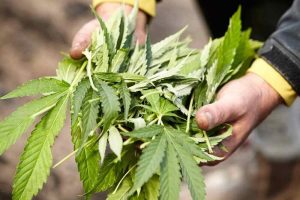
Cannabis fan leaves are the large, recognizable leaves that grow from the stems and branches of the plant. They are a major site of photosynthesis, capturing light to help produce the carbohydrates needed for healthy growth and flower development.
Each fan leaf contains several serrated leaflets, often called fingers or blades. Their number, width, and size vary depending on genetics, plant maturity, and growing conditions. Broad and narrow leaf shapes are commonly associated with different indica, sativa, hybrid, and ruderalis characteristics, but leaf shape alone cannot reliably identify a strain.
Fan leaves also help growers monitor plant health. Yellowing, curling, spotting, or changes in leaf posture can point to watering problems, nutrient imbalances, excessive light, environmental stress, or pests.
| Fan leaf function | Role |
| Photosynthesis | Captures light to support plant growth |
| Gas exchange | Allows carbon dioxide to enter through the stomata |
| Transpiration | Releases water vapor from the leaf |
| Nutrient remobilization | Older leaves can supply mobile nutrients to new growth |
| Health indicator | Shows visible signs of stress, pests, or deficiencies |
Grower tip: Avoid diagnosing a problem from leaf color alone. Check whether symptoms appear on old or new growth and inspect both sides of the leaf before changing nutrients or watering.
Anatomy and Location of Fan Leaves
Fan leaves develop around the nodes of a cannabis plant, where leaves and branches emerge from the stem. The number of nodes varies according to genetics, vegetative growth time, training, and plant size.
The first true leaves appear during the early cannabis seedling stage. As the plant matures, new fan leaves generally become larger and develop more leaflets, increasing the surface area available to capture light.
Petiole
The petiole is the stalk connecting the fan leaf to the stem or branch. Its vascular tissue transports water and minerals to the leaf and carries sugars produced through photosynthesis to other parts of the plant.
Leaflets
Leaflets are the individual serrated sections of a cannabis fan leaf. Young plants usually begin with simpler leaves before producing more leaflets as they mature.
Healthy leaflets are generally flat, flexible, and evenly colored. Curling, spotting, yellowing, or damaged edges can indicate plant stress.
Chlorophyll
Chlorophyll is the green pigment that absorbs light for photosynthesis. Pale or yellow fan leaves indicate reduced chlorophyll, known as chlorosis, although the underlying cause may be nutritional, environmental, or related to root health or pests.
Stomata
Stomata are microscopic pores found mainly on the underside of fan leaves. They regulate gas exchange and transpiration, allowing carbon dioxide to enter while water vapor and oxygen leave.
Grower tip: Always inspect the underside of cannabis fan leaves. Pests such as spider mites, aphids, and thrips are often easier to spot there.
Indica Fan Leaf Characteristics
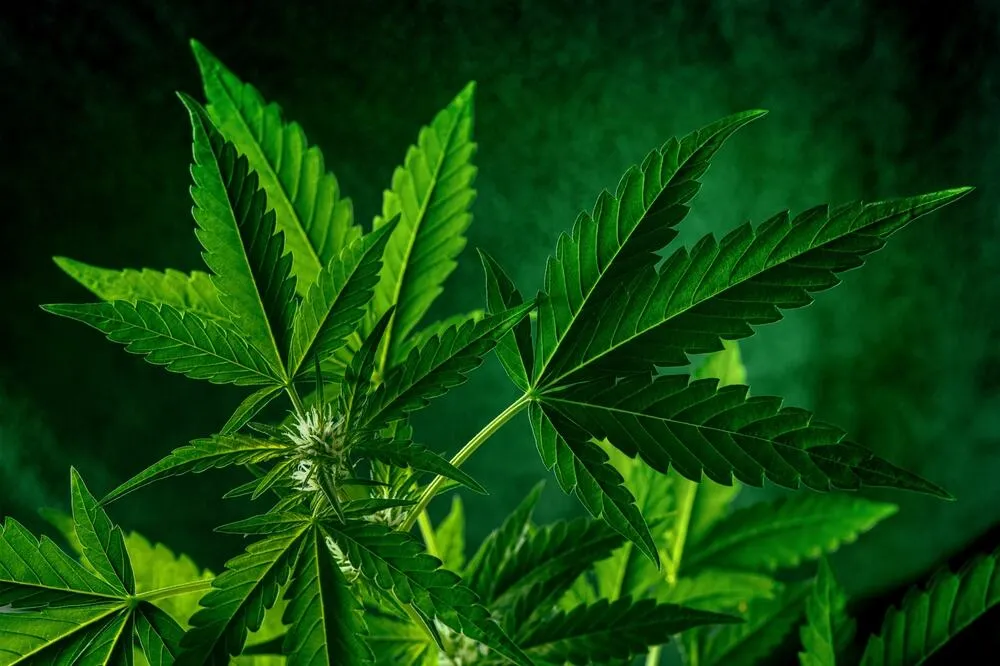
Indica-type cannabis plants are commonly associated with broad, wide fan leaves and a compact leaflet arrangement. Their foliage may also appear darker green, although color is influenced by genetics, nutrition, and growing conditions.
| Indica fan leaf trait | Typical characteristic |
| Leaflet shape | Broad and wide |
| Leaf structure | Compact with less space between leaflets |
| Color | Often darker green |
| Surface area | Broad leaves provide a large light-catching surface |
| Canopy effect | Larger leaves can create more shading below |
These characteristics can help describe plant morphology, but leaf shape alone cannot reliably identify genetics, particularly because many modern cannabis strains are heavily hybridized.
Grower tip: Large indica-type fan leaves can shade lower growth. Only consider removing leaves that are significantly restricting light or airflow rather than removing them simply because they are large.
Sativa Fan Leaf Characteristics
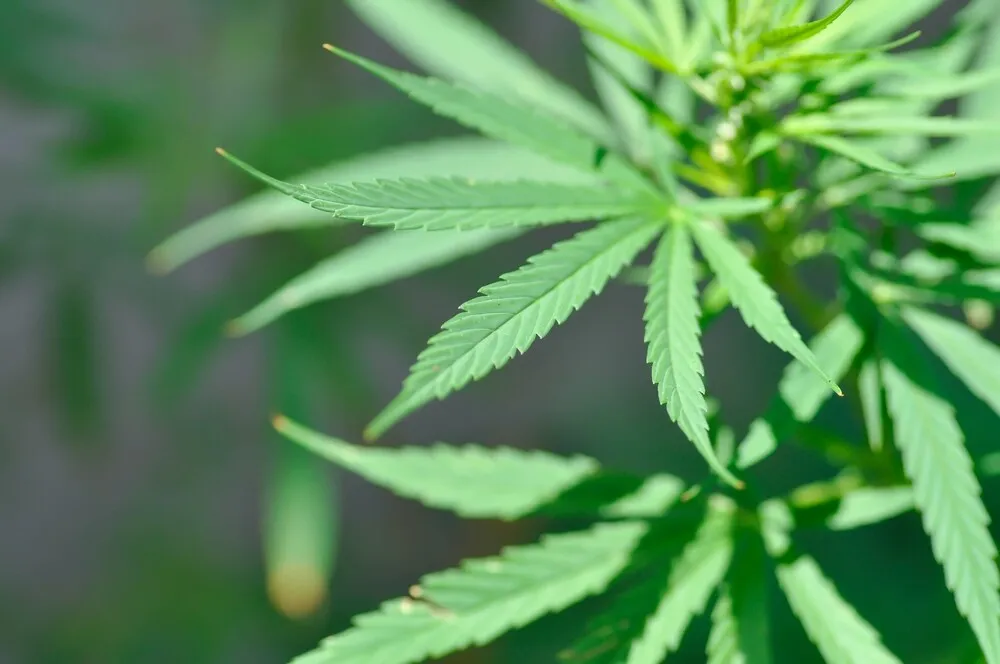
Sativa-type cannabis plants are commonly associated with long, narrow fan leaflets with more space between each blade. This gives the leaf a more open structure than the broad foliage typically associated with indica-type plants.
| Sativa fan leaf trait | Typical characteristic |
| Leaflet shape | Long and narrow |
| Leaf structure | Open with more space between leaflets |
| Color | Often lighter green |
| Surface area | Narrower individual leaflets |
| Canopy effect | Open leaves may allow more light through the canopy |
Leaflet number is not fixed and can vary with genetics, plant maturity, and growing conditions. For this reason, leaflet count should not be used alone to classify a cannabis plant.
Grower tip: Use fan leaf shape as a visual clue rather than proof that a plant is sativa. Genetics, breeder information, and overall growth structure provide more reliable context.
The Biological Role of Cannabis Fan Leaves
Cannabis fan leaves support three important plant processes: photosynthesis, transpiration, and nutrient remobilization. Together, these functions help the plant produce carbohydrates, regulate water loss, exchange gases, and redistribute certain nutrients as it grows.
| Fan leaf role | What happens | Why it matters |
| Photosynthesis | Light energy is converted into chemical energy | Provides carbohydrates for plant growth |
| Transpiration | Water vapor leaves through the stomata | Supports water movement and temperature regulation |
| Nutrient remobilization | Mobile nutrients can move from older leaves to developing tissues | Helps support new growth and reproduction |
Photosynthesis Explained
Fan leaves contain chlorophyll, which absorbs light used during photosynthesis. The light-dependent reactions convert light energy into ATP and NADPH. These compounds then help the plant use carbon dioxide to build carbohydrates needed for growth.
Photosynthesis relies on light; the term "dark reactions" can be misleading because the carbon-fixation stage depends on energy produced during the light-dependent reactions.
Transpiration Explained
Transpiration is the loss of water vapor from the plant, primarily through stomata on the leaves. Water absorbed by the roots moves through the plant before eventually being released into the surrounding air.
Temperature, humidity, airflow, and vapor pressure deficit (VPD) all influence this process. If the air becomes excessively dry or hot, water loss can increase and the plant may respond by closing its stomata, which can also restrict carbon dioxide uptake.
Nutrient Storage and Remobilization
Fan leaves contain nutrients used in photosynthesis and other metabolic processes. Mobile nutrients such as nitrogen can be broken down and remobilized from older leaves to younger growth and other developing tissues, particularly during nutrient shortages or natural leaf senescence.
This movement can contribute to older cannabis fan leaves becoming pale or yellow as chlorophyll and nitrogen-containing compounds decline. However, yellowing does not automatically confirm a nitrogen deficiency, as watering, root-zone conditions, pH, pests, and natural aging can produce similar symptoms.
Grower tip: Before increasing nutrients because lower fan leaves are yellowing, check where the symptoms started and whether the plant is still actively growing or approaching natural late-flowering senescence.
Why Cannabis Fan Leaves Matter for Plant Health
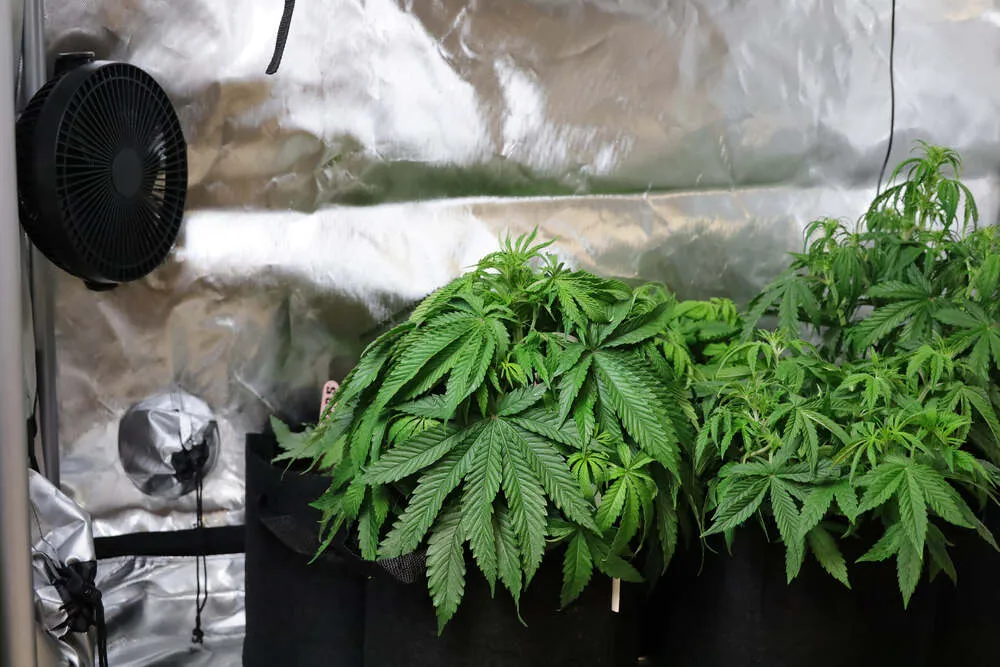
Cannabis fan leaves provide useful early clues about plant health. Changes in leaf appearance can indicate problems with nutrients, watering, roots, light, pests, temperature, or humidity.
Healthy fan leaves are generally flat, flexible, and evenly colored, although color varies between genetics. When diagnosing problems, look at where symptoms appear and whether they affect older or newer growth.
Common Problems Shown by Fan Leaves
Yellowing
Yellow cannabis leaves have reduced chlorophyll. Older leaves may yellow as mobile nutrients such as nitrogen are remobilized, but pH issues, watering, root stress, deficiencies, and natural aging can produce similar symptoms.
Curling
Cannabis leaves curling up or down can result from heat, excessive light, overwatering, underwatering, root problems, or disrupted nutrient uptake. Pests such as aphids, spider mites, and thrips can also cause curling or distorted growth.
Brown Spots
Brown spots on cannabis leaves can be linked to nutrient deficiencies, including calcium deficiency, as well as pests, watering stress, heat, and diseases such as powdery mildew.
Tip Burn
Brown, crispy leaf tips are commonly associated with nutrient burn. Mild cases affect only the tips, while more severe damage can spread along the leaf margins.
Brittle Leaves and Petioles
Dry or brittle leaves and petioles can occur with prolonged heat, low humidity, watering problems, or nutrient stress. Because several issues can cause the same symptom, it should be assessed alongside the rest of the plant.
What Fan Leaf Symptoms Can Tell You
Fan leaves are useful diagnostic clues, but a single symptom rarely confirms the exact problem.
| Fan leaf symptom | Possible causes | Check first |
| Yellowing | Nutrients, pH, watering, aging | Old vs new growth, pH, roots |
| Curling | Heat, light, watering, roots | Temperature, light, moisture |
| Brown spots | Nutrients, pests, disease | Leaf undersides and root zone |
| Burned tips | Excess nutrients or salts | Feed strength and EC |
| Dry or brittle leaves | Heat, low humidity, watering | Environment and root moisture |
| Feeding damage | Aphids, thrips, spider mites | Leaf undersides and new growth |
When and How to Manage Cannabis Fan Leaves
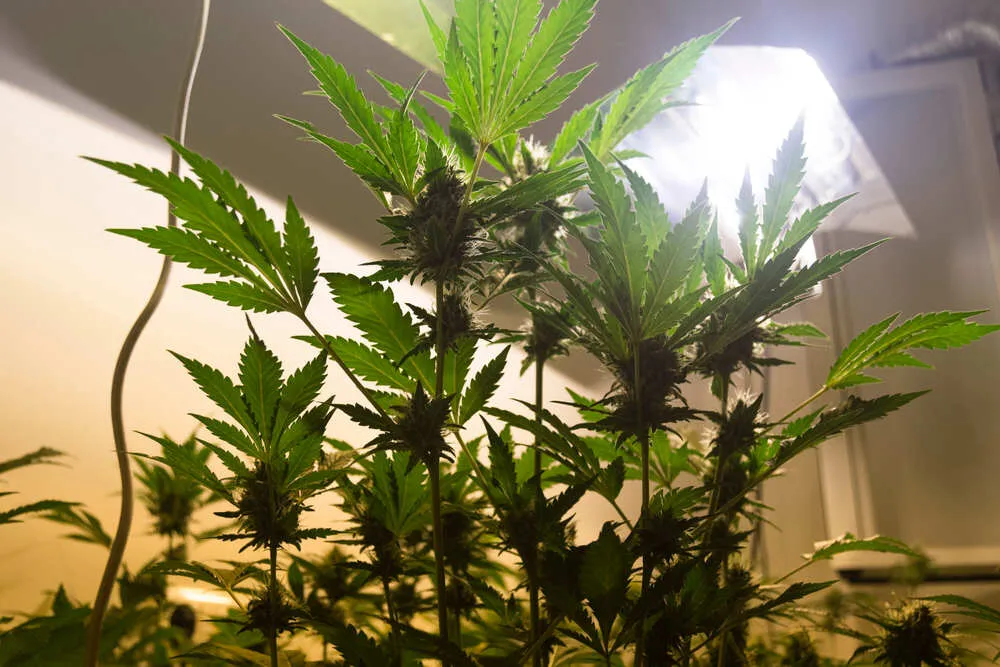
Healthy cannabis fan leaves support photosynthesis, so removal should be selective. Pruning and defoliation are most useful when leaves are blocking important growth, restricting airflow, damaged, or affected by pests.
Step 1: Decide Which Fan Leaves to Remove
Check the canopy from above and the sides. Prioritize leaves that:
- Block developing branches or flower sites
- Restrict airflow through dense growth
- Are yellow, damaged, or dying
- Show pest damage or eggs
- Receive very little useful light
Do not remove huge fan leaves based on size alone. Healthy leaves exposed to light are still contributing to plant growth.
Step 2: Choose the Right Time
Fan leaves can be selectively removed during the vegetative stage and flowering stage.
| Growth stage | When to remove leaves | Purpose |
| Vegetative | When healthy, established plants become crowded | Improve light and airflow |
| After training | When leaves shade repositioned shoots | Expose new growth |
| Early flowering | When the canopy becomes dense | Improve airflow and light penetration |
| Later flowering | Only when necessary | Remove damaged or dying leaves |
There is no single defoliation week that suits every plant. Genetics, canopy density, and plant health should guide timing.
Step 3: Remove Fan Leaves Cleanly
Use clean, sharp pruning scissors. Follow the fan leaf to its petiole and cut close to the stem or branch without damaging nearby growth.
Avoid tearing leaves off by hand, as this can damage the surrounding tissue. Clean tools between plants, particularly if pests or disease are suspected.
Step 4: Avoid Over-Defoliating
Remove only the leaves creating a clear problem. Taking away too much foliage at once reduces the surface area available for photosynthesis and can stress the plant. After defoliating, monitor the canopy before removing more. The aim is to maintain healthy foliage while improving light penetration and airflow, not to strip the plant bare.
What Can You Do With Fan Leaves After Harvest?
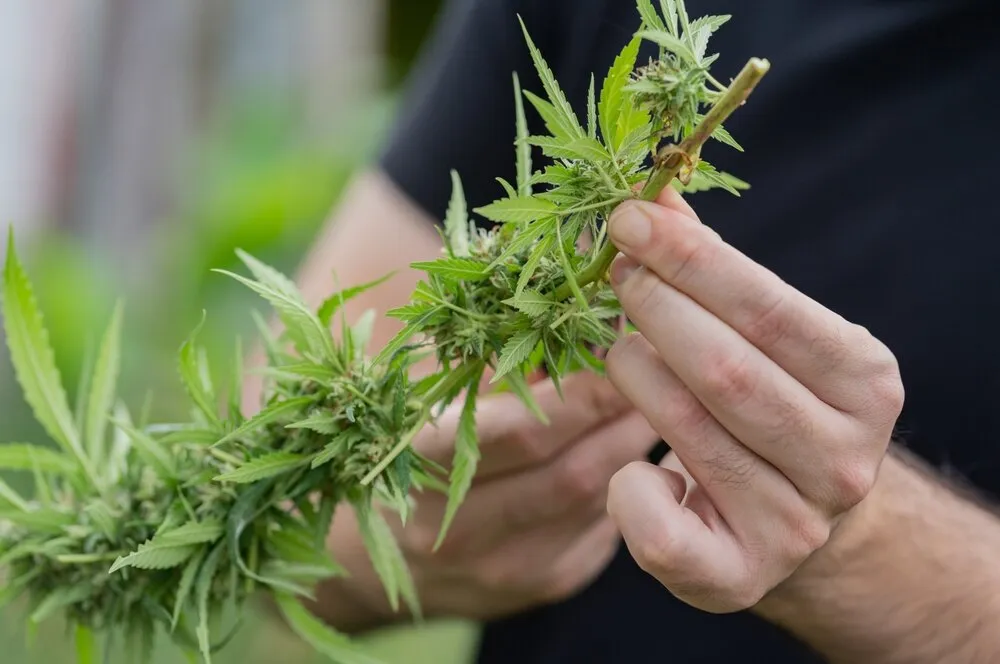
After harvesting and trimming cannabis, fan leaves do not always need to be discarded. How you use them depends largely on their condition and the amount of visible trichomes.
| Type of fan leaf | Potential use |
| Clean, healthy leaves | Salads, smoothies, or tea |
| Leaves with visible trichomes | Save with resinous trim for hash or extracts |
| Clean non-resinous leaves | Compost |
| Damaged or pest-infested leaves | Discard rather than reuse |
Nutritional Uses: Salads, Smoothies and Tea
Fresh, clean fan leaves can be washed and used raw in salads or blended into smoothies. They can also be steeped in hot water to make a simple cannabis leaf tea.
Only use leaves that are clean and free from pests, mold, or other visible contamination.
Extraction, Topical and Other Uses
Fan leaves with noticeable trichome coverage can be saved alongside other resinous trim for making hash or extracts. Leaves may also be used in homemade oils, balms, cannagars, or craft projects.
Fan leaves without useful resin still have value in the garden. Healthy plant material that is free from pests and disease can be added to compost instead of being thrown away.
Conclusion
Cannabis fan leaves play a central role in photosynthesis, transpiration, nutrient movement, and overall plant health. Their size, shape, and color can also provide useful clues about how a plant is responding to its environment.
Rather than removing fan leaves automatically, growers should manage them selectively. Healthy leaves should generally remain unless they are blocking important growth, restricting airflow, damaged, or affected by pests. After harvest, clean fan leaves can also be reused for compost, food preparation, or other low-resin applications, while more resinous leaves may be kept with trim.
Learning how to read and manage cannabis fan leaves makes it easier to spot problems early and maintain a healthier canopy throughout the grow.
Frequently Asked Questions About Cannabis Fan Leaves
Are Huge Fan Leaves a Good Sign?
Huge fan leaves can be a sign that a cannabis plant is developing well, but size alone does not confirm plant health. Genetics, light intensity, nutrition, and growing conditions all influence leaf size. Large leaves are useful for photosynthesis but may need selective removal if they heavily shade lower growth.
Should You Remove Fan Leaves From Cannabis Plants?
Healthy fan leaves should not be removed without a reason. Selective defoliation may be useful when leaves restrict airflow, shade developing growth, or become damaged or pest-infested. Removing too many leaves can reduce the surface area available for photosynthesis.
Why Are My Cannabis Fan Leaves Turning Yellow?
Yellowing occurs when chlorophyll levels decline. Possible causes include nutrient deficiencies, incorrect pH, watering problems, root stress, environmental conditions, or natural aging. Where the yellowing begins—older or newer growth—can help narrow down the cause.
Do Cannabis Fan Leaves Contain THC?
Cannabis fan leaves can contain cannabinoids, but they usually have far fewer resin-producing trichomes than sugar leaves and flowers. Fan leaves with visible trichome coverage may be saved with resinous trim, while non-resinous leaves are generally better suited to composting or other low-resin uses.
What Can You Do With Weed Fan Leaves After Harvest?
Clean weed fan leaves can be washed and used in salads, smoothies, or teas, or added to compost. Leaves with visible trichomes may be saved with other resinous trim. Avoid reusing fan leaves affected by pests, mold, or disease.


