




Jack Herer is a sativa-dominant cannabis strain known for its Haze-influenced growth, pine-and-spice aroma and long-standing reputation among growers. The MSNL version combines Haze, Northern Lights #5 and Shiva Skunk genetics, producing a tall, branching plant that responds well to training. It is considered relatively easy to grow, although indoor growers need to plan for height and flowering stretch. With a flowering time of around 10–12 weeks, THC levels of up to 19% and a terpene profile led by terpinolene, caryophyllene and pinene, Jack Herer offers a balanced mix of classic genetics, practical growing traits and distinctive flavor.
Key Takeaways
- Its profile is pine, spice and wood: The main terpenes are terpinolene, caryophyllene and pinene, with reported effects commonly described as creative, energizing and uplifting.
- Jack Herer is sativa dominant: The MSNL version is listed as 55% sativa and 45% indica, with tall growth and strong side branching.
- Its genetics are well established: Jack Herer combines Haze, Northern Lights #5 and Shiva Skunk, giving it a mix of height, structure and denser flower development.
- It benefits from early training: LST, topping and SCROG can help control stretch and create a wider canopy indoors.
- Flowering takes around 10–12 weeks: Outdoor plants are usually ready around mid-October, making warm climates with a longer autumn more suitable.
Jack Herer Strain Profile and Key Characteristics
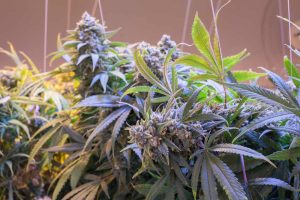
Our Jack Herer is a sativa-dominant hybrid bred from Haze, Northern Lights #5 and Shiva Skunk genetics. The plant develops a tall, branching structure with enough lateral growth to respond well to training, making it suitable for growers who can provide some vertical space or shape the canopy before flowering.
It is listed as relatively easy to grow, although its final height and flowering stretch mean indoor growers should plan ahead.
| Trait | MSNL Jack Herer |
| Genetics | Haze × Northern Lights #5 × Shiva Skunk |
| Seed type | Feminized |
| Strain type | Sativa-dominant hybrid |
| Sativa/Indica | 55% Sativa / 45% Indica |
| THC | Up to 19% |
| CBD | Less than 1% |
| Main terpenes | Terpinolene, caryophyllene, pinene |
| Flavor | Pine, spicy, woody |
| Reported effects | Creative, energizing, uplifting |
| Flowering time | 10–12 weeks |
| Height | Around 180–220 cm |
| Indoor yield | Around 400–500 g/m² |
| Outdoor harvest | Around mid-October |
| Growing difficulty | Easy |
Its height and long branches reflect the sativa side of its genetics, while the Northern Lights #5 and Shiva Skunk influence helps give the plant a fuller structure than more extreme Haze varieties.
As with other sativa cannabis strains, the main consideration indoors is height. Training the branches during vegetative growth can help create a wider canopy and leave enough room for the additional stretch that takes place after flowering begins.
Understanding Jack Herer Genetics and Plant Type
Jack Herer is a photoperiod hybrid with a slight sativa lean. It was bred to bring together the taller structure associated with Haze and the denser flower development found in Northern Lights #5 and Shiva Skunk.
You will usually see a plant that grows upward while also producing long side branches. That makes it well suited to training because you can spread growth across the available space rather than letting one main stem dominate.
The main drawback is height. If you allow Jack Herer to stay in vegetative growth for too long, it can become difficult to control once flowering stretch starts.
How Sativa-Dominant Is Jack Herer?
Jack Herer is classed as a sativa-dominant hybrid, with the current line listed at around 55% sativa and 45% indica.
That balance shows most clearly in the plant structure. Jack Herer tends to produce longer branches, more internodal spacing and greater vertical growth than a compact indica.
If you enjoy growing Haze cannabis strains, the growth pattern will feel familiar, although Jack Herer is usually easier to control than more extreme Haze varieties.
Where Did Jack Herer Come From?
Jack Herer first appeared in the Netherlands during the 1990s and was named after cannabis activist and author Jack Herer.
Its commonly accepted lineage is:
Haze × Northern Lights #5 × Shiva Skunk
That combination helps explain the way Jack Herer grows. Haze contributes much of the height, stretch and longer branching, while Northern Lights #5 and Shiva Skunk add broader growth and denser flower development.
For a closer look at one of those parent lines, our guide to Northern Lights covers its history, structure and growing traits in more detail.
The current Jack Herer Feminized Seeds are designed to produce female plants, which removes the need to identify and remove males during the grow. This can make canopy planning simpler, especially when indoor space is limited.
{{block class="FishPigExtend\Wordpress\Block\Product\Related" sku="JH-F010"}}
Potency, Terpenes and Sensory Profile
Jack Herer sits in a moderate range when it comes to potency. It is not built around extreme THC numbers, and that can suit growers and consumers who are not specifically chasing the highest figures available.
Jack Herer THC and CBD Levels
Current Jack Herer plants can reach around 19% THC, with CBD remaining below 1%.
Treat the THC figure as a guide rather than a fixed result. Lighting, phenotype, nutrition, harvest timing and the growing environment can all affect cannabinoid levels.
This is worth keeping in mind when comparing cannabis strains. A strain name gives you an idea of what to expect, but two plants carrying the same name will not always finish with identical chemistry.
Main Terpenes in Jack Herer
The main terpenes associated with the current Jack Herer line are:
- Terpinolene
- Caryophyllene
- Pinene
Terpinolene contributes herbal and woody notes, pinene brings a sharper pine character, and caryophyllene adds pepper and spice.
The exact balance can shift between phenotypes. One plant may smell strongly of pine, while another may lean more toward herbs, citrus or earth.
Jack Herer Aroma and Flavor
Jack Herer has a fairly traditional cannabis profile.
The aroma usually begins with pine and fresh herbs, followed by woody, earthy and spicy notes. Some phenotypes also carry a light citrus edge.
The flavor follows a similar pattern. Pine tends to come through first, followed by peppery spice and a dry woody finish.
If you prefer sweet dessert-style strains, Jack Herer may feel more traditional. If you like pine, Haze and herbal flavors, that is where this strain tends to stand out.
What Effects Are Commonly Reported With Jack Herer?
Jack Herer is commonly associated with:
- Uplifting feelings
- Creativity
- Mental stimulation
- Energy
- Focus
These are reported effects rather than guaranteed outcomes. THC affects people differently, and the amount consumed can change the experience considerably.
Higher doses can also feel uncomfortable for some people, particularly those with a lower THC tolerance.


| THC % | Up to 18% |
|---|---|
| Flowering Time | 10–12 Weeks |
| Outdoor harvest | April |
| Yield | 500–600 g/m² |
| Indica/Sativa | Sativa Dominant |
| Height | Tall: 180–220 cm |
| Difficulty | Easy |
| CBD Content | Less than 1% |
| Climate | Mould Resistant, Sub Tropical, Tropical, Warm |
| Seed Type | Feminized |
| Genetics | Sativa Haze x Northern Lights #5 x Shiva Skunk |
| Effects | Creative, Energising, Uplifting |
| Taste | Pine, Spicy, Woody |
| Terpene | Terpinolene, Caryophyllene, Pinene |
How to Grow Jack Herer Step by Step
Jack Herer is manageable for most growers, but its height and flowering stretch mean you need to plan the plant rather than simply let it grow unchecked. I find it easiest to manage when you shape the canopy early and keep enough room for the plant to stretch once flowering begins.
Step 1: Give the Plant Enough Space
Jack Herer can reach around 180–220 cm, so start by thinking about the space you have available.
Indoors, avoid filling the entire vertical space during vegetative growth. Jack Herer can continue stretching after flowering starts, especially in plants that lean more toward the Haze side of its genetics.
Leave enough room between the canopy and the light, while also giving the side branches space to spread outward.
Outdoors, choose an open position where the plant can develop without being crowded by nearby plants.
Step 2: Build a Strong Plant During Vegetative Growth
Before you start heavier training, allow the plant to establish a healthy root system and several strong nodes.
During vegetative growth, focus on steady development rather than rushing the plant into flowering. You want several healthy branches that can later be spread across the available space.
Watch the spacing between nodes. If the plant starts stretching heavily before flowering, adjust your setup before it becomes difficult to manage.
Step 3: Train the Branches Outward
Jack Herer responds well to early canopy training.
I prefer low-stress training while the branches are still flexible. Gradually bend taller branches away from the center and secure them in place.
The aim is to create a wider, flatter canopy rather than one tall central stem.
This helps:
- Keep the plant shorter
- Spread growth across the grow space
- Improve light exposure to several flowering sites
- Reduce heavy shading in the middle of the plant
A SCROG setup can also work well with Jack Herer because its longer branches can be guided across the screen as they grow.
Step 4: Keep the Canopy Open Before Flowering
Once the plant has developed several strong branches, check the center of the canopy.
Remove weak shoots that receive very little light and gently reposition branches that are growing into each other.
Do not remove large amounts of healthy growth without a reason. The goal is to improve airflow and light penetration, not leave the plant stripped.
I would concentrate on:
- Keeping space between branches
- Removing weak interior shoots
- Preventing leaves from constantly overlapping developing sites
- Maintaining airflow through the middle of the plant
This becomes more important later because Jack Herer can develop a fairly large canopy.
Step 5: Allow Room for the Flowering Stretch
When you switch a photoperiod Jack Herer plant into flowering, expect additional vertical growth.
Do not wait until branches are touching the light before doing something about it.
During the early part of flowering, continue gently guiding flexible branches outward where necessary. This is usually easier than trying to bend thick, woody stems later.
More Haze-leaning phenotypes may stretch noticeably more than shorter plants, so treat each plant individually rather than expecting every Jack Herer to finish at exactly the same height.
The cannabis flowering stage guide explains how growth changes as plants move through bloom.
Step 6: Manage Airflow and Humidity During Flowering
As flowers begin to develop, pay more attention to the environment around the canopy.
Keep air moving above and below the branches and avoid allowing the center of the plant to become packed with overlapping growth.
Check regularly for areas where leaves remain pressed together or where moisture could become trapped around developing flowers.
Good canopy management also makes it easier to inspect the plant for pests, damaged leaves or early signs of mould.
Step 7: Support Heavy Branches if Needed
Jack Herer can develop long branches carrying several flowering sites.
As those flowers gain weight, some branches may begin to lean or sag. Add plant supports, stakes or ties if necessary rather than waiting for a branch to bend sharply under its own weight.
Support should hold the branch in its natural position without pulling it tightly against other growth.
Step 8: Give Jack Herer Time to Finish
Jack Herer normally flowers for around 10–12 weeks, so it is not one of the fastest photoperiod strains.
Avoid harvesting simply because a certain number of weeks has passed. Flower development can vary between phenotypes and growing environments.
Use the expected flowering time as a guide, then judge maturity by the condition of the flowers and trichomes.
Under suitable indoor conditions, plants can produce around 400–500 g/m², although yield depends heavily on light, root space, training, plant health and environmental control.
Step 9: Plan Outdoor Harvest Around the Climate
Outdoor Jack Herer plants are generally ready around mid-October.
That timing works best in places where autumn stays reasonably warm and dry long enough for the flowers to finish.
If your local weather becomes cold and wet early in the season, the longer flowering period can become a disadvantage.
Give outdoor plants plenty of space, maintain airflow through the branches and keep an eye on weather conditions as harvest approaches.
Step 10: Watch for Differences Between Plants
Not every Jack Herer plant will grow exactly the same way.
You may see one plant develop:
- Taller growth
- Wider internodal spacing
- More flowering stretch
Another may stay:
- Slightly shorter
- Fuller through the center
- More compact during flowering
That phenotype variation is normal.
The best approach is to train each plant according to how it grows rather than forcing every plant into the same shape.
The main challenges with Jack Herer are height, stretch, flowering time and canopy control. If you deal with those early, the strain becomes much easier to manage. I would focus most of my effort during vegetative growth and the first part of flowering, because that is when you have the most control over the final plant shape.
Conclusion
Jack Herer has stayed popular because it offers a useful balance between classic sativa-style growth, recognizable Haze genetics and a manageable growing pattern. It is not the shortest or fastest strain you can grow, but it responds well to early training and rewards growers who give it enough space to develop.
The main things to watch are height, flowering stretch and canopy density. If you shape the plant during vegetative growth, maintain good airflow and allow the full 10–12 week flowering period, Jack Herer is generally straightforward to manage. Its pine, spice and woody profile also gives it a very different character from many modern dessert-style strains.
Frequently Asked Questions
Is Jack Herer indica or sativa?
Jack Herer is a sativa-dominant hybrid. The current MSNL line is listed at around 55% sativa and 45% indica. Its sativa influence is most noticeable in its taller growth, longer branches and flowering stretch.
How tall does Jack Herer grow?
Jack Herer can reach around 180–220 cm, depending on the phenotype, vegetative period and growing environment. Indoor growers can keep plants shorter by using low-stress training, topping or SCROG before flowering.
How long does Jack Herer take to flower?
Jack Herer normally takes around 10–12 weeks to flower. Some plants may finish slightly earlier or later, so use the expected flowering time as a guide rather than harvesting by the calendar alone.
Is Jack Herer easy to grow?
Jack Herer is generally considered easy to moderate to grow. The main challenge is controlling its height and stretch indoors. If you train the branches early and leave enough room above the canopy, the plant becomes much easier to manage.
How much can Jack Herer yield?
Under suitable indoor conditions, Jack Herer can produce around 400–500 g/m². Actual yield depends on factors such as lighting, root space, plant health, training, vegetative time and environmental conditions, so the figure should be treated as potential rather than a guaranteed result.
References
- Smith CJ, et al. The Phytochemical Diversity of Commercial Cannabis in the United States. PLOS ONE. Research examining cannabinoid and terpene profiles across a large number of commercial cannabis samples. Useful for supporting the point that strain names and indica/sativa labels do not guarantee identical chemical profiles. (pmc.ncbi.nlm.nih.gov)
- Jikomes N, Zoorob M. Cannabis Chemovar Nomenclature Misrepresents Chemical and Genetic Diversity. Research examining chemical variation across commercially named cannabis strains and highlighting differences in cannabinoid and terpene profiles between samples. (pmc.ncbi.nlm.nih.gov)

