




Choosing the best outdoor strains depends on your local climate, growing season and available space. Some cannabis varieties are better suited to warm, sunny conditions, while others have characteristics that make them suitable for cooler regions with shorter summers.
When comparing outdoor weed strains, flowering time, plant height, resistance to fungal disease and harvest timing are important considerations. Choosing genetics suited to your environment can make outdoor growing more manageable, particularly for beginners.
This guide compares ten top outdoor strains, explaining their growing characteristics, climate suitability and why each variety deserves consideration.
Key Takeaways
- Climate matters: The best outdoor cannabis strains are suited to local temperatures, rainfall and growing season length.
- Flowering time: Shorter-flowering varieties may be more suitable for regions with limited growing seasons.
- Disease resistance: Strains with reduced susceptibility to fungal disease are worth considering in humid environments, although none are immune.
- Plant size: Compact strains suit limited spaces, while taller varieties require more room.
- Yield potential: Choose outdoor genetics based on environmental suitability rather than advertised yields alone.
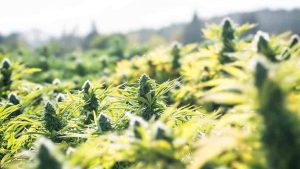
Best Outdoor Weed Strains at a Glance
The following varieties offer different characteristics for outdoor growing. You can explore the wider range of outdoor cannabis seeds when comparing genetics suited to different environments.
| Outdoor strain | Climate consideration | Flowering time | Main characteristic |
| Holland's Hope | Cool, temperate | 8–10 weeks | Outdoor resilience |
| The Cheese | Temperate | 8–10 weeks | Sturdy growth |
| Purple Power | Temperate | 8–10 weeks | Tall plant structure |
| Crystal | Temperate | 8–10 weeks | Manageable growth |
| Northern Lights | Warm, relatively dry | 8–10 weeks | Compact structure |
| Skunk #1 | Temperate | 8–10 weeks | Beginner-friendly |
| Critical | Warm, temperate | 8–10 weeks | High yield potential |
| Durban Poison | Warm, sunny | 8–10 weeks | Tall sativa growth |
| Hindu Kush | Cool, temperate | 8–10 weeks | Sturdy indica structure |
| Amnesia Fast Flowering | Climate-dependent | 6–8 weeks | Shorter flowering period |
Flowering times are breeder estimates. Outdoor maturity depends on when flowering begins, local daylight patterns and environmental conditions.
What Makes a Good Outdoor Weed Strain?
A good outdoor strain is one that can develop and reach maturity within the available growing season. Before choosing genetics, there are four characteristics to understand.
Climate and Temperature
Temperature, rainfall and sunlight influence plant development. Warm conditions may support substantial growth, while cooler environments can shorten the time available before autumn weather becomes unfavourable.
The local environment should therefore be considered before following general advice about growing cannabis outdoors.
Flowering Time and Harvest
Flowering time is particularly important in regions with shorter growing seasons.
Steel et al. (2023) examined genetic mechanisms associated with flowering responses in cannabis. Their research helps explain why flowering characteristics differ between varieties.
Most traditional photoperiod strains begin flowering in response to seasonal changes in daylight. However, an advertised eight-week flowering period does not mean a plant will be ready eight weeks after planting.
Recognising the signs of maturity is equally important when determining when cannabis is ready to harvest.
Resistance to Fungal Disease
High humidity and prolonged moisture can increase the risk of fungal disease, particularly around dense flowers.
Punja (2021) reviewed important cannabis pathogens, including those responsible for flower rot and other diseases affecting commercial cultivation.
Varieties advertised as resistant may still develop infections under favourable conditions for fungal growth. Understanding the causes of bud rot in cannabis helps explain why genetics alone cannot prevent disease.
Plant Height and Yield
Some outdoor strains develop tall, spreading branches, while others remain comparatively compact. Larger plants require more room, but plant height does not guarantee a greater harvest.
Grower Tip: Compare the expected maturity window with your local autumn conditions. A strain that finishes within the available season is generally a more sensible choice than one with higher advertised yields but a longer flowering period.

Top 10 Outdoor Cannabis Strains
The best outdoor strains depend on local climate, growing season and available space. These ten varieties offer different advantages, from shorter flowering periods to manageable height and high yield potential. Recommendations are based on breeder specifications rather than independent field trials.
1. Holland's Hope — For Cooler, Changeable Climates
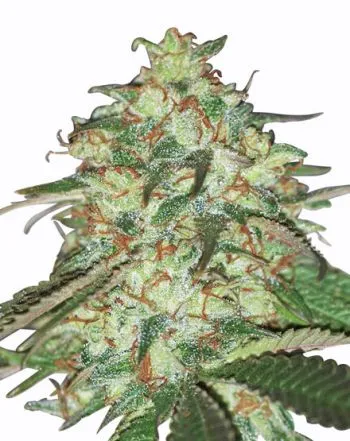
Holland's Hope combines Afghani and Skunk genetics and was developed specifically with outdoor growing in mind.
Its sturdy structure and estimated 8–10-week flowering period make it a strong candidate for temperate climates with unpredictable autumn weather.
The main advantage is its outdoor breeding background, offering characteristics associated with reliable seasonal growth rather than exceptional height or potency.
For beginners dealing with shorter summers, Holland's Hope is worth comparing with other strains suited to colder climates. However, its resilience does not guarantee frost resistance.
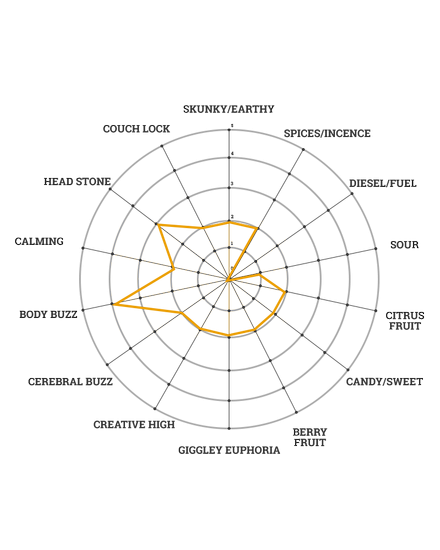
| THC % | Up to 18% |
|---|---|
| Flowering Time | 8–10 Weeks |
| Outdoor harvest | March |
| Yield | 400–500 g/m² |
| Indica/Sativa | Indica Dominant |
| Height | Tall: 180–220 cm |
| Difficulty | Easy |
| CBD Content | Less than 1% |
| Climate | Cool, High Altitude, Temperate, Warm |
| Seed Type | Feminized |
| Genetics | Afghan and Skunk |
| Effects | Uplifting |
| Taste | Tea, Apricot, Pungent |
| Terpene | Terpinolene, Caryophyllene, Pinene |
2. The Cheese — For Temperate Conditions
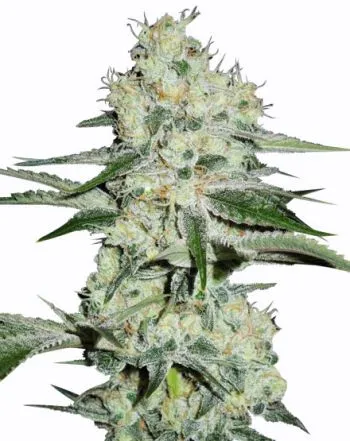
The Cheese is an indica-dominant hybrid known for its bushy growth, dense flowers and distinctive pungent aroma.
Its estimated 8–10-week flowering period suits consideration in temperate regions with sufficiently long growing seasons.
Choose The Cheese if you prefer a substantial, bushy plant rather than the extensive vertical growth of taller sativa varieties.
Its dense flowers are a potential disadvantage in wet conditions, where trapped moisture can increase the risk of fungal disease. It is better suited to environments where autumn conditions remain relatively stable.
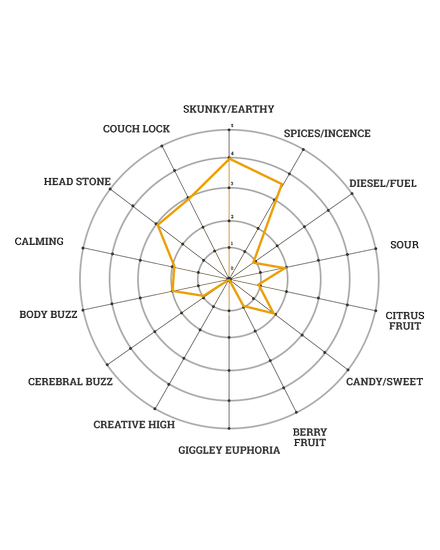
| THC % | Up to 18% |
|---|---|
| Flowering Time | 8–10 Weeks |
| Outdoor harvest | March |
| Yield | 300–400 g/m² |
| Indica/Sativa | Indica Dominant |
| Height | Medium: 100–180 cm |
| Difficulty | Medium |
| CBD Content | Less than 1% |
| Climate | Cool, High Altitude, Mould Resistant, Warm |
| Seed Type | Feminized |
| Genetics | Cheese x Afghan |
| Effects | Relaxing |
| Taste | Cheese , Skunk , Pungent |
| Terpene | Limonene , Myrcene , Caryophyllene |
3. Purple Power — For Taller Outdoor Plants
Purple Power combines Thai Haze and Early Skunk genetics, producing a sativa-dominant variety with considerable outdoor height potential.
MSNL lists heights of 180–220 cm, an 8–10-week flowering period and an early-October harvest estimate in the Northern Hemisphere.
It appeals to growers with plenty of outdoor space who want sativa characteristics without the extended flowering period of some traditional Haze varieties.
Purple Power can also develop attractive purple pigmentation, although the intensity varies between plants and environmental conditions.
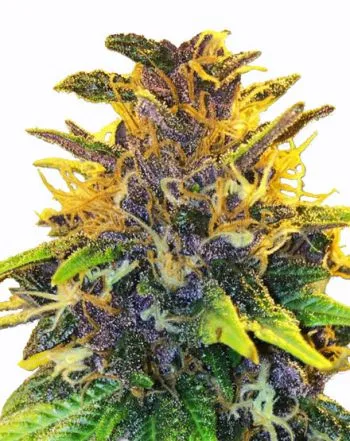
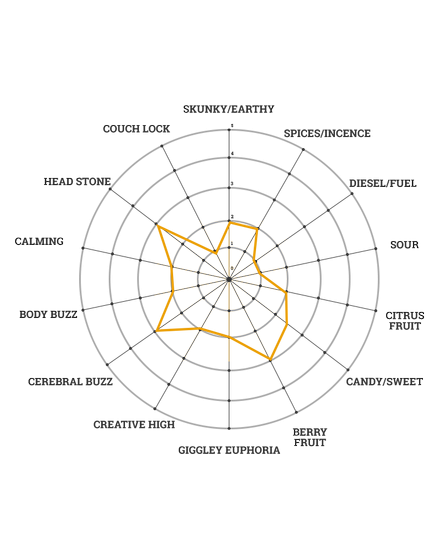
| THC % | Up to 24% |
|---|---|
| Flowering Time | 8–10 Weeks |
| Outdoor harvest | April |
| Yield | 500–600 g/m² |
| Indica/Sativa | Sativa Dominant |
| Height | Tall: 180–220 cm |
| Difficulty | Easy |
| CBD Content | Less than 1% |
| Climate | Temperate |
| Seed Type | Feminized |
| Genetics | Thai Haze x Early Skunk |
| Effects | Creative |
| Taste | Skunk, Lavender, Flowery |
| Terpene | Myrcene, Limonene, Pinene |
4. Crystal — For Manageable Outdoor Growth
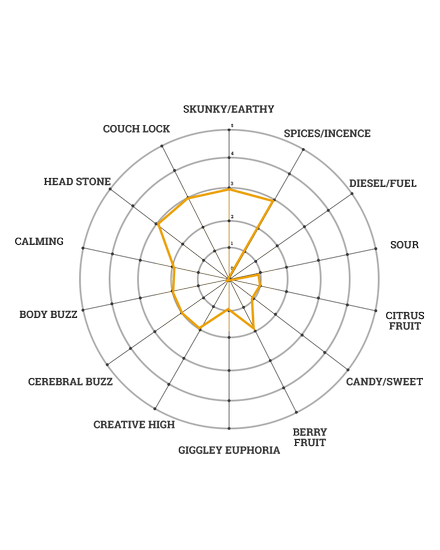
Crystal combines White Widow and Northern Lights genetics, producing an indica-dominant hybrid with a manageable structure and resin-rich flowers.
Its estimated 8–10-week flowering period makes it an option for temperate climates with sufficient time for maturity.
Crystal offers a balance between plant size and advertised yield potential, appealing to growers who prefer contained growth over tall sativa varieties.
However, its dense flowers may retain moisture during prolonged rainfall. Its genetic background does not establish reliable resistance to fungal disease.
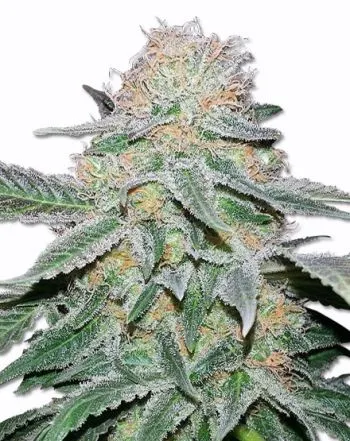
| THC % | Up to 18% |
|---|---|
| Flowering Time | 8–10 Weeks |
| Outdoor harvest | End of March to Early April |
| Yield | 400–500 g/m² |
| Indica/Sativa | Indica Dominant |
| Height | Medium: 100–180 cm |
| Difficulty | Easy |
| CBD Content | Less than 1% |
| Climate | Cool, Temperate, Warm |
| Seed Type | Feminized |
| Genetics | White Widow and Northern lights |
| Effects | Uplifting |
| Taste | Skunk , Diesel , Sweet |
| Terpene | Linalool , Beta-Caryophyllene , Limonene |
5. Northern Lights — For Limited Outdoor Space
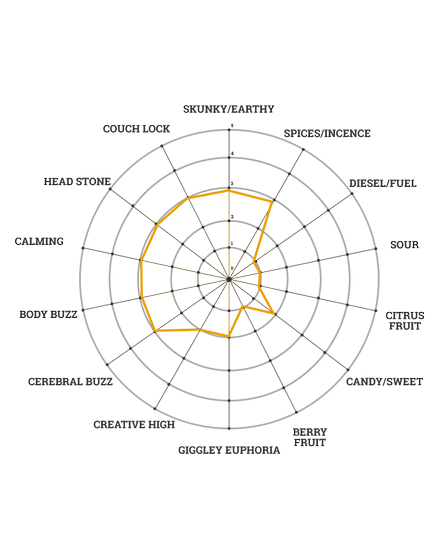
Northern Lights is an established indica-dominant variety recognised for its comparatively compact growth.
Its main advantage is manageable plant height, making it appealing where outdoor space is limited. This contrasts with taller varieties such as Durban Poison.
MSNL lists an estimated flowering period of 8–10 weeks and identifies warm, relatively dry conditions among its preferred environments.
For beginners seeking traditional indica genetics, Northern Lights offers straightforward growth characteristics. However, its compact structure does not guarantee suitability for persistently wet or cold conditions.

| THC % | Up to 18% |
|---|---|
| Flowering Time | 8–10 Weeks |
| Outdoor harvest | March |
| Yield | 400–500 g/m² |
| Indica/Sativa | Indica Dominant |
| Height | Medium: 100–180 cm |
| Difficulty | Medium |
| CBD Content | Less than 1% |
| Climate | Arid, Mould Resistant, Warm |
| Seed Type | Feminized |
| Genetics | Afghani Landrace x Thai Landrace |
| Effects | Relaxing |
| Taste | Pine, Spicy, Earthy |
| Terpene | Myrcene, Caryophyllene, Limonene |
6. Skunk #1 — For Beginner Growers
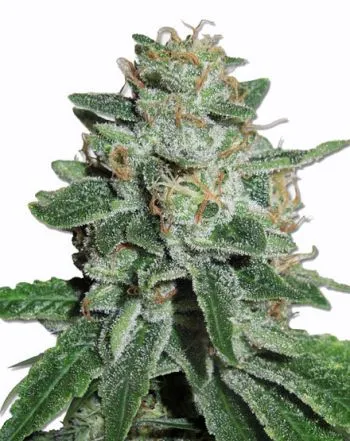
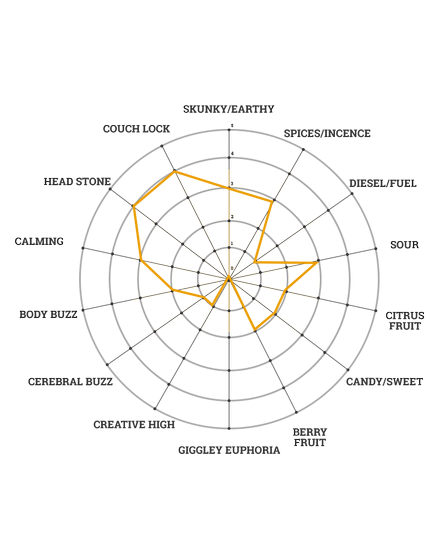
Skunk #1 is an established hybrid recognised for its relatively straightforward growth and distinctive Skunk aroma.
Its estimated 8–10-week flowering period and familiar growth characteristics make it an accessible option for beginners.
Skunk #1 is a sensible choice for growers prioritising manageable development rather than unusual characteristics or exceptionally high advertised yields.
MSNL describes the variety as resistant to fungal disease, although environmental conditions still influence infection risk.
It is also a useful starting point when comparing other beginner-friendly cannabis strains.
| THC % | Up to 18% |
|---|---|
| Flowering Time | 8–10 Weeks |
| Outdoor harvest | March |
| Yield | 300–400 g/m² |
| Indica/Sativa | Indica Dominant |
| Height | Medium: 100–180 cm |
| Difficulty | Easy |
| CBD Content | Less than 1% |
| Climate | Mould Resistant, Sub Tropical |
| Seed Type | Feminized |
| Genetics | Afghani x Mexican Acapulco Gold x Colombian Gold |
| Effects | Relaxing, Uplifting |
| Taste | Skunk, Pungent, Tobacco |
| Terpene | Myrcene, Limonene, Pinene |
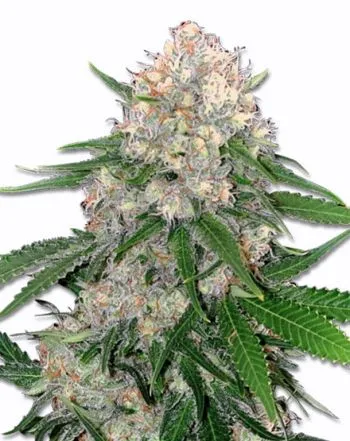
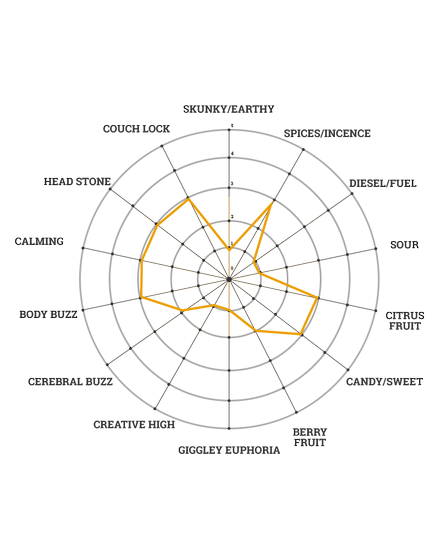
7. Critical — For High Outdoor Yield Potential
Critical is an indica-dominant hybrid developed from Critical Mass genetics, known for substantial flower production.
MSNL lists outdoor heights of 180–220 cm, an 8–10-week flowering period and a late-September harvest estimate in the Northern Hemisphere.
Choose Critical if yield potential is a priority and sufficient growing space is available.
Its main limitation is flower density. Large, compact flower clusters can retain moisture, increasing concerns about fungal disease during wet autumn weather. Critical is therefore more appealing where conditions remain relatively dry towards harvest.
| THC % | Up to 18% |
|---|---|
| Flowering Time | 8–10 Weeks |
| Outdoor harvest | End of March to Early April |
| Yield | Over 600 g/m² |
| Indica/Sativa | Indica Dominant |
| Height | Tall: 180–220 cm |
| Difficulty | Easy |
| CBD Content | Less than 1% |
| Climate | Cool, Temperate, Warm |
| Seed Type | Feminized |
| Genetics | Critical Mass |
| Effects | Relaxing |
| Taste | Tar , Nutty, Woody |
| Terpene | Pinene , Ocimene, Terpinolene |
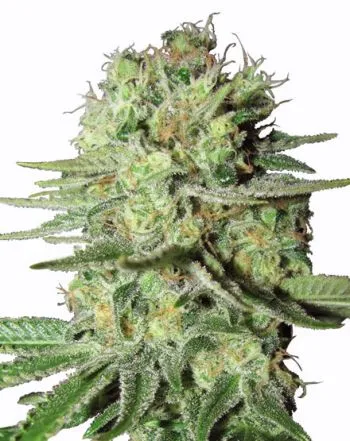
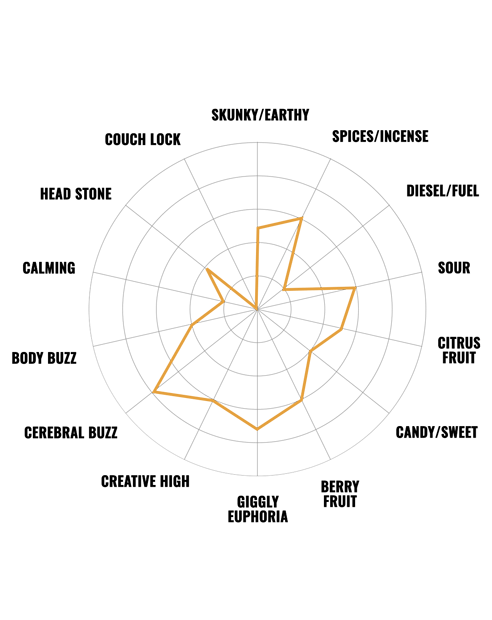
8. Durban Poison — For Warm, Sunny Climates
Durban Poison has South African landrace heritage and produces tall, sativa-dominant plants.
MSNL identifies warm, relatively dry and subtropical environments among its suitable conditions, with an estimated flowering period of 8–10 weeks.
Its substantial vertical growth makes it attractive to growers with plenty of sunlight and available space, but less practical where height is restricted.
Durban Poison also appeals to those interested in traditional landrace cannabis genetics, although regional ancestry alone does not guarantee tolerance to particular climates.
| THC % | Up to 24% |
|---|---|
| Flowering Time | 8–10 Weeks |
| Outdoor harvest | Mid April |
| Yield | 500–600 g/m² |
| Indica/Sativa | Pure Sativa |
| Height | Tall: 180–220 cm |
| Difficulty | Easy |
| CBD Content | Less than 1% |
| Climate | Mould Resistant, Sub Tropical, Tropical, Warm |
| Seed Type | Feminized |
| Genetics | Original African Strain x Dutch Skunk |
| Effects | Uplifting |
| Taste | Spicy, Vanilla, Sweet |
| Terpene | Terpinolene, Myrcene, Ocimene |
9. Hindu Kush — For Sturdy Indica Growth
Hindu Kush originates from traditional genetics associated with the mountainous Hindu Kush region.
Its sturdy indica structure and estimated 8–10-week flowering period make it an option for growers who prefer compact growth over tall sativa varieties.
Hindu Kush offers established landrace characteristics rather than the complex genetics of many modern hybrids.
MSNL describes broad environmental adaptability, but mountainous ancestry does not guarantee frost resistance. Local temperatures and growing season length remain important when assessing its outdoor suitability.

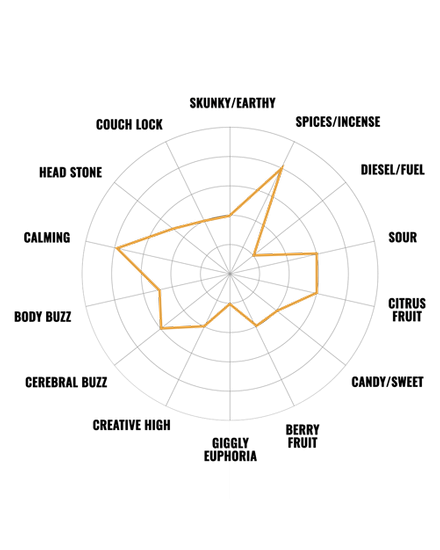
| THC % | Up to 18% |
|---|---|
| Flowering Time | 8–10 Weeks |
| Outdoor harvest | March |
| Yield | 400–500 g/m² |
| Indica/Sativa | Pure Indica |
| Height | Medium: 100–180 cm |
| Difficulty | Easy |
| CBD Content | Less than 1% |
| Climate | Cool, High Altitude, Sub Tropical, Temperate, Warm |
| Seed Type | Feminized |
| Genetics | Landrace |
| Effects | Calming, Relaxing |
| Taste | Herbal, Lemon, Pine |
| Terpene | Limonene, Caryophyllene, Myrcene |
10. Amnesia Fast Flowering — For a Shorter Flowering Window
Amnesia Fast Flowering was developed to retain characteristics associated with traditional Amnesia genetics while reducing flowering duration.
Conventional Amnesia Haze is advertised at 12–14 weeks of flowering, compared with 6–8 weeks for this variety.
This makes it appealing to growers seeking sativa-dominant Amnesia genetics without such an extended flowering period.
However, faster flowering does not guarantee earlier outdoor maturity, which also depends on seasonal daylight changes.
Understanding fast-flowering cannabis genetics helps explain this distinction.

| THC % | Up to 24% |
|---|---|
| Flowering Time | 6–8 Weeks |
| Outdoor harvest | March |
| Yield | 400–500 g/m² |
| Indica/Sativa | Sativa Dominant |
| Height | Medium: 100–180 cm |
| Difficulty | Medium |
| CBD Content | Less than 1% |
| Climate | Arid, Sub Tropical, Tropical, Temperate, Warm |
| Seed Type | Feminized |
| Genetics | Amnesia x Secret Hybrid |
| Effects | Calming, Creative, Uplifting |
| Taste | Citrus, Earthy, Fruity |
| Terpene | Beta-Caryophyllene, Myrcene, Terpinolene |
How to Choose Outdoor Strains for Your Climate
Before selecting seeds, consider the conditions your region experiences throughout the growing season, particularly as autumn approaches.
| Climate | What to prioritise |
| Cool or short-season | Earlier maturity |
| Humid or rainy | Reduced susceptibility to fungal disease |
| Hot and dry | Documented heat and moisture-stress tolerance |
| Temperate | Reliable seasonal flowering |
| Higher altitude | Suitable temperature tolerance and maturity window |
Stack et al. (2021) examined 30 high-CBD hemp cultivars across two field sites and identified differences in growth, flowering time and disease resistance.
Although the study involved hemp rather than the specific strains listed here, it demonstrates that genetic and environmental differences can influence plant performance.
Growers in particularly warm regions should also consider how arid and dry climates differ from tropical and wet environments.
Grower Tip: Look beyond summer temperatures and check the usual rainfall and temperature patterns approaching autumn. Conditions during the final weeks of flowering can be very different from those earlier in the season.
Common Mistakes When Choosing Outdoor Strains
A common mistake is selecting genetics that require more time to mature than the local season allows.
Another is treating advertised yields as guaranteed results. Outdoor performance varies with environmental conditions, available space and individual plant development.
Disease resistance is also frequently misunderstood. No cannabis variety is completely protected from fungal infections.
Grower Tip: Use breeder information to compare flowering times, height and potential yields, but treat these figures as estimates rather than guaranteed results.
Conclusion
The best outdoor strains are those suited to your local climate, growing season and available space. Holland's Hope offers characteristics associated with outdoor resilience, Critical is known for high yield potential, and Durban Poison is suited to warm, sunny environments.
For beginners, choosing suitable genetics matters more than selecting the highest THC percentage or biggest advertised yield. Understanding each strain's characteristics and limitations will help you make a more informed choice.
Frequently Asked Questions
Are fast-flowering strains the same as autoflowers?
No. Fast-flowering photoperiod strains respond to changes in daylight, while autoflowers begin flowering primarily according to their age. Both may have shorter growing cycles, but their flowering patterns differ.
How should I compare outdoor cannabis yields?
Check whether breeder figures are expressed in grams per plant or grams per square metre. These measurements are not directly comparable, and advertised indoor yields should not be used as expected outdoor results.
Can outdoor harvest dates differ between countries?
Yes. Harvest dates depend on latitude, seasonal conditions and genetics. Northern Hemisphere harvest estimates should not be applied directly to Southern Hemisphere locations, where the seasons are reversed.
Does purple cannabis tolerate colder climates?
Not necessarily. Purple pigmentation is influenced by genetics and environmental factors, including temperature. Colour alone does not indicate a strain's ability to tolerate cold conditions.
Are feminized seeds suitable for outdoor growing?
Yes. Feminized seeds are bred to produce predominantly female plants, reducing the likelihood of male plants compared with regular seeds. However, climate suitability and flowering time remain important when choosing a variety.
References
- Steel, L., et al. (2023). Comparative genomics of flowering behavior in Cannabis sativa. Frontiers in Plant Science, 14, 1227898.
- Punja, Z. K. (2021). Emerging diseases of Cannabis sativa and sustainable management. Pest Management Science, 77(9), 3857–3870.
- Stack, G. M., et al. (2021). Season-long characterization of high-cannabinoid hemp (Cannabis sativa L.) reveals variation in cannabinoid accumulation, flowering time, and disease resistance. GCB Bioenergy, 13(4), 546–561.

