




Aphids on cannabis can be easy to miss at first, but a small colony can quickly develop into a much larger pest problem if left untreated. These tiny sap-feeding insects gather around leaf undersides, stems, and fresh growth, where they can cause yellowing, distorted leaves, slower development, and sticky honeydew buildup.
For growers dealing with aphids on weed plants, early identification makes control considerably easier. Sticky leaves can also create confusion, particularly when growers are trying to determine whether the residue is normal cannabis resin or honeydew produced by feeding aphids.
This guide explains how to identify aphids on cannabis, recognise the damage they cause, and remove them using practical methods suited to cannabis plants. It also covers how to prevent another infestation, monitor plants after treatment, and manage aphids carefully during flowering when treatment options become more limited.
Key Takeaways
- Aphids on cannabis are sap-feeding pests that commonly gather on leaf undersides, stems, and fresh growth, where heavy infestations can cause yellowing, distorted leaves, wilting, and slower development.
- Sticky cannabis leaves may be caused by aphid honeydew rather than resin. Honeydew can leave shiny, tacky patches on foliage and may also encourage black sooty mould.
- Early detection makes aphids much easier to control. Regularly inspect new growth, leaf undersides, stems, and nearby plants, using magnification if necessary.
- The best control approach combines physical removal with follow-up treatment. Water rinses, selective pruning, insecticidal soap, and beneficial insects can all play a role depending on the severity and growth stage.
- Prevention is just as important as treatment. Quarantine incoming plants, keep the grow area clean, use sticky cards to monitor winged aphids, and continue checking plants after the infestation appears to be gone.
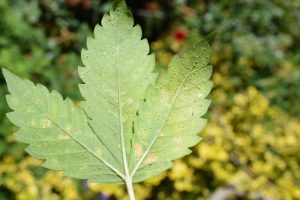
What are aphids on cannabis and what damage can they cause?
Aphids are tiny, soft-bodied insects that feed by piercing plant tissue and drawing sap from leaves, stems, and fresh growth. Most measure only a few millimeters long, which makes early infestations easy to overlook. They commonly gather in colonies on the undersides of leaves and around tender new growth, where they have easy access to the plant's nutrient-rich sap.
On cannabis, a small number of aphids may cause little noticeable damage. Problems develop when populations increase and repeated feeding begins to interfere with healthy growth. Heavy infestations can lead to yellowing leaves, distorted growth, wilting, sticky foliage, and reduced plant performance.
What is the cannabis aphid (Phorodon cannabis)?
The cannabis aphid, Phorodon cannabis, is a species specifically associated with cannabis and hemp. It has a soft, pear-shaped body, long antennae, and two small tube-like structures called cornicles near the rear of its body.
Cannabis aphids may appear pale yellow, cream, green, pink, or light brown, so identifying them by colour alone can be unreliable. Both winged and wingless aphids may be present. Growers are more likely to find them clustered beneath leaves, along stems, around petioles, and close to fresh growth.
Grower tip: Use a 10× hand lens when inspecting suspicious insects. Check beneath several nearby leaves rather than stopping after finding one colony, as aphids can already be spreading through the canopy.
Why aphids multiply so quickly on cannabis plants
Aphids can develop into a serious infestation quickly because females can reproduce asexually during the growing season. Instead of needing to mate, females can give birth to live female nymphs that mature and begin reproducing themselves.
This creates overlapping generations and allows a small colony to become much larger in a relatively short period. Winged aphids may also develop when populations become crowded, helping the infestation spread to neighboring cannabis plants.
How aphids feed on cannabis and weaken plant growth
Aphids use piercing-sucking mouthparts to access phloem sap. Continuous feeding removes resources the plant uses for growth and development.
| Infestation level | What growers may notice |
| Low | Small colonies with little visible plant damage |
| Moderate | Yellowing, curled leaves and slower new growth |
| Heavy | Wilting, stunting, sticky honeydew and declining plant health |
Aphids also excrete a sugary waste product called honeydew, which can leave cannabis leaves shiny or sticky and encourage the development of sooty mould.
Can aphids damage cannabis flowers and reduce yields?
Yes. Heavy aphid populations can weaken overall growth and reduce the plant's ability to develop healthy flowers. Aphids may also move onto stems and flowering sites, leaving behind honeydew and shed skins that can contaminate developing buds.
The earlier aphids are identified and controlled, the better. Dense flowers are more difficult to treat safely, so preventing a small vegetative-stage infestation from reaching flowering is far easier than dealing with established colonies around mature buds.
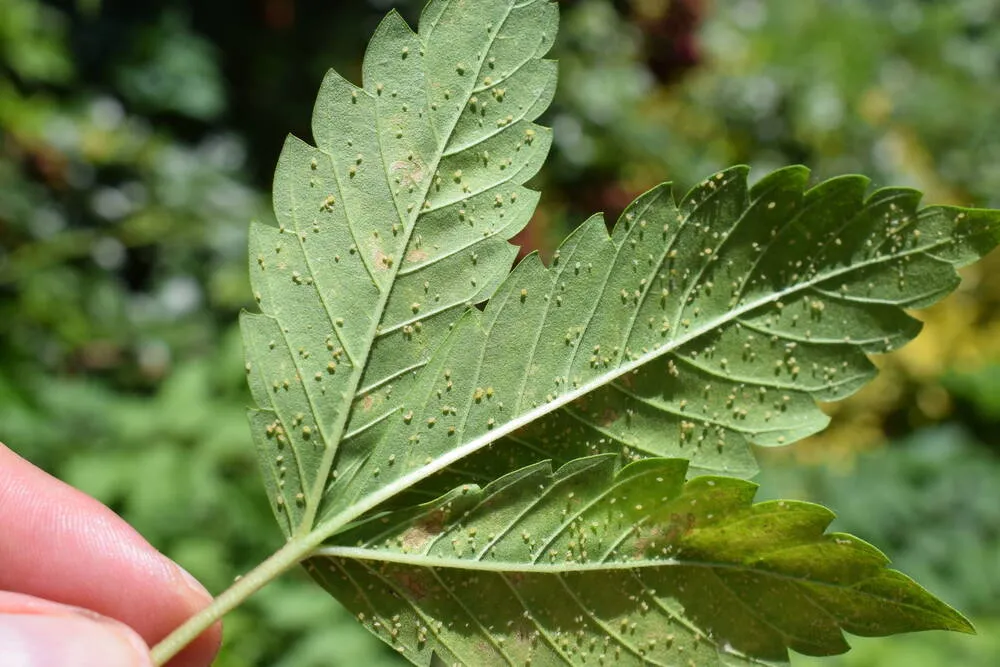
How to identify aphids on weed plants
Aphids can be difficult to notice when only a few are present, so the best way to identify an infestation is to inspect the plant methodically rather than relying on one symptom. Look for the insects themselves, then check for honeydew, shed skins, leaf changes, and other signs that confirm aphids are actively feeding.
What do aphids look like on cannabis?
Cannabis aphids are small, soft-bodied insects with pear-shaped bodies, long antennae, and two tube-like structures called cornicles near the rear of the abdomen. They may be cream, yellow, green, pink, or light brown, while some mature adults develop transparent wings.
Young aphids, called nymphs, look like smaller versions of the adults. Because colour varies, body shape and where the insects are gathering are better identification clues than colour alone.
Grower tip: Use a 10× hand lens or your phone camera zoom. If you can see a pear-shaped body, long antennae, and cornicles, you are much closer to confirming aphids.
Where to check leaves, stems, new growth and buds for aphids
Start with the newest growth at the top of the plant. Gently turn over several leaves and inspect the undersides, then follow each leaf back toward its petiole and stem.
Check nodes, branch junctions, fresh shoots, and the stems surrounding developing flowers. Aphids often gather together, so finding one colony should prompt you to inspect the entire plant and any neighboring cannabis plants.
I would avoid simply looking across the canopy. Small colonies can sit tightly against the underside of a leaf and remain almost invisible from above.
Sticky resin or aphid honeydew on cannabis: how to tell the difference
A sticky cannabis leaf does not always indicate resin. Feeding aphids excrete honeydew, a clear, sugary waste that can leave leaves and stems shiny or tacky.
Cannabis resin is produced by cannabis trichomes and is normally concentrated around flowers and sugar leaves. Honeydew, by comparison, can appear on larger fan leaves and collect directly underneath an aphid colony.
If a normally non-sticky fan leaf suddenly develops shiny patches, inspect the foliage and stems above it. Honeydew can fall from aphids feeding higher in the canopy.
Honeydew, white shed skins, sooty mould and ants: secondary signs of aphids
You may notice evidence of aphids before seeing the insects themselves. White shed skins can remain around feeding sites as nymphs develop. Accumulated honeydew may eventually support dark sooty mould.
Outdoor growers should also watch for ants repeatedly traveling along the same branches. Ants are attracted to aphid honeydew and can remain close to established colonies.
Aphids vs thrips, spider mites, whiteflies and root aphids
Use several symptoms together before deciding what pest you have.
| Symptom or sign | What it looks like | What it can indicate |
| Visible aphids | Small pear-shaped insects | Active aphid infestation |
| Aphid clusters | Groups beneath leaves or along stems | Established colony |
| Sticky leaves | Tackiness on foliage | Aphid honeydew |
| Shiny leaf patches | Clear or glossy residue | Fresh honeydew |
| White shed skins | Tiny pale flakes near insects | Developing aphid colony |
| Black sooty coating | Dark growth over sticky foliage | Sooty mold feeding on honeydew |
| Ant activity | Ants repeatedly climbing the plant | Honeydew-producing aphids nearby |
| Yellow leaves | Foliage gradually losing green color | Possible feeding stress |
| Curled leaves | Leaf margins twisting or curling | Feeding around tender tissue |
| Distorted new growth | Misshapen developing leaves | Aphids feeding on fresh growth |
| Wilting | Leaves losing firmness | Heavy feeding pressure |
| Winged insects | Aphid-shaped insects with clear wings | Colony may be spreading |
| Fine leaf stippling | Numerous tiny pale dots | More typical of spider mites |
| Fine webbing | Webs between leaves or stems | Spider mite infestation |
| Silver streaks | Silvery feeding scars | More typical of thrips |
| Bronze patches | Brown-bronze surface damage | Possible thrip feeding |
| White moth-like insects | Tiny white insects flying when disturbed | Whiteflies |
| Insects around roots | Pest activity concentrated below the soil line | Possible root aphids |
If several aphid-specific signs appear together, particularly visible colonies, honeydew, and shed skins, you can identify the problem with much greater confidence. Aphids are only one of several cannabis pests and diseases, so confirm the problem before choosing a treatment.
What damage do aphids cause to cannabis plants?
Aphids damage cannabis by inserting piercing-sucking mouthparts into plant tissue and feeding on phloem sap. A light infestation may cause few obvious problems, but as numbers increase, constant feeding can interfere with healthy growth, reduce plant vigor, and create secondary issues such as honeydew and sooty mould.
The severity of the damage usually depends on how large the colony becomes and how long it is allowed to remain on the plant.
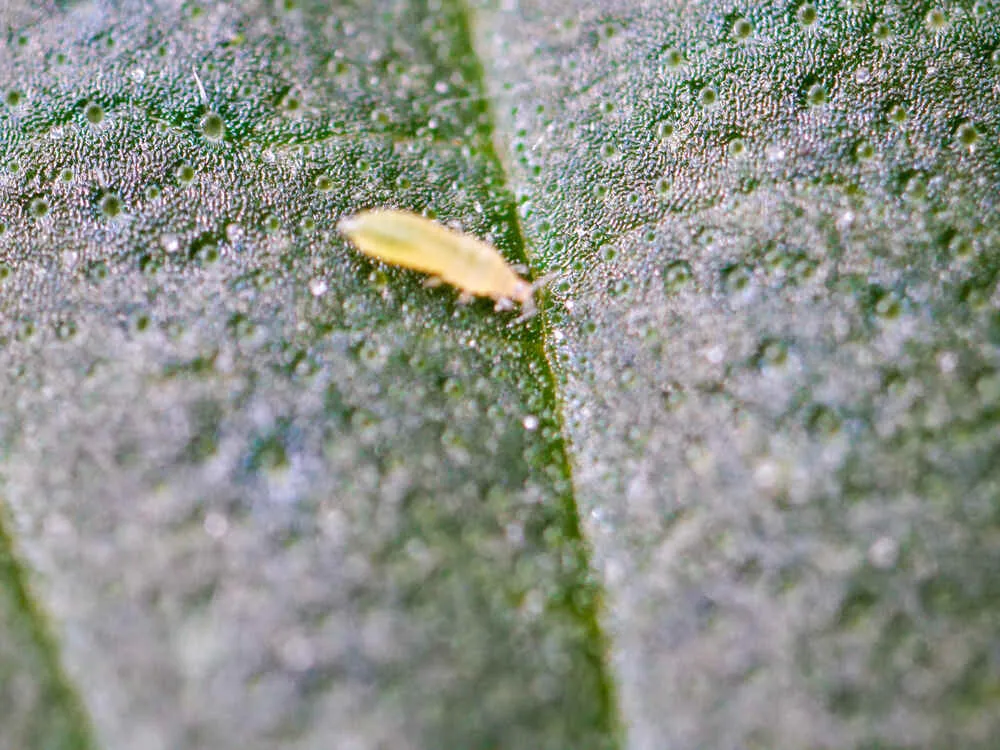
Yellowing leaves
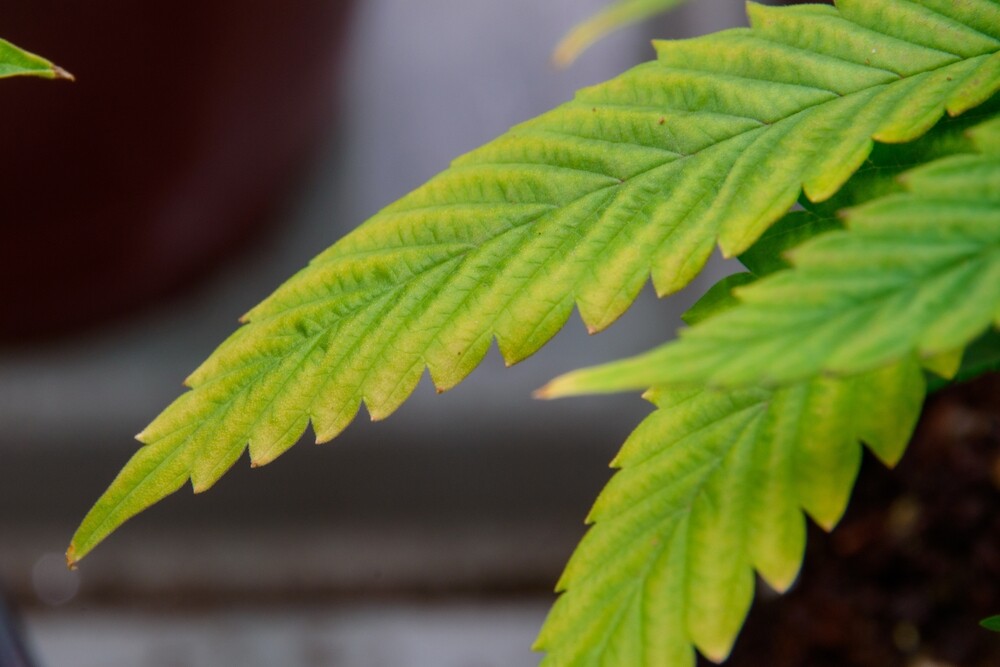
One of the first changes you may notice is foliage becoming pale or yellow. Large aphid populations continually remove sap from affected tissue, placing the plant under increasing feeding pressure.
Do not diagnose aphids from yellow leaves alone. Nutrient problems, watering mistakes, and several other issues can cause cannabis leaves to turn yellow, so confirm that aphids are actually present before choosing a treatment.
Curled and distorted leaves
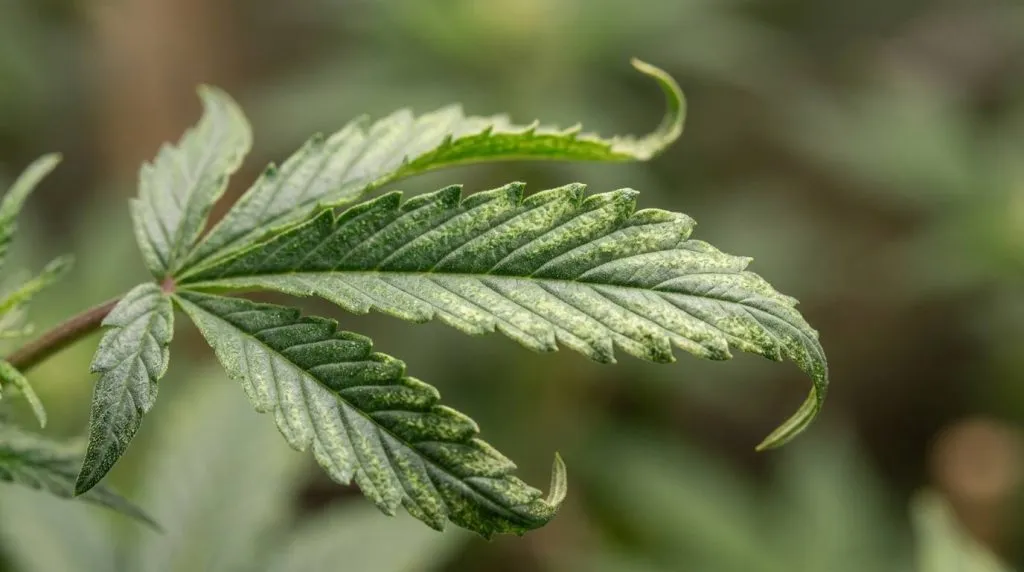
Aphids often target fresh, developing tissue. Feeding around young leaves can interfere with normal development, leaving new growth curled, twisted, or misshapen.
If fresh leaves suddenly begin deforming, turn them over and inspect the undersides rather than assuming the plant has a nutrient deficiency.
Slowed and stunted growth
As feeding pressure increases, cannabis plants may begin growing more slowly. Utah State University lists slowed growth and reduced vigor among the main symptoms associated with high cannabis aphid populations.
Young plants are particularly worth watching because sustained pest pressure during the cannabis vegetative stage can reduce the amount of healthy foliage and branching they produce.
Wilting and loss of plant vigor
Heavy infestations can leave plants looking weak or wilted even when watering conditions appear normal. This is different from assuming aphids simply “suck all the water” from a plant; the problem comes from sustained sap feeding and the overall stress created by a large population.
Grower tip: If a plant is wilting despite appropriate watering, inspect several leaf undersides and stems before adding more water. Overwatering a plant that is actually suffering from pest pressure can create a second problem.
Sticky honeydew buildup
Aphids excrete excess sugars as honeydew while feeding. This creates shiny or sticky deposits on leaves, stems, and other surfaces beneath a colony.
Honeydew does not directly chew or destroy the leaf, but heavy deposits reduce crop cleanliness and can create conditions for additional problems.
Sooty mould
Sooty mould fungi can grow on accumulated honeydew, producing a dark coating across affected surfaces. Heavy coverage can interfere with the amount of light reaching the leaf surface and further reduce plant performance.
Contaminated flowers
When aphids establish themselves around developing flowers, the problem is not limited to feeding damage. Insects, shed skins, honeydew, and sooty mould can contaminate flower material and reduce harvest quality.
This is one reason aphids are best controlled before colonies move deep into flowering sites, where treatment becomes more difficult.
Reduced growth and yield potential
A few aphids are unlikely to destroy an otherwise healthy cannabis plant. The concern is an infestation that is allowed to build.
| Aphid damage | What happens to the plant | Why it matters |
| Yellowing | Leaves lose healthy green coloration | Indicates increasing feeding stress |
| Leaf curling | New leaves become twisted or distorted | Healthy new growth is affected |
| Slowed growth | New shoots and branches develop more slowly | Less productive plant development |
| Wilting | Plant loses strength and firmness | Suggests heavy pest pressure |
| Honeydew | Sticky residue coats plant surfaces | Encourages contamination and sooty mold |
| Sooty mold | Dark fungal growth develops on honeydew | Can reduce light reaching leaves |
| Flower contamination | Aphids and debris collect around buds | Reduces final crop quality |
| Reduced vigor | Overall plant performance declines | Heavy infestations may limit yield potential |
The key point for growers is that aphid damage becomes progressively worse as the population increases. Finding and controlling a colony while it is still small is far easier than trying to restore a heavily infested cannabis plant later in flowering.
How to get rid of aphids on cannabis and prevent them from coming back
Getting rid of aphids on cannabis is much easier when you follow a simple process rather than relying on one treatment. The goal is to reduce the existing population, stop it from spreading, and keep checking the plants until no live aphids remain.

What to do in the first 24 hours after finding aphids
If you find aphids, work through the grow in this order.
First, move the affected plant away from healthy plants where possible. Then inspect every nearby plant, paying particular attention to leaf undersides, fresh shoots, stems, and branch junctions.
Remove leaves that are heavily covered in aphids and place them directly into a sealed bag. Do not leave infested foliage on the grow-room floor or compost it beside outdoor plants.
Next, remove as many remaining aphids as possible using water or by hand. Finally, clean up fallen leaves and plant debris around the growing area.
Grower tip: Deal with the visible population before reaching for a spray. Physically removing most of the colony first makes any follow-up treatment easier and more effective.
Remove aphids with water, pruning and manual control
For a small or moderate infestation, gently turn affected leaves over and use a controlled stream of water to dislodge aphids.
Use enough pressure to knock insects away without tearing the leaf or damaging young shoots. Focus on leaf undersides and stems rather than soaking the entire plant unnecessarily.
On smaller plants, aphids can also be wiped away by hand. If one leaf carries a particularly dense colony, removing that leaf may be easier than trying to clean every insect from it.
Allow the plant to dry, then inspect it again after 24–48 hours. Any surviving aphids can begin rebuilding the colony.
How to use insecticidal soap and contact treatments safely
If physical removal is not enough, an insecticidal soap or another appropriately labeled contact treatment may be considered.
Because these treatments work through direct contact, coverage matters. Spray the affected leaves and stems carefully, including the undersides where aphids tend to gather, rather than simply misting the top of the canopy.
Always follow the product label for dilution, application frequency, crop suitability, and harvest restrictions. Avoid experimenting with strong homemade mixtures that could burn foliage or leave unwanted residues.
Beneficial insects for controlling cannabis aphids
Beneficial predators can be useful when growing with an integrated pest management approach.
Common aphid predators include green lacewing larvae, aphid midges, lady beetles, and appropriate parasitoid wasps.
If you use beneficial insects, check whether any pesticide or soap already applied is compatible with them. Releasing predators immediately after a treatment that can also kill beneficial insects defeats the purpose.
How to treat aphids during flowering
The cannabis flowering stage requires extra care because sprays can contact developing buds and treatment options become more limited as flowers increase in density.
When aphids appear around flowers, prioritise manual removal, targeted pruning, and biological controls where suitable. Avoid unnecessarily soaking buds with soaps, oils, or other treatments.
If a product is being considered during flowering, confirm that the label permits use on the crop and at that stage of development.
This is one reason treating aphids on weed plants early in vegetative growth is much easier than dealing with established colonies inside dense buds.
| Treatment | Best use | Advantage | Limitation |
| Water rinse | Small early colonies | No pesticide residue | Needs repeat inspection |
| Hand removal | Localized infestation | Precise and simple | Slow on large plants |
| Pruning | Heavily infested leaves | Removes colonies immediately | Removes some foliage |
| Insecticidal soap | Active foliar colonies | Effective with direct coverage | Must contact the aphids |
| Beneficial insects | Ongoing pest management | Provides continuing control pressure | Requires suitable conditions |
How to prevent aphids from coming back

For growers raising indoor cannabis seeds, aphid prevention starts before a new clone or plant enters the main grow space.
Keep new clones or plants separate from the main crop initially and inspect their leaves and stems carefully. Clean away dead foliage, weeds, and plant debris that could make pest monitoring more difficult.
Place yellow sticky cards around the growing area to help detect winged aphids. They are useful for monitoring, not for eliminating colonies already feeding on plants.
Growers working with outdoor cannabis seeds should also watch for repeated ant activity around stems, as ants are attracted to aphid honeydew and may protect colonies from predators. Ants are attracted to aphid honeydew and may protect aphid colonies from predators.
How to know if the treatment is working
Inspect treated plants again after 24–48 hours, then continue checking every 2–3 days until you stop finding live aphids.
Do not judge treatment success from old yellowing or damaged leaves, because previous damage may remain visible. Instead, look for fewer live insects, no new colonies, and clean new growth.
Once the aphids appear to be gone, continue routine inspections. Finding five aphids early is far easier to manage than discovering another established colony several weeks later.

Conclusion
Aphids on cannabis are easiest to control when growers recognise the problem early and act before colonies spread through the canopy or into developing flowers. Inspect leaf undersides and new growth regularly, remove visible aphids first, and use appropriate follow-up controls where necessary. Once the infestation is under control, quarantine incoming plants, keep the grow clean, and continue monitoring for renewed activity. A consistent inspection routine is the most effective way to stop a small aphid problem from becoming a much larger one.
Frequently asked questions about aphids on cannabis
Can aphids kill a cannabis plant?
A small aphid population is unlikely to kill a healthy cannabis plant, but a severe infestation can cause serious stress. Continuous feeding can lead to yellowing, distorted growth, wilting, reduced vigor, and poorer flower development. Young or already stressed plants are generally more vulnerable, which is why early control matters.
Why are my cannabis leaves sticky when I have aphids?
The sticky substance is often honeydew, a sugary waste product produced by feeding aphids. It can coat leaves and stems and may eventually support black sooty mould. Check above and below sticky areas for aphid colonies and white shed skins before assuming the residue is normal cannabis resin.
Are aphids on weed plants dangerous during flowering?
Aphids become more difficult to manage during flowering because colonies can move around developing buds and leave behind honeydew, shed skins, and insects. Treatment options are also more limited because growers should avoid unnecessarily coating flowers with sprays. Catching aphids during vegetative growth is therefore preferable.
Will aphids come back after treatment?
They can. A few surviving aphids may rebuild a colony, while winged adults can also reach plants from elsewhere. Inspect treated cannabis after 24–48 hours and continue checking every 2–3 days until no live aphids or new colonies appear. Regular monitoring should continue afterward.
Can you harvest cannabis plants that have had aphids?
A previous aphid infestation does not automatically mean the crop is unusable. What matters is the condition of the flowers at harvest. Inspect buds carefully for live insects, shed skins, honeydew, sooty mould, and any residues from treatments. Flowers that remain heavily contaminated or mouldy should not be treated as normal clean material.


