




If you have ever wondered how feminized seeds are made, the process comes down to using a female cannabis plant to produce pollen that can fertilize another female. The result is feminized cannabis seeds that are bred to grow into female plants rather than producing the usual mix of males and females found with regular seeds.
For growers, this can make cultivation much easier to plan. Feminized seeds reduce the need to identify and remove male plants, helping make better use of space, lighting, nutrients, and time.
In this guide, we explain what feminized seeds are, how breeders make them, the difference between STS and colloidal silver, and whether feminized seeds can still produce male or intersex flowers. We also look at the main benefits of feminized seeds and how they compare with regular cannabis seeds.
Key Takeaways
- Feminized seeds are bred to produce female cannabis plants, making them a popular choice for growers focused on flower production.
- Feminized seeds are usually made by reversing a female plant so it produces pollen that can be used to fertilize another female.
- Silver thiosulfate (STS) and colloidal silver are two of the main feminization methods, with STS generally giving more consistent results.
- Feminized does not mean genetically identical or completely risk-free; plants can still vary, and stress or unstable genetics can sometimes lead to male or intersex flowers.
- For most growers, feminized cannabis seeds make plant planning easier because there is far less chance of having to remove unwanted male plants later in the grow.
What Are Feminized Cannabis Seeds?
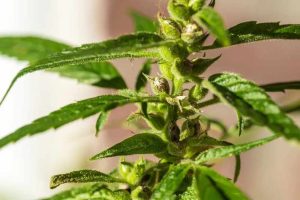
Feminized cannabis seeds are bred to produce female plants, which makes them a popular choice for growers who want flowers rather than pollen-producing males. With regular seeds, growers may end up with a mix of male and female plants, so males usually need to be identified and removed once the plants begin showing their sex.
Choosing feminized seeds makes that process much easier. Growers can make better use of their space, lights, nutrients, and growing medium because almost every plant is expected to be female.
Feminized seeds are not genetically modified. They are made using pollen from a genetically female cannabis plant. This pollen carries an X chromosome, and when it fertilizes another female plant, the resulting seeds receive an X chromosome from both parents.
It is important to understand that feminized does not mean identical. Plants grown from the same batch of seed can still differ in height, shape, flowering time, aroma, and cannabinoid levels.
If you are deciding which seed type suits your grow, our guide to feminized vs. regular cannabis seeds explains the main differences in more detail.
| Feminized Seeds | Regular Seeds |
| Produce overwhelmingly female plants | Can produce male or female plants |
| Easier to plan plant numbers | Males may need to be removed |
| Commonly used for flower production | Often used for breeding |
| Plants can still vary in their traits | Plants can also vary significantly |
Grower Tip: Still check your plants carefully during flowering. Feminized seeds greatly reduce the chance of males, but genetics and environmental stress can sometimes lead to male flowers appearing on an otherwise female plant. Knowing the early signs of a hermie can help you spot this before pollen spreads.
How Are Feminized Seeds Made?
So, how are feminized seeds made? Breeders start with a genetically female cannabis plant and encourage it to produce male flowers that contain pollen. This process is usually called sex reversal.
The pollen produced by the reversed female carries an X chromosome. It can then be used to pollinate another female plant, which also contributes an X chromosome. The seeds produced from this pollination are therefore expected to grow into female plants.
The two best-known methods are silver thiosulfate (STS) and colloidal silver. Both work by interfering with ethylene signaling in the plant, which plays a role in female flower development. Other methods, such as gibberellic acid and rodelization, have also been used, but they are generally less consistent.
Research has shown that STS can reliably encourage genetically female cannabis plants to produce fertile male flowers. Repeated applications of colloidal silver can also work, although results can depend on the cultivar, timing, treatment strength, and growing conditions.
Producing feminized seeds is only one part of breeding. It does not automatically make a strain stable or consistent. Breeders still need to choose good parent plants and test the offspring over time.
You can learn more about the role of male and female plants in our guide to cannabis plant sex and pollination.
Silver Thiosulfate (STS)
Silver thiosulfate, usually shortened to STS, is one of the most reliable methods breeders use to produce feminized cannabis seeds. It works by blocking the action of ethylene, a plant hormone involved in female flower development. This encourages a genetically female plant to produce male flowers containing pollen.
Research supports its effectiveness. A peer-reviewed study comparing several sex-reversal treatments found that STS successfully produced fertile male flowers on female cannabis plants. In one experiment, a single whole-plant application of STS produced substantially more male flowers than untreated plants.
STS does not make the plant genetically male. It temporarily changes how the treated plant expresses its flowers so breeders can collect X-bearing pollen for feminized seed production.
Grower Tip: Plants treated with STS should be kept for breeding purposes rather than flower consumption. Accurate application also matters, as stronger treatments can damage leaves and affect plant health.
Colloidal Silver
Colloidal silver works in a similar way to STS by interfering with ethylene signaling and encouraging a female cannabis plant to develop pollen-producing flowers.
The main difference is that colloidal silver usually needs to be applied repeatedly. In published research, a 30 ppm colloidal silver treatment applied daily produced an average of 293 male flowers per plant, while a single application produced almost no more male flowers than the untreated control.
This helps explain why growers may see mixed results with colloidal silver. The concentration, application schedule, cultivar, and timing can all affect how well a plant responds.
Grower Tip: Do not assume one application will be enough. Consistency is particularly important with colloidal silver, and any treated part of the plant should be reserved for breeding rather than consumption.
Gibberellic Acid
Gibberellic acid, or GA3, is a naturally occurring plant hormone that has also been studied as a way of changing sex expression in cannabis. Unlike STS and colloidal silver, however, its results appear to be less predictable.
In a 2021 study, spraying female cannabis plants with a 0.01% GA3 solution was ineffective at producing a useful number of male flowers under the conditions tested. The researchers found silver-based treatments to be much more successful.
That does not mean gibberellic acid can never influence cannabis sex expression. Different concentrations and cultivars may respond differently, but the available research gives growers less reason to rely on it compared with STS.
Grower Tip: For a first breeding project, GA3 is generally not the method to judge feminization by. Its response can vary, while STS has much clearer evidence behind it.
Rodelization
Rodelization takes a different approach because no silver treatment or plant hormone is applied. Instead, an unpollinated female cannabis plant is left in flower beyond its normal maturity. Some plants may respond by producing a small number of male flowers as a last attempt to reproduce.
The pollen from these flowers can sometimes be used to pollinate another female and create feminized seeds. The problem is consistency. Not every plant will produce usable pollen, and the amount produced is usually much lower than with a controlled reversal method such as STS.
There is also a breeding consideration. If a plant readily develops male flowers under stress or late in flowering, breeders need to be careful about selecting it as a parent, as unwanted intersex expression can have a genetic component.
Grower Tip: Rodelization may sound simpler because it does not require a silver treatment, but it gives the breeder less control. If predictable pollen production is the priority, a tested reversal method is generally easier to manage.
| Method | How It Works | Reliability | Main Consideration |
| STS | Blocks ethylene signaling | High | Effective but requires careful handling |
| Colloidal silver | Uses silver to interfere with ethylene | Good with repeated treatment | Usually needs frequent applications |
| Gibberellic acid | Alters plant hormone signaling | Less consistent | Published results vary |
| Rodelization | Relies on late-flowering sex expression | Unpredictable | Less pollen and less control |
How to Make Feminized Cannabis Seeds Step by Step
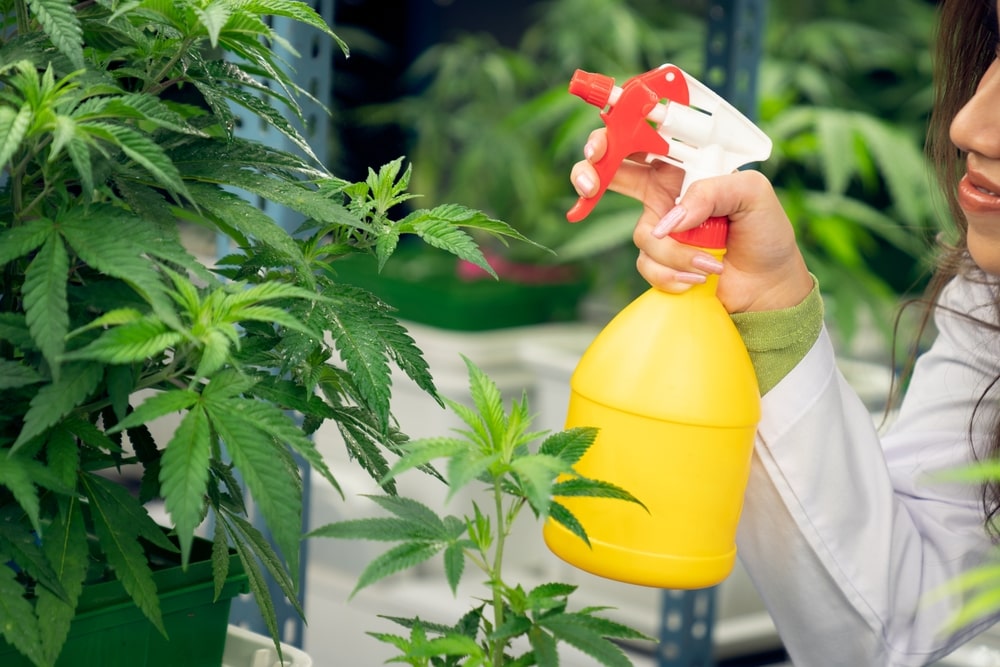
Making feminized cannabis seeds starts with a healthy female plant that you want to use as a parent. Part of that female is then reversed so it produces pollen-bearing flowers. That pollen is collected and used to fertilize another female plant, which then develops feminized seeds.
For most breeders, silver thiosulfate (STS) is the preferred reversal method because research has shown it can reliably produce fertile male flowers on genetically female plants. Colloidal silver can also work, although it normally requires repeated applications.
Step 1: Choose a Healthy Female Parent
Start with a healthy female plant showing the traits you want to carry forward. Depending on your goal, that might include plant structure, flowering time, aroma, cannabinoid profile, or overall performance.
Avoid choosing a parent simply because it is available. The genetics of the parent plant have a major influence on the resulting offspring.
Step 2: Decide Which Plant or Branch to Reverse
Next, choose where the pollen will come from. You can reverse a separate female plant or isolate a branch specifically for pollen production.
Keeping the pollen-producing plant or branch separate makes the process easier to control and reduces the chance of accidentally pollinating other flowering plants.
Step 3: Apply the Reversal Treatment
Apply your chosen reversal treatment around the beginning of flowering, following the directions for the specific product or method you are using.
With STS, the aim is to interfere with ethylene signaling so the genetically female plant develops male flowers. Colloidal silver works in a similar way, although it normally needs to be applied repeatedly.
Any plant or branch treated with silver-based products should be kept for breeding rather than consumption.
Step 4: Wait for Male Flowers to Develop
Over the following weeks, the treated areas should begin producing male flowers instead of normal female flowers.
The plant is still genetically female. The treatment only changes how the flowers are expressed.
Allow the pollen-producing flowers to mature before collecting pollen. Immature flowers may not release enough viable pollen for successful pollination.
Step 5: Collect the Pollen
Once the male flowers mature and begin opening, carefully collect the pollen. If you plan to keep it for later breeding, understanding how to collect and store cannabis pollen can help protect it from moisture and accidental contamination.
Cannabis pollen spreads very easily, so keep the reversed plant away from other flowering plants. Even a small amount of stray pollen can fertilize nearby female flowers.
Step 6: Pollinate a Female Plant
Apply the collected pollen to receptive flowers on the female plant you want to produce seeds. Once pollination has taken place, knowing how to tell if cannabis buds have been pollinated can help you recognize the changes that follow.
Many breeders pollinate only selected branches rather than the whole plant. Marking those branches makes it easier to keep track of where the seeds should develop.
The receiving female should already have developed receptive flowers before pollen is applied.
Step 7: Allow the Seeds to Mature
After successful pollination, the fertilized flowers begin developing seeds.
Do not harvest the seeds as soon as you can see them. They need time to mature fully on the plant. Mature cannabis seeds generally become harder and darker as they develop, although appearance can vary between strains.
Step 8: Harvest and Store the Seeds
Once the seeds have fully matured, remove them carefully from the dried flowers.
Let them finish drying before storage, then keep them somewhere cool, dark, and dry. Correctly storing cannabis seeds helps protect them from excess moisture, heat, and light until you are ready to use them.
Step 9: Test the Feminized Seeds
Producing seeds is only part of the process. Breeders should grow a sample of the offspring to check how consistently they develop as females and whether unwanted intersex traits appear.
Testing also shows how much variation there is in plant structure, flowering time, cannabinoid profile, and other characteristics. Feminization affects the expected sex of the offspring, but it does not automatically make a strain stable.
| Step | What You Are Looking For |
| Step 1 | Healthy female parent with suitable traits |
| Step 2 | A plant or branch selected for reversal |
| Step 3 | Successful reversal treatment |
| Step 4 | Mature pollen-producing flowers |
| Step 5 | Usable pollen collected without contamination |
| Step 6 | Receptive female flowers successfully pollinated |
| Step 7 | Seeds allowed to mature fully |
| Step 8 | Mature seeds dried and stored correctly |
| Step 9 | Offspring tested for sex expression and consistency |
For growers who only want female plants for flower production, going through this breeding process is usually unnecessary. Producing feminized seeds takes careful parent selection, controlled pollination, and testing to check that the resulting offspring are consistent.
STS vs. Colloidal Silver
STS and colloidal silver work in a similar way because both use silver to interfere with ethylene signaling. The main difference is how they are normally applied and how consistently they encourage male flower production.
STS is commonly favored by breeders because it can produce a strong response with fewer applications. Colloidal silver can also work, but repeated applications are usually needed to get a reliable result.
One peer-reviewed cannabis study found that repeated 30 ppm colloidal silver treatments successfully produced male flowers, while a single application had very little effect. STS produced a stronger response under the conditions tested.
| STS | Colloidal Silver |
| Often requires fewer applications | Usually applied repeatedly |
| Commonly used for controlled breeding | Often used on a smaller scale |
| Strong evidence for reliable sex reversal | Can work well with consistent treatment |
| Timing and concentration still matter | Frequency and concentration are important |
Neither method gives exactly the same result with every plant. Genetics, plant health, and growing conditions can all affect how well a female plant responds.
This is one reason reputable seed production depends on more than simply reversing a plant. Breeders also need to select suitable parents and test the resulting offspring for consistency before seeds are released.
Can Feminized Seeds Produce Male Plants?
Feminized cannabis seeds are bred to produce female plants, so a true genetically male plant should be uncommon. However, feminized does not mean there is absolutely no chance of unusual sex expression.
In some cases, a female plant may develop a small number of male flowers rather than becoming a true male plant. This can happen because of genetics, environmental stress, or a combination of the two.
That distinction matters. A plant showing a few pollen-producing flowers is not necessarily a normal male cannabis plant. It may be a female plant showing intersex traits.
Even when growing feminized seeds, it is still worth checking plants once flowering begins. If you are unsure what you are seeing, our guide on how to tell male and female cannabis plants apart explains the differences in more detail.
Do Feminized Seeds Have a Higher Risk of Hermaphroditism?
Feminized seeds are sometimes said to have a higher risk of hermaphroditism, but that is too simple. Well-bred feminized seeds are not automatically more likely to produce male flowers just because they have been feminized.
The genetics behind the seeds matter far more. If a breeder uses a parent with a strong tendency toward intersex expression, that trait may be more likely to appear in the offspring. Careful breeders therefore choose stable parent plants and test their lines before releasing seeds.
Growing conditions can also play a part. Severe stress, including major light interruptions, excessive heat, physical damage, or other sudden environmental changes, can encourage male flowers to appear on a female plant.
| Factor | Possible Effect |
| Unstable parent genetics | Can increase the chance of intersex traits |
| Poor parent selection | May pass unwanted traits to offspring |
| Severe environmental stress | Can trigger male flowers on female plants |
| Stable, tested genetics | Helps reduce unwanted sex expression |
| Consistent growing conditions | Reduces avoidable plant stress |
The key point is that feminization itself is only one part of the process. Seed quality also depends on parent selection, breeding work, and testing.
If you do notice unusual flowers during a grow, our guide to the early signs of a hermie can help you identify what is happening before pollen has a chance to spread.
Benefits of Feminized Seeds
The main benefit of feminized seeds is simple: growers can fill their space with plants that are expected to produce flowers. With regular seeds, some plants may turn out to be male and need to be removed, which means time, space, nutrients, and light may have already been used on plants you do not intend to keep.
For new growers, this can make planning a grow much easier. You can work out how many plants will fit comfortably in your available space without having to allow as much room for males that may later be discarded.
Feminized seeds also reduce the chance of accidental pollination from an unnoticed male plant. Once a female cannabis plant is pollinated, it starts putting more energy into seed production rather than developing the seedless flowers most growers are looking for.
They are also available across a wide range of plant types. At MSNL Seeds, growers can choose from feminized cannabis seeds with different flowering times, plant sizes, flavors, cannabinoid levels, and growing characteristics rather than being limited to one type of strain.
| Benefit | Why It Matters |
| Mostly female plants | Less time and space spent growing unwanted males |
| Easier grow planning | Plant numbers and available space are easier to manage |
| Lower pollination risk | Fewer male plants means less chance of accidental seed production |
| Better use of resources | Light, nutrients, and growing medium go toward plants you intend to keep |
| Wide strain choice | Growers can still choose by size, flowering time, effects, and other traits |
Feminized seeds do not remove every challenge from a grow. Plant health, environment, genetics, and general care still affect how the crop performs. Their main advantage is removing much of the uncertainty around plant sex.
Feminized vs. Regular Seeds
The biggest difference between feminized and regular cannabis seeds is the type of plants they are expected to produce.
Feminized seeds are bred so that almost every plant develops as female. Regular seeds can produce both male and female plants, which means growers usually need to identify the sex of each plant as flowering approaches.
For growers mainly interested in harvesting flowers, feminized seeds are usually the more straightforward option. Regular seeds still have an important place, particularly for breeders who want access to naturally occurring male plants for crossing and seed production.
| Feature | Feminized Seeds | Regular Seeds |
| Expected plant sex | Predominantly female | Male or female |
| Sexing plants | Usually less important | Normally required |
| Flower production | Convenient for flower-focused grows | Males may need removing |
| Breeding | Can be used for feminized breeding | Useful for traditional male × female breeding |
| Space efficiency | Easier to plan | Space may initially be used by males |
| Plant variation | Can vary between individual plants | Can also vary between plants |
Neither seed type is automatically better in every situation. The right choice depends on what you want from the grow.
If your aim is to produce flowers and keep plant numbers easy to manage, feminized seeds remove much of the uncertainty. If you want male plants for breeding or prefer working with traditional male and female populations, regular cannabis seeds may suit you better.
Conclusion
Feminized seeds are made by using a genetically female cannabis plant to produce pollen, usually through a controlled reversal method such as silver thiosulfate or colloidal silver. That pollen is then used to fertilize another female plant, producing seeds that are expected to grow into females.
For most growers, the main benefit is convenience. Feminized seeds make it easier to plan plant numbers, use grow space efficiently, and avoid spending time and resources on unwanted male plants.
The quality of the final seed still depends on good breeding. Parent selection, testing, genetic stability, and growing conditions all matter, which is why choosing seeds from an established breeder or seed bank is important.
Frequently Asked Questions
Are Feminized Seeds 100% Female?
Feminized seeds are bred to produce overwhelmingly female plants, but no seed should be treated as a 100% guarantee. Genetics, breeding quality, and environmental stress can sometimes lead to unexpected male or intersex flower development.
Are Feminized Seeds Genetically Modified?
No. Standard feminized cannabis seeds are not genetically modified. Breeders change the way a genetically female plant expresses its flowers so it can produce pollen, but this process does not involve directly altering the plant's DNA through genetic engineering.
Can You Breed With Feminized Seeds?
Yes. Feminized plants can be used in breeding projects, including producing more feminized seeds. However, good breeding still requires careful parent selection and testing. Simply crossing two feminized plants does not automatically create a stable or consistent strain.
How Long Do Feminized Seeds Take to Grow?
That depends on the strain and whether the seeds are photoperiod or autoflowering. Photoperiod strains remain in vegetative growth until the light cycle changes, while autoflowering seeds begin flowering according to age. Always check the expected flowering or seed-to-harvest time for the individual strain.
Are Feminized Seeds Better for Beginners?
They can make a first grow easier because growers do not usually need to identify and remove male plants. That makes plant numbers and available space easier to manage. Beginners should still choose a strain that suits their grow space, climate, flowering time, and experience level rather than choosing by seed type alone.


