




Do autoflowers produce seeds? Yes, autoflowering cannabis plants can develop viable seeds when pollen reaches receptive female flowers. Although most growers prefer seedless buds, unexpected pollination can lead to seed formation during flowering. This may result from nearby male autoflowers or pollen-producing structures developing on female plants.
Understanding why autoflowers produce seeds helps you identify unwanted pollination, protect your harvest, and make informed decisions about breeding. This guide explains how autoflower seeds develop, how to spot the early signs, and how to prevent unwanted seeds. You'll also learn how breeders select parent plants, manage seed production, and assess the quality of their offspring.
Key Takeaways
- Autoflowers can produce viable seeds when pollen reaches receptive female flowers, either through natural pollination or self-pollination.
- Unexpected seeds have several possible causes, including nearby male plants, airborne pollen, and intersex flower development.
- Swollen bracts and visible seed shells can indicate seed formation, although changes in flower appearance alone are not always reliable.
- Preventing unwanted seeds involves selecting suitable genetics, inspecting flowers regularly, controlling pollen exposure, and maintaining stable growing conditions.
- Producing quality autoflower seeds requires careful parent selection, suitable pollination timing, and sufficient time for seeds to mature before harvest.
Do Autoflowering Plants Produce Seeds?
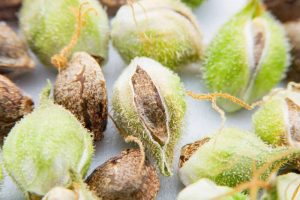
Yes, autoflowering cannabis plants can produce viable seeds when pollen reaches receptive female flowers. Automatic flowering determines when plants enter their reproductive stage but does not prevent seed development.
When pollen reaches a female flower, it can fertilise an ovule, which develops into a seed. Without pollination, autoflowers generally produce seedless buds known as sinsemilla, valued for their resin-rich trichomes and cannabinoid content.
Choosing feminized autoflowering seeds reduces the chance of unwanted male plants, although female autoflowers can still produce seeds if exposed to pollen.
Grower tip: Finding seeds does not automatically indicate poor genetics. Identify the possible pollen source before investigating other causes.
How Do Autoflowers Produce Seeds?
Autoflowers produce seeds through natural pollination, self-pollination, or controlled breeding using pollen from genetically female plants.
| Method | Pollen source | Expected outcome |
| Natural pollination | Male autoflower | Mixture of male and female offspring |
| Self-pollination | Female plant producing its own pollen | Predominantly female offspring, with possible inherited intersex traits |
| Controlled feminization | Selected female plant following sex reversal | Predominantly female offspring |
Natural Pollination in Autoflowering Plants
Natural pollination occurs when a male autoflower releases pollen that reaches receptive female flowers.
Male plants develop pollen sacs that open at maturity, allowing pollen to travel through moving air. Once a female flower receives compatible pollen, seeds can develop inside its protective bracts.
The resulting offspring inherit genetic characteristics from both parents, including traits related to flowering time, structure, and resin production.
Grower tip: Keep records of parent plants and their characteristics when assessing breeding results. This helps you identify desirable inherited traits.
Self-Pollination and Intersex Flower Development
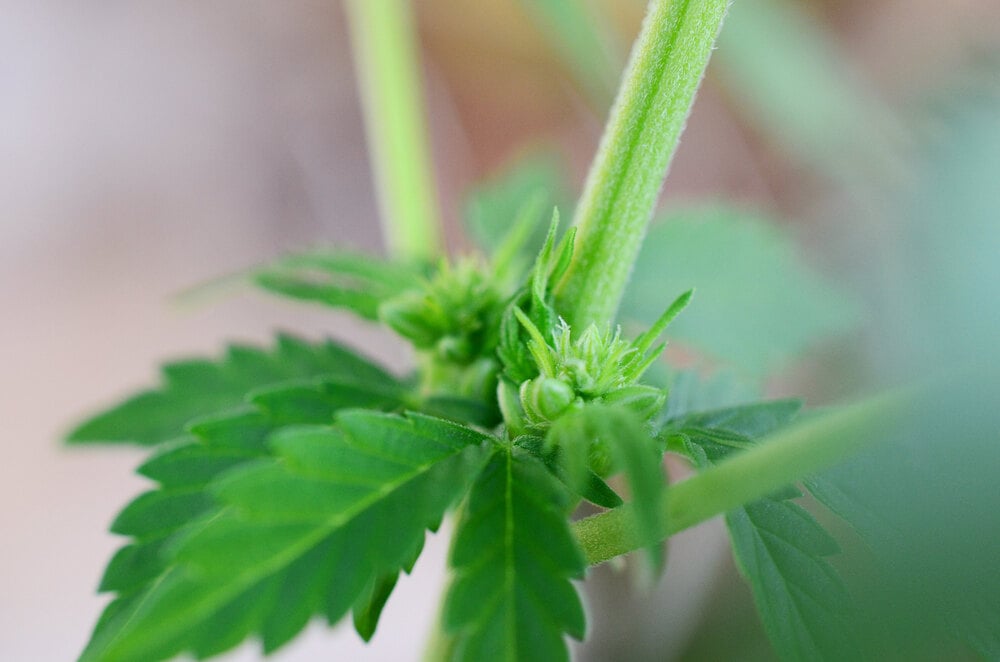
Self-pollination occurs when a female autoflower develops pollen-producing structures that fertilise its own flowers. This is associated with intersex expression, commonly called hermaphroditism.
Genetic susceptibility, hormonal changes, and severe environmental stress can contribute to this response. However, stress alone does not guarantee pollen production.
Seeds from spontaneous self-pollination may germinate, but offspring can inherit a tendency towards intersex expression.
Grower tip: Inspect developing flowers for unexpected pollen sacs or exposed anthers. Maintaining stable conditions, including suitable lighting, can also reduce avoidable stress. See our autoflower light cycle guide.
Controlled Feminized Seed Production
Controlled feminization involves encouraging a genetically female autoflower to produce pollen, allowing breeders to produce seeds that develop predominantly into female plants.
Breeders use sex-reversal treatments involving compounds such as silver thiosulfate (STS) or colloidal silver, which influence hormonal activity responsible for flower development.
Unlike spontaneous intersex expression, this method allows breeders to select suitable female parents and assess the consistency of their offspring.
Grower tip: Female offspring alone do not indicate stable genetics. Assess flowering consistency, plant structure, and inherited characteristics across the breeding line. Silver-treated plant material must not be consumed.
Why Did My Autoflower Produce Seeds?
Unexpected seeds indicate that your autoflower was exposed to pollen earlier in its flowering stage. Identifying the source helps you understand what happened and assess the risk to nearby plants.
| Possible cause | What to investigate |
| Nearby male autoflowers | Pollen sacs that may have opened during flowering |
| Intersex flower development | Unexpected pollen sacs or exposed anthers among female flowers |
| Airborne pollen | Pollen entering through ventilation or outdoor airflow |
| Accidental transfer | Pollen carried on clothing, equipment, or tools |
Seeds may become visible weeks after pollination, meaning the original pollen source may no longer be present.
Grower tip: I recommend checking nearby plants and reviewing recent changes in your growing environment. Finding seeds does not automatically mean your autoflower developed intersex flowers.
How to Tell if an Autoflower Has Seeds
The clearest sign of a seeded autoflower is a developing seed inside the flower's protective bract. However, early seed formation can be difficult to identify without close inspection.
Look for these indicators:
- Swollen bracts: Enlarged flower structures may contain developing seeds, although swelling alone is not confirmation.
- Visible seed shells: Mature seeds may become exposed as the surrounding bracts open.
- Firm seeds: A developed seed has a solid outer shell that differs from soft flower tissue.
- Uneven development: Seeds may appear in certain buds or branches rather than throughout the plant.
Darkening pistils are not reliable evidence of pollination because they also change during normal flower maturity. You can compare these changes with the typical signs of autoflower harvest readiness.
Grower tip: Use a magnifying glass to inspect swollen bracts and look for visible seed shells. Avoid squeezing buds, as this can damage developing flowers and trichomes.
How to Prevent Unwanted Seeds in Autoflowers
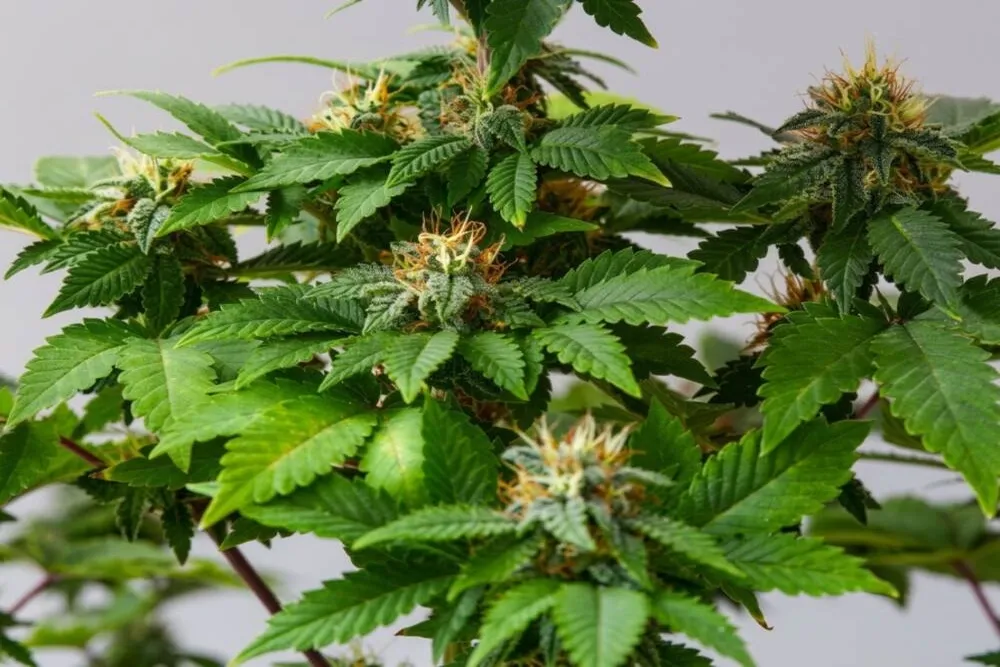
The best way to prevent seeds in autoflowers is to stop unwanted pollen from reaching female flowers. This requires early inspection, careful plant management, and a stable growing environment.
Follow these five steps to protect your autoflower harvest.
Step 1: Start With Female-Producing Autoflower Seeds
Choose autoflower seeds bred to produce female plants from a reputable seed supplier. This reduces the likelihood of male plants developing and releasing pollen.
Look for breeding lines with consistent female flower development and a low incidence of unwanted intersex traits.
Step 2: Inspect Plants During Early Flowering
Once flowers begin developing, examine the nodes where branches meet the main stem every few days.
Look for rounded pollen sacs or exposed yellow anthers among female flowers. Use a magnifying glass if the structures are difficult to identify.
Step 3: Remove Potential Pollen Sources
If you find a male plant, isolate or remove it before its pollen sacs open. Handle the plant gently to avoid spreading pollen.
If a female plant develops pollen-producing structures, separate it from unaffected plants and assess whether removal is necessary.
Step 4: Maintain Stable Growing Conditions
Keep temperatures, watering, and nutrient levels consistent to reduce unnecessary plant stress.
Avoid excessive pruning, physical damage, and sudden environmental changes. Follow a suitable autoflower feeding schedule to maintain balanced nutrition throughout flowering.
Step 5: Prevent Accidental Pollen Transfer
Keep tools and clothing clean when moving between growing areas. If you maintain breeding plants, use separate equipment where possible.
Continue inspecting flowers throughout the reproductive stage, even when no pollen source is initially visible.
Grower tip: I recommend checking autoflowers before watering or routine maintenance. This makes regular inspections easier to maintain and helps you identify potential problems before pollen spreads.
How Autoflower Breeders Produce Seeds
Producing autoflower seeds involves selecting suitable parent plants, managing pollination, and allowing enough time for seeds to develop. Because autoflowers have a limited growth cycle, breeders must plan around their natural flowering period.
Selecting Autoflower Parent Plants
Healthy parents with consistent flowering behaviour and desirable inherited traits provide the best foundation for autoflower breeding.
| Trait | What to look for |
| Flowering consistency | Reliable automatic flowering and predictable development |
| Plant structure | Strong branching, suitable height, and healthy growth |
| Flower quality | Good resin production and desirable cannabinoid and terpene profiles |
| Genetic stability | Consistent traits without unwanted intersex expression |
For example, Northern Lights Autoflower may be considered when selecting plants with a compact structure, although individual plants must still be evaluated.
Grower tip: I recommend selecting parents based on their complete growth cycle rather than appearance alone. Healthy plants do not always produce offspring with the same characteristics.
Pollination and the Limited Seed Development Window
Timing is important because autoflowers have a relatively short reproductive period. Female flowers must receive pollen early enough for seeds to mature before the plant reaches the end of its life cycle.
Seeds typically need around four to six weeks after successful pollination to develop, although genetics and growing conditions can affect this period.
Grower tip: Allow sufficient time for seed development rather than relying on the plant's expected bud harvest date. Late pollination may produce immature seeds with poor germination potential.
Autoflower Genetic Inheritance
Autoflowering is an inherited trait controlled by genes involved in flower development. Research has identified genetic regions such as Autoflower1 and CsPRR37 that influence automatic flowering.
Crossing established autoflower breeding lines can produce offspring that reliably inherit this characteristic. However, other traits, including plant size, resin production, and flowering duration, may vary between individual plants.
Breeders evaluate successive generations to select plants that consistently express the desired characteristics.
Grower tip: Keep breeding records and compare offspring across generations. Consistent results provide stronger evidence of genetic stability than the performance of a single plant.
Harvesting and Storing Autoflower Seeds
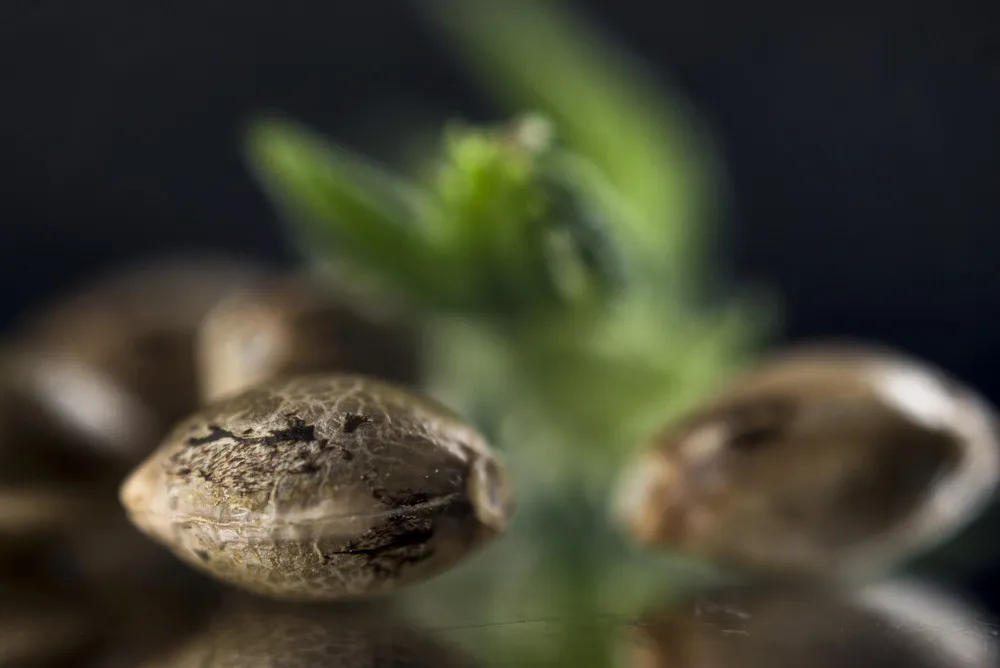
Mature autoflower seeds typically develop a firm outer shell with brown, dark, or mottled markings. Immature seeds are often pale green or cream and may feel soft.
Before harvesting, check that seeds are fully developed rather than relying on appearance alone.
Once collected, allow seeds to dry under suitable conditions before placing them in an airtight container. Keep them in a cool, dry, dark location to reduce moisture exposure and preserve germination potential.
For longer storage periods, see our guide to storing cannabis seeds.
Grower tip: I recommend keeping each seed batch separate and recording its parent plants and harvest date. This makes it easier to track genetics, assess germination results, and manage future breeding selections.
Conclusion
Autoflowering cannabis plants can produce viable seeds through pollination, self-pollination, or controlled breeding. Understanding these reproductive processes helps you identify unexpected seeds, reduce accidental pollination, and make informed breeding decisions.
For seedless buds, focus on suitable genetics, regular plant inspections, and consistent growing conditions. If your goal is seed production, parent selection, genetic stability, and seed maturity deserve greater attention.
With the right knowledge, you can manage autoflower reproduction more effectively and improve the consistency of future grows.
Frequently Asked Questions
Can You Still Use Buds From a Seeded Autoflower?
Yes, seeded autoflower buds can still contain cannabinoids and terpenes. However, seed development may reduce the amount of usable flower material. Remove mature seeds before use and discard any flowers showing signs of mould or contamination.
Can You Tell Which Plant Pollinated Your Autoflower?
Not from seed appearance alone. Seed shape and markings cannot reliably identify the pollen parent. Breeding records or genetic testing may help establish parentage, particularly when several autoflowers were growing nearby.
Can Autoflower Seeds Germinate Immediately After Harvest?
Some mature autoflower seeds may germinate soon after harvest, but results depend on seed development and dormancy. Allowing freshly collected seeds to dry under suitable conditions can improve their suitability for storage and handling.
Will Seeds From the Same Autoflower Produce Identical Plants?
No. Seeds produced through sexual reproduction can inherit different combinations of parental genes. Even seeds from the same plant may produce offspring with differences in height, flowering time, resin production, and other characteristics.
How Long Do Autoflower Seeds Remain Viable?
Autoflower seeds can remain viable for several years when stored under suitable conditions, although germination rates generally decline with age. Low moisture levels, cool temperatures, and protection from light help extend storage life. I recommend testing a small sample before relying on older seeds for a new grow.
References
- Leckie, K. M., et al. (2024). Loss of daylength sensitivity by splice site mutation in Cannabis pseudo-response regulator. The Plant Journal, 118(6), 2020–2036. Research identifying the role of the CsPRR37 gene in autoflowering cannabis.
- Toth, J. A., Stack, G. M., Carlson, C. H., & Smart, L. B. (2022). Identification and mapping of major-effect flowering time loci Autoflower1 and Early1 in Cannabis sativa L.. Frontiers in Plant Science, 13, 991680. Research examining the genetic inheritance of automatic flowering.
- Richards, C. D., Ryu, B.-R., Gim, G.-J., & Park, S.-H. (2026). Hermaphroditism in Cannabis sativa L.: Impacts, Inducers, and Industry Implications. Plants, 15(11), 1643. A scientific review of intersex flower development, reproductive stability, and environmental influences.
- Timoteo Junior, A. A., & Oswald, I. W. H. (2024). Optimized guidelines for feminized seed production in high-THC Cannabis cultivars. Frontiers in Plant Science, 15, 1384286. Research reviewing controlled female-pollen production and seed quality.

