




Choosing the best cannabis strains for extraction and concentrates involves more than looking at THC levels. Some varieties produce abundant resin, while others are valued for their terpene profiles, making them suitable candidates for hash, rosin and other cannabis concentrates.
From established varieties such as Gorilla Glue and White Widow to newer strains including GMO Cookies and Super Boof, each offers different characteristics worth considering. However, extraction results depend on trichome quality, plant material and the method used.
This guide compares 10 of the best cannabis strains for concentrates, explains how extraction and concentration work, and explores the different methods used to produce cannabis extracts.
Key Takeaways
- Strain selection matters: Different cannabis varieties offer distinct advantages for extraction.
- Traditional and modern genetics: Discover ten strains associated with resin production and concentrate potential.
- Extraction methods explained: Learn the differences between dry sift, ice water, rosin and solvent-based extraction.
- Understanding concentrates: Find out what separates hash, live resin, wax, shatter and distillate.
- Choosing the right option: Learn which strain characteristics matter for different types of concentrates.
- What Makes a Cannabis Strain Good for Extraction?
- Top 10 Best Cannabis Strains for Extraction and Concentrates
- What is the Difference Between Cannabis Extraction and Concentration?
- How Does Cannabis Extraction Work?
- How Are Cannabis Concentrates Made?
- How to Choose the Best Cannabis Strain for Different Concentrates
- Conclusion
- Frequently Asked Questions
- References
What Makes a Cannabis Strain Good for Extraction?
A cannabis strain's suitability for extraction depends on its resin production, trichome structure and chemical composition. Glandular trichomes are small structures found mainly on cannabis flowers that produce and store cannabinoids and terpenes.
According to research into cannabis glandular trichomes, their structure and development influence how these compounds are produced and stored.
| Characteristic | Why It Matters for Extraction |
| Resin production | A high number of resin-producing trichomes can increase the amount of material available for extraction. |
| Trichome structure | The size and maturity of trichome heads can affect how easily they separate from plant material. |
| Cannabinoids and terpenes | These compounds determine much of the concentrate's potency, chemical profile and aroma. |
Does Higher THC Mean Better Extraction?
Not always. THC percentage indicates cannabinoid content but does not measure potential extraction yield.
For example, a strain with 20% THC may produce more recoverable resin than one containing 25% THC, depending on its trichomes and the extraction method used.
The most reliable way to compare strains is through measured extraction results rather than THC levels or flower appearance alone.
Top 10 Best Cannabis Strains for Extraction and Concentrates
Not every cannabis strain performs equally during extraction. Some are valued for their resin production, while others offer distinctive terpene profiles that can influence the aroma and quality of the finished concentrate.
The following ten strains offer different advantages for making hash, rosin and other cannabis extracts. Actual results depend on the individual plant and extraction method.
1. GMO Cookies
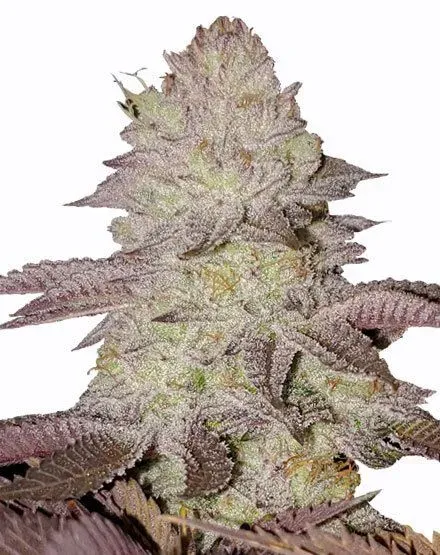
GMO Cookies Feminized is an indica-dominant hybrid known for its heavy resin production and unusual terpene profile. Its dense flowers carry pungent garlic, earthy and diesel-like aromas that distinguish it from sweeter cannabis varieties.
GMO Cookies has an established reputation among hash and rosin producers, particularly for its rich, aromatic resin.
Why choose GMO Cookies for extraction? Its resin production and distinctive terpene profile make it a strong candidate for solventless concentrates where preserving the original aroma is important.
2. Gorilla Glue (GG4)
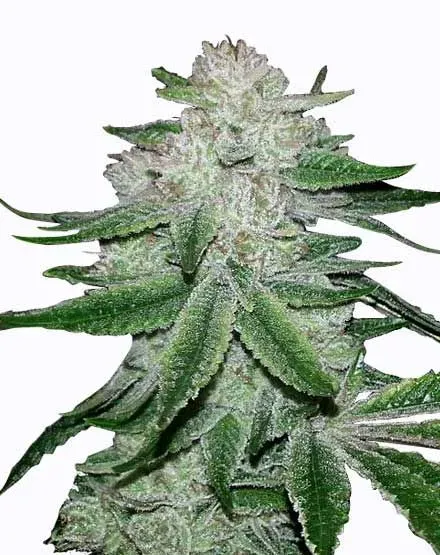
Gorilla Glue, also called GG4, is a well-established hybrid with exceptionally sticky flowers. Its resin contains aromatic compounds associated with earthy pine, sour citrus and diesel notes.
The strain has a long history in concentrate production and remains a familiar choice among extractors.
Why choose Gorilla Glue for extraction? Its established resin-producing characteristics make it a versatile option for traditional hash, flower rosin and other concentrates.
3. Hash Bomb
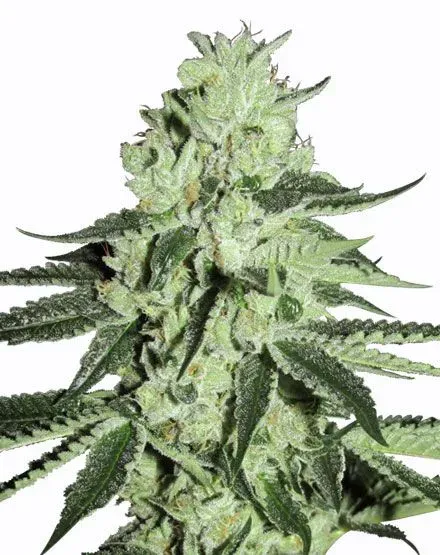
Hash Bomb is an indica-dominant variety developed with traditional hash production in mind. It produces resinous flowers with earthy, herbal aromas and subtle incense-like notes.
Unlike varieties prized mainly for sweet or fruity terpenes, Hash Bomb offers the more traditional aromatic characteristics associated with pressed hash.
Why choose Hash Bomb for extraction? Its hash-focused heritage makes it particularly relevant for dry sift and traditional pressed hash, especially when a classic earthy profile is preferred.
4. Permanent Marker
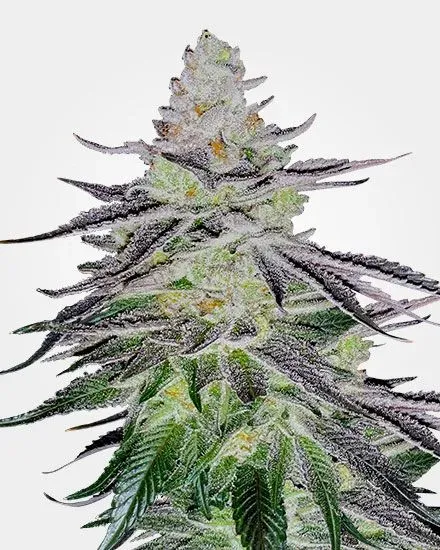
Permanent Marker Feminized is a modern hybrid known for dense flowers and a complex combination of sweet, floral and gas-like aromas.
Its distinctive chemical profile makes it an interesting alternative to traditional extraction varieties, particularly for concentrates intended to retain the character of the original flower.
Why choose Permanent Marker for extraction? Its aromatic complexity makes it a promising candidate for terpene-focused extracts, although reliable extraction results are needed to establish its potential yield.
5. Super Boof
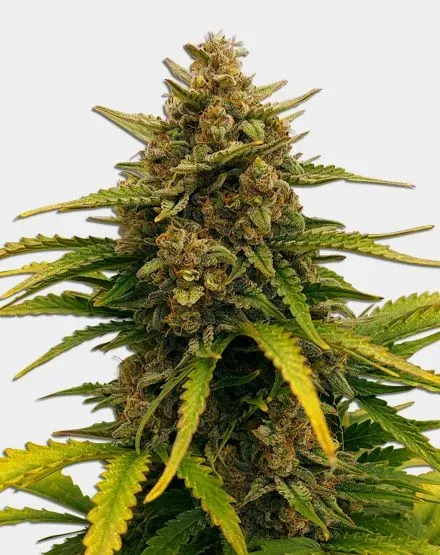
Super Boof Feminized is associated with vibrant citrus, berry and tropical fruit aromas. These characteristics have helped establish its reputation among enthusiasts interested in flavourful cannabis concentrates.
Its terpene profile differs noticeably from the earthy and diesel-dominant varieties commonly associated with extraction.
Why choose Super Boof for extraction? It is particularly appealing for aromatic concentrates where citrus and fruit notes are desirable. Its suitability for hash or rosin depends on the individual selection.
6. White Truffle
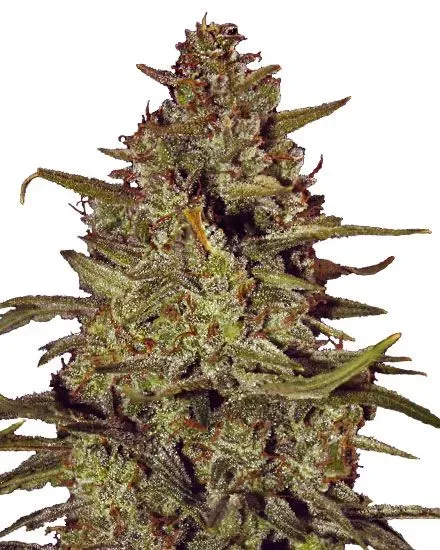
White Truffle Feminized produces compact flowers with a thick coating of resin. Its aromatic profile combines earthy, nutty and slightly pungent characteristics.
This modern variety appeals to those seeking concentrates with a more subtle aroma than strongly fruity or diesel-heavy strains.
Why choose White Truffle for extraction? Its abundant resin makes it a promising extraction candidate, while its earthy terpene profile offers a different character in the finished product.
7. Cap Junky
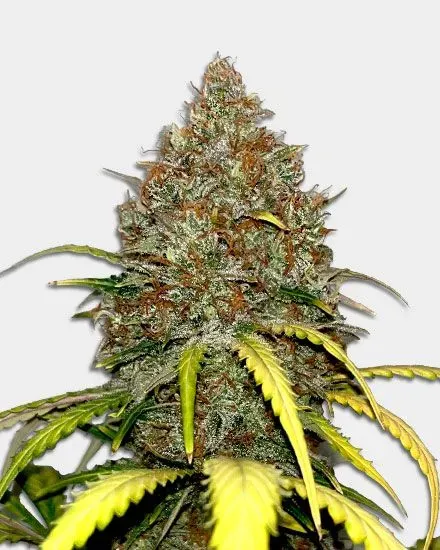
Cap Junky Feminized is a potent hybrid associated with dense, heavily frosted flowers. Its aromas can include sweet fruit, mint and pungent gas-like notes.
The strain is particularly interesting for its combination of cannabinoid potency and aromatic complexity.
Why choose Cap Junky for extraction? Its resin-rich flowers make it worth considering for cannabinoid-focused concentrates. However, laboratory testing is necessary to establish actual extract potency and recovery rates.
8. Gorilla Cookies
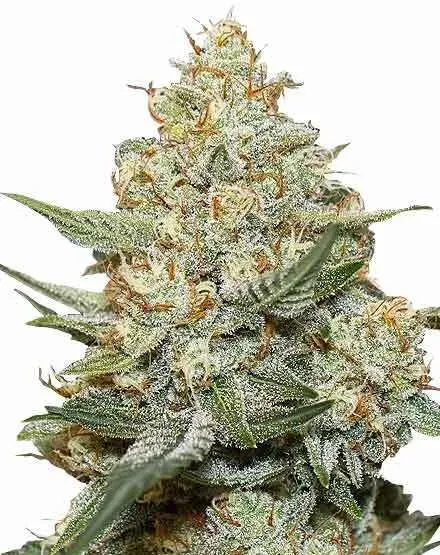
Gorilla Cookies Feminized combines Gorilla Glue and Cookies genetics, producing dense flowers with sweet, earthy and slightly spicy aromas.
Its genetic background brings together two varieties associated with sticky flowers and substantial resin development.
Why choose Gorilla Cookies for extraction? It offers an alternative to original Gorilla Glue for those interested in sweeter aromatic characteristics while retaining resin-producing genetics.
9. Biscotti
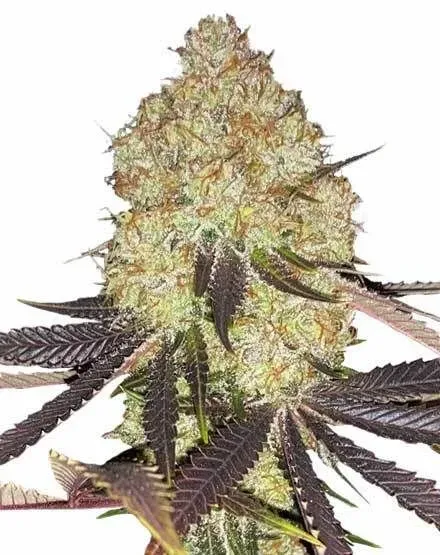
Biscotti Feminized is an indica-dominant hybrid known for its sweet, nutty and spicy terpene profile. Its compact flowers develop a visible resin coating and can produce a rich, dessert-like aroma.
Biscotti stands apart from strains with sharp citrus or fuel characteristics.
Why choose Biscotti for extraction? Its distinctive terpene composition makes it an interesting candidate for concentrates where sweet and spicy aromas are preferred, although its extraction yield has not been established here.
10. White Widow
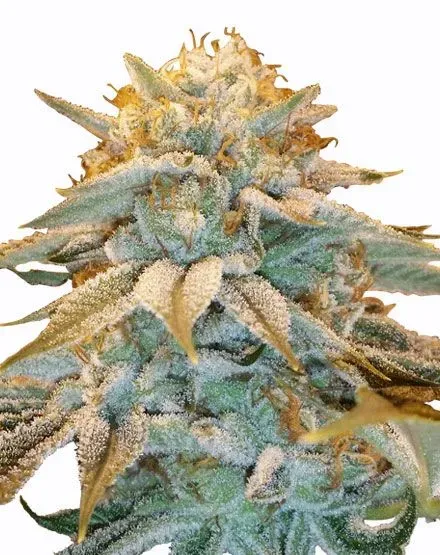
White Widow is a classic hybrid that has remained popular for decades. Its flowers are known for their pale, crystal-like trichome coating and fresh aromas of pine, citrus and earth.
White Widow has a longstanding association with traditional hash and kief production, making it a useful choice for readers interested in established cannabis genetics.
Why choose White Widow for extraction? Its history of resin production and traditional hash use makes it a familiar starting point for understanding mechanically separated concentrates.
What is the Difference Between Cannabis Extraction and Concentration?
Cannabis extraction involves separating cannabinoids, terpenes or resin glands from plant material using mechanical or chemical methods.
Concentration increases the proportion of selected compounds in the resulting product, sometimes through further refinement.
For example, collecting trichomes produces kief, which already has a higher resin content than the original flower. Further processing can change its purity, texture and form.
How Does Cannabis Extraction Work?
Cannabis extraction methods are generally divided into solventless and solvent-based techniques. Each has different applications depending on the desired product.
A scientific review of cannabis processing and extraction examines these techniques and their applications.
1. Dry Sift Extraction
Dry sift uses fine mesh screens to collect loose trichomes from dried cannabis.
Main benefit: Produces kief through mechanical separation without water or chemical solvents.
2. Ice Water Extraction
Cold water and mechanical movement help detach trichome heads, which are collected through filtration and dried to produce bubble hash.
Main benefit: Can produce high-quality hash while limiting the amount of unwanted plant material collected.
3. Rosin Extraction
Controlled heat and pressure release resin from cannabis flowers or hash.
Main benefit: Produces a concentrated extract without chemical solvents, although heat can affect some aromatic compounds.
4. Solvent-Based Extraction
Commercial facilities use ethanol, hydrocarbons or carbon dioxide to recover cannabinoids and other plant compounds.
These processes require specialist equipment and safety controls, particularly when flammable solvents are involved.
Main benefit: Allows selective extraction and further refinement for different commercial products.
How Are Cannabis Concentrates Made?
The finished concentrate depends on the material collected and any additional processing.
| Concentrate | Production Method | Main Characteristic |
| Kief | Dry mechanical separation | Fine, resin-rich powder |
| Hash | Collected resin processed or pressed together | Usually a solid or pliable material |
| Bubble Hash | Ice water separation and filtration | Concentrated trichome material |
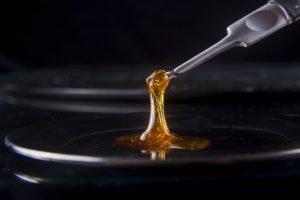
| Rosin | Heat and pressure | Sticky or semi-solid extract |
| Live Resin | Commercial solvent extraction of fresh-frozen cannabis | Often retains distinctive aromatic compounds |
| Wax and Shatter | Extract processing that produces different consistencies | Soft or brittle textures |
| Distillate | Distillation and refinement | High cannabinoid purity |
Research into supercritical carbon dioxide extraction describes how industrial processing can recover selected cannabinoids.
What Affects the Quality of Cannabis Concentrates?
Three factors influence the finished product:
- Plant material: Cannabinoid levels, terpene composition and freshness.
- Processing conditions: The techniques and equipment used.
- Refinement: The removal of unwanted components and changes to purity.
The most suitable method depends on the intended concentrate rather than THC percentage alone.
How to Choose the Best Cannabis Strain for Different Concentrates
The right cannabis strain depends on the type of concentrate you want to produce. While high-THC cannabis seeds may appeal to those seeking potency, resin quality and terpene content are equally important.
Different concentrates benefit from particular strain characteristics:
| Concentrate | What to Look for in a Strain |
| Dry Sift and Hash | Abundant trichomes that separate easily from plant material. |
| Bubble Hash | Mature trichome heads that separate cleanly during extraction. |
| Rosin | Resin-rich flowers with suitable consistency and good terpene content. |
| Live Resin | Fresh plant material with a distinctive terpene profile. |
| Distillate | High cannabinoid content, with less emphasis on the original aroma. |
For the best comparison, look for tested extraction results from the specific strain or phenotype. These provide a more reliable indication of potential performance than THC percentage or flower appearance alone.
Conclusion
Choosing the best cannabis strains for extraction depends on the concentrate you want to produce. Established varieties such as Gorilla Glue and Hash Bomb offer a history of resin production, while newer strains such as GMO Cookies, Permanent Marker and Super Boof provide different cannabinoid and terpene profiles.
Understanding the characteristics of each strain helps you make an informed choice. However, reliable extraction results remain the best way to assess performance.
Frequently Asked Questions
Can Autoflower Cannabis Strains Be Used for Extraction?
Yes. Autoflower strains produce cannabinoid-rich resin and can be used to make concentrates. Their suitability depends on the individual variety rather than whether the plant flowers automatically.
Is Fresh or Dried Cannabis Better for Extraction?
Both can be suitable, depending on the intended product. Fresh-frozen cannabis is commonly used for live resin, while dried material is often associated with traditional hash and kief. Storage and handling also influence the final result.
Can Cannabis Leaves Be Used for Extraction?
Yes. Sugar leaves surrounding the flowers often contain resin glands and can contribute material for extraction. Large fan leaves generally contain fewer trichomes, making them less suitable.
Why Do Concentrates From the Same Strain Sometimes Differ?
Differences in growing conditions, plant maturity, storage and processing can affect the chemical composition of concentrates. Even plants sold under the same strain name may produce different results.
How Should Cannabis Concentrates Be Stored?
Concentrates should be kept in suitable sealed containers, away from excessive heat, direct light and moisture. Storage requirements vary by product, particularly for extracts containing volatile terpenes.
References
- Tanney, C. A. S., Backer, R., Geitmann, A., & Smith, D. L. (2021). Cannabis Glandular Trichomes: A Cellular Metabolite Factory. Frontiers in Plant Science, 12, 721986. https://doi.org/10.3389/fpls.2021.721986
- Processing and extraction methods of medicinal cannabis: A narrative review. (2021). Journal of Cannabis Research. https://doi.org/10.1186/s42238-021-00087-9
- Extraction of medicinal cannabinoids through supercritical carbon dioxide technologies: A review. (2021). Journal of Chromatography B. https://doi.org/10.1016/j.jchromb.2021.122581


