




Growing cannabis in hot and dry climates can be challenging, but it also offers unique advantages when managed correctly. High temperatures, intense sunlight, and low humidity can stress plants, yet these same conditions often reduce the risk of mold, mildew, and pests that thrive in more humid environments.
Whether you're growing in Arizona, Nevada, Southern California, or another arid region, success depends on understanding how heat and drought impact cannabis growth. Selecting the best cannabis strains for hot climates, improving soil moisture retention, and using efficient watering techniques are essential for maintaining healthy plants and achieving strong yields.
Cannabis is naturally adaptable, and many landrace strains and heat-tolerant hybrids are well suited for desert conditions. With the right approach, growers can take advantage of these resilient genetics.
This guide covers everything you need to know about growing cannabis in hot climates, from choosing the right seeds to managing heat stress and optimizing your growing environment for consistent, high-quality results.
- Can Cannabis Grow in Hot and Dry Climates?
- Step-by-Step Guide to Growing Cannabis in Hot and Dry Climates
- Growing Cannabis Outdoors in Desert Climates
- Growing Cannabis Indoors in Hot and Dry Climates
- Choosing the Best Growing Medium for Hot and Dry Climates
- Choosing the Best Containers for Hot Climates
- Soil Amendments and Supplements for Desert Growing
- Choosing the Best Cannabis Strains for Hot and Dry Climates
- Plant Training and Heat Stress Management
- Conclusion
- Frequently Asked Questions
Can Cannabis Grow in Hot and Dry Climates?
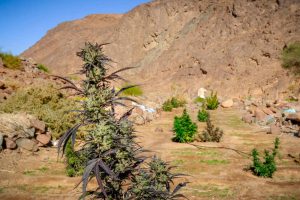
Many growers assume cannabis struggles in desert environments because of the intense heat, dry air, and limited rainfall. In reality, cannabis is a highly adaptable plant that can thrive in hot and dry climates when grown with the right genetics and cultivation techniques. In fact, some of the world's most resilient cannabis varieties originate from regions with long, hot summers and naturally low humidity.
Desert climates such as Arizona, Nevada, Southern California, parts of Mexico, Australia, and the Mediterranean present unique growing conditions. While these environments receive abundant sunlight that supports vigorous growth and healthy flower development, they also expose plants to prolonged periods of heat, rapid moisture loss, and poor water retention. Without proper planning, these factors can slow growth, reduce yields, and increase plant stress.
The key to growing cannabis successfully in hot and dry climates is understanding how the environment affects the plant throughout its life cycle. High temperatures increase transpiration, causing cannabis to lose water through its leaves much faster than it can in cooler climates. At the same time, dry soils and low humidity make it more difficult for roots to absorb the water and nutrients needed for healthy development. Strong desert winds can further accelerate evaporation while raising soil temperatures around the root zone.
Fortunately, these challenges can be managed. Choosing cannabis seeds bred for warm climates, building healthy moisture-retaining soil, using efficient irrigation, and protecting plants during periods of extreme heat all help create an environment where cannabis can flourish. Growers who adapt their techniques to local conditions often discover that desert climates offer several natural advantages over cooler or more humid regions.
Advantages and Challenges of Growing Cannabis in Desert Climates
| Advantages | Challenges |
| Long hours of intense sunlight encourage vigorous vegetative growth and strong flower production. | High daytime temperatures can slow growth and increase heat stress. |
| Low humidity reduces the risk of powdery mildew, bud rot, and many fungal diseases. | Water evaporates quickly, requiring efficient irrigation and moisture conservation. |
| Dry conditions discourage many common pests that prefer humid environments. | Sandy or rocky soils often need organic amendments to improve water retention. |
| Warm growing seasons allow many strains to reach their full outdoor potential. | Hot winds can dry foliage, damage branches, and increase water loss. |
Rather than trying to fight the climate, successful growers learn to work with it. By understanding how heat, sunlight, humidity, soil, and water availability influence cannabis growth, you can make informed decisions throughout the season that improve plant health and maximize yields. The following sections explain exactly how to choose the right cannabis seeds, prepare your growing environment, and use proven techniques for growing cannabis in hot and dry climates.
Step-by-Step Guide to Growing Cannabis in Hot and Dry Climates
Growing cannabis in hot and dry climates requires more than simply planting seeds and watering regularly. Desert environments present unique challenges that require growers to plan ahead, choose the right equipment, and adapt their growing methods throughout the season. Following a structured approach helps reduce environmental stress while allowing cannabis plants to take full advantage of the abundant sunlight and long growing seasons that arid regions provide.
Step 1: Choose Cannabis Seeds Suited to Hot Climates
Every successful grow starts with selecting cannabis seeds for hot climates that can tolerate high temperatures and limited water availability. Cannabis strains developed from landrace or sativa-dominant genetics are often naturally adapted to warm environments and tend to perform better during prolonged periods of heat than varieties bred for cooler climates.
When selecting cannabis seeds for hot climates, prioritize resilience over THC content alone. A plant that remains healthy throughout the growing season will consistently outperform a high-potency strain that struggles under environmental stress.
Step 2: Select the Best Growing Location
Location plays a major role in determining how well cannabis performs in desert conditions. Outdoor growers should choose an area that receives plenty of direct morning sunlight while offering some protection from the most intense afternoon heat. Natural airflow helps prevent excessive canopy temperatures, but exposed locations with constant hot winds may increase water loss and damage developing branches.
For growers using containers, choose a location where plants can be moved if an extended heat wave occurs. Having flexibility makes it easier to protect plants during periods of extreme weather without reducing overall light exposure.
Step 3: Prepare the Growing Environment
Before planting, prepare an environment that supports healthy root development and efficient water use. Cannabis grown in hot, dry climates benefits from the best soil for growing weed, which holds moisture while maintaining drainage.
Apply organic mulch around each plant and follow proper watering techniques for cannabis to reduce evaporation. If growing directly in the ground, loosen compacted soil and incorporate organic matter to improve both water retention and microbial activity. A healthy root zone allows plants to remain vigorous even when daytime temperatures climb above their ideal range.
Step 4: Establish an Efficient Watering Routine
Water management becomes increasingly important as temperatures rise. Rather than watering lightly every day, focus on providing thorough irrigation that allows moisture to penetrate deep into the root zone. This encourages roots to grow downward where soil remains cooler and moisture is retained for longer periods.
Watering during the early morning is generally the most efficient time because evaporation rates are lower and plants have access to moisture before the hottest part of the day. Regularly monitoring soil moisture allows growers to adjust irrigation based on weather conditions instead of relying on a fixed schedule.
Step 5: Monitor Plants Throughout the Growing Season
Cannabis plants communicate environmental stress long before permanent damage occurs. Daily inspections allow growers to identify problems early and make small adjustments before yields are affected.
Watch for signs such as cannabis leaves curling upwards, unusual wilting or bleaching. These symptoms often indicate excessive heat, inadequate water availability, or overly intense sunlight. Responding quickly by adjusting shade, airflow, or irrigation can prevent minor stress from becoming a larger problem.
Step 6: Protect Plants During Extreme Heat
Even heat-tolerant cannabis strains can struggle during prolonged heat waves. When daytime temperatures remain exceptionally high, reducing environmental stress becomes the priority.
Temporary shade cloth can lower leaf temperatures and help protect your cannabis plants from heat stress, without blocking excessive sunlight, while maintaining good airflow helps dissipate accumulated heat around the canopy. Protecting the root zone with mulch and avoiding unnecessary pruning during extreme weather also helps plants conserve energy and recover more quickly once temperatures begin to moderate.
Growing cannabis in hot and dry climates is ultimately about adapting your cultivation practices to the environment rather than trying to change it. By selecting suitable genetics, preparing healthy soil, managing water efficiently, and responding proactively to changing weather conditions, growers can consistently produce vigorous plants and high-quality harvests even in challenging desert climates.
Growing Cannabis Outdoors in Desert Climates
Growing outdoor cannabis plants in desert climates offers several advantages, including abundant sunlight, long growing seasons, and lower disease pressure than humid regions. However, success depends on working with the environment rather than against it. Desert growers must carefully manage sun exposure, temperature fluctuations, wind, and soil conditions to create a stable growing environment throughout the season.
One of the most important decisions is choosing the right planting location. While cannabis thrives in full sun, prolonged exposure to intense afternoon heat can cause unnecessary stress during the hottest months. A location that receives direct morning sunlight and light afternoon shade often provides the best balance between vigorous growth and heat protection. Natural windbreaks such as fences, shrubs, or shade structures can also reduce moisture loss caused by hot desert winds.
Choosing the Best Outdoor Growing Site
| Consideration | Recommendation |
| Sunlight | Full morning sun with light afternoon shade where possible |
| Airflow | Good natural airflow without constant strong winds |
| Terrain | Level ground with well-draining soil |
| Water Access | Close to an irrigation source or water supply |
| Protection | Use fences, shade structures, or windbreaks if necessary |
Timing is equally important when growing cannabis outdoors in hot climates. Planting too early may expose young seedlings to cool nights, while planting too late can result in flowering during the hottest part of summer. Researching your local climate and average seasonal temperatures helps determine the ideal planting window for your region.
Outdoor Growing Tips for Desert Climates
| Best Practice | Benefit |
| Install drip irrigation | Conserves water and delivers moisture directly to the roots |
| Apply organic mulch | Reduces evaporation and stabilizes soil temperature |
| Stake large plants | Protects branches from strong desert winds |
| Monitor weather forecasts | Prepare for heat waves and strong winds before they occur |
| Inspect plants regularly | Identify signs of stress before they affect growth |
Outdoor cannabis plants often grow much larger than indoor plants because unrestricted root development and natural sunlight promote vigorous growth. As plants mature, continue monitoring environmental conditions throughout the season and adjust irrigation or provide temporary shade during periods of extreme heat. Consistent observation and small preventive adjustments will help maintain healthy plants and maximize harvest quality.
Growing Cannabis Indoors in Hot and Dry Climates
Growing cannabis indoors in hot and dry climates gives you complete control over the growing environment, allowing you to overcome many of the challenges associated with desert weather. While outdoor growers must adapt to fluctuating temperatures and intense sunlight, indoor cultivation allows you to regulate temperature, humidity, lighting, and airflow to create ideal growing conditions year-round.
One of the biggest challenges for indoor growers in hot climates is controlling the temperature inside the grow room. Even when outdoor temperatures exceed 100°F (38°C), your grow space should remain within the recommended range for each stage of growth. Excess heat from lighting equipment, poor ventilation, or inadequate air conditioning can quickly raise canopy temperatures, reducing plant growth and affecting flower quality.
Maintaining consistent airflow is equally important. Oscillating fans help prevent hot spots around the canopy, while an exhaust system removes warm air and replaces it with fresh, cooler air. During extremely dry weather, a humidifier may also be necessary during the seedling and vegetative stages to maintain healthy humidity levels.
Indoor Environment Checklist
| Environmental Factor | Best Practice |
| Temperature | Maintain appropriate temperatures for each growth stage using air conditioning or ventilation. |
| Humidity | Use a humidifier if relative humidity drops too low during vegetative growth. |
| Ventilation | Install an inline exhaust fan with adequate air exchange. |
| Air Circulation | Use oscillating fans to eliminate hot spots around the canopy. |
| Lighting | LED grow lights generate less heat than traditional HID or HPS lighting. |
Indoor growers should also consider how heat generated by equipment affects the grow space. Modern full-spectrum LED grow lights are generally better suited to hot climates because they produce significantly less radiant heat than high-pressure sodium (HPS) fixtures while remaining highly energy efficient. Position lights at the manufacturer's recommended distance above the canopy and regularly monitor leaf temperatures to avoid light stress.
Indoor Growing Tips for Desert Climates
| Recommendation | Benefit |
| Grow during cooler months if possible | Reduces cooling costs and environmental stress. |
| Insulate the grow room | Helps maintain stable temperatures throughout the day. |
| Automate climate control | Keeps temperature and humidity consistent. |
| Monitor VPD | Balances temperature and humidity for healthy plant growth. |
| Install backup ventilation | Protects plants during power outages or equipment failures. |
Indoor cultivation requires more equipment than outdoor growing, but it provides greater consistency and control. By maintaining a stable environment, growers can reduce plant stress, optimize nutrient uptake, and produce high-quality cannabis harvests regardless of the harsh conditions outside.
Choosing the Best Growing Medium for Hot and Dry Climates
The growing medium forms the foundation of a healthy cannabis plant, particularly in hot and dry climates where moisture retention and root health are critical. The ideal medium should retain enough water to keep roots hydrated between irrigations while providing excellent drainage and oxygen to prevent compaction and root disease.
Living soil is one of the best options for desert cultivation because its high organic matter content improves water retention and supports beneficial microorganisms that help plants absorb nutrients more efficiently. Coco coir is another excellent choice, offering exceptional moisture retention while maintaining good aeration around the roots. Growers using hydroponic systems can also achieve excellent results, although these systems require closer monitoring because reservoirs warm quickly during hot weather.
Comparing Growing Mediums
| Growing Medium | Water Retention | Drainage | Best For |
| Living Soil | ★★★★★ | ★★★★☆ | Outdoor gardens and raised beds |
| Coco Coir | ★★★★★ | ★★★★★ | Indoor and container growing |
| Peat-Based Mix | ★★★★☆ | ★★★★☆ | General-purpose cultivation |
| Rockwool | ★★☆☆☆ | ★★★★★ | Hydroponic systems with climate control |
For most growers, a high-quality organic soil blended with coco coir provides an excellent balance of water retention, aeration, and biological activity. This combination supports strong root development while reducing the frequency of irrigation during periods of extreme heat.
Choosing the Best Containers for Hot Climates
Container selection has a direct impact on root health, water retention, and overall plant performance. In hot climates, containers that trap heat can raise root-zone temperatures well above the surrounding air temperature, placing unnecessary stress on the plant and reducing nutrient uptake.
Fabric pots are widely considered one of the best options for growing cannabis in hot climates. Their breathable sides allow excess heat to dissipate while air-pruning roots, encouraging the development of a dense, healthy root system. Raised beds and in-ground cultivation also perform exceptionally well because the surrounding soil naturally insulates the root zone against extreme temperature fluctuations.
Dark plastic pots remain popular because they are inexpensive, but they absorb solar radiation quickly and may overheat during the hottest parts of the day. If plastic containers are used, placing them in partial shade or wrapping them with reflective material can help reduce root-zone temperatures.
Best Containers for Desert Cannabis Growing
| Container | Heat Performance | Water Retention | Recommended Use |
| Fabric Pots | ★★★★★ | ★★★★☆ | Best overall choice for containers |
| Raised Beds | ★★★★★ | ★★★★★ | Excellent for permanent outdoor gardens |
| In-Ground Growing | ★★★★★ | ★★★★★ | Ideal where soil quality is suitable |
| Ceramic Pots | ★★★★☆ | ★★★★☆ | Stable temperatures but heavy to move |
| Plastic Pots | ★★☆☆☆ | ★★★☆☆ | Suitable with additional heat protection |
Container size also influences how frequently plants require watering. Larger containers retain moisture for longer periods and provide additional insulation for the root system, making them better suited to hot, dry climates than smaller pots that dry out rapidly.
Soil Amendments and Supplements for Desert Growing
Healthy soil is more than just a growing medium—it is a living ecosystem that stores water, supplies nutrients, and supports beneficial microorganisms. In desert environments, soil amendments help improve moisture retention, increase nutrient availability, and protect roots from environmental stress throughout the growing season.
Organic matter should form the foundation of any desert cannabis garden. Compost improves soil structure while increasing its ability to hold moisture between irrigations. Worm castings introduce beneficial microbes that naturally improve nutrient cycling, while biochar increases both water retention and long-term soil health. Coco coir can also be incorporated into native soil to improve moisture retention without reducing drainage.
Beyond improving soil structure, certain supplements help plants tolerate environmental stress more effectively. Calcium strengthens cell walls, silica improves resistance to heat and drought stress, while humic and fulvic acids increase nutrient availability and root development. Mycorrhizal fungi establish beneficial relationships with roots, helping plants access water and nutrients more efficiently—an important advantage in dry conditions.
Recommended Soil Amendments
| Amendment | Primary Benefit |
| Compost | Improves soil structure and moisture retention |
| Coco Coir | Increases water-holding capacity |
| Worm Castings | Enhances microbial activity and nutrient availability |
| Biochar | Improves long-term soil health and water retention |
| Organic Mulch | Reduces evaporation and moderates soil temperature |
Beneficial Supplements
| Supplement | Purpose |
| Silica | Improves resistance to heat and environmental stress |
| Calcium | Supports strong cell walls and healthy growth |
| Humic Acid | Increases nutrient availability |
| Fulvic Acid | Improves nutrient uptake by roots |
| Mycorrhizae | Enhances root development and water absorption |
| Kelp Extract | Supports plant vigor and stress recovery |
Rather than relying solely on bottled nutrients, focus on building healthy, biologically active soil that supports the plant throughout its lifecycle. A well-balanced root environment allows cannabis to better withstand prolonged heat, recover from environmental stress, and produce consistent, high-quality harvests in desert climates.
Choosing the Best Cannabis Strains for Hot and Dry Climates
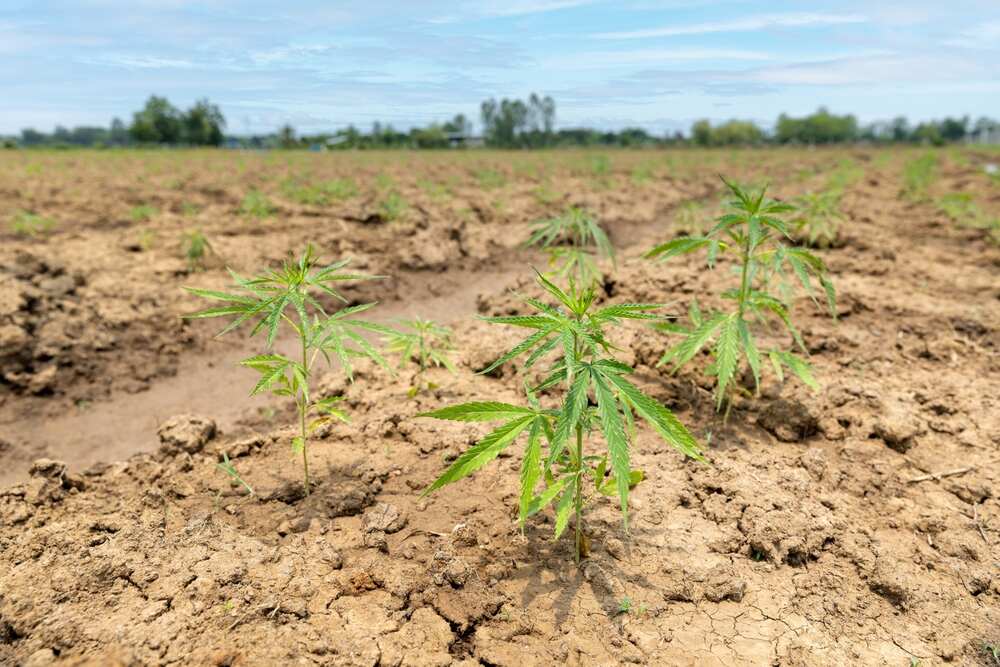
Selecting the right genetics is one of the most important decisions when growing cannabis in hot climates. While cultivation techniques can help plants cope with heat and drought, choosing cannabis seeds that are naturally adapted to warm, arid environments gives growers a significant advantage. Heat-tolerant strains typically require less water, recover more quickly from periods of drought, and continue producing healthy flowers even during prolonged summer temperatures.
Many of the best cannabis strains for hot climates trace their lineage to regions with naturally harsh growing conditions. Sativa and sativa-dominant hybrids originating from equatorial climates often thrive under intense sunlight, while some indica landrace varieties from mountainous and semi-arid regions have developed excellent drought resistance. These genetics generally produce vigorous root systems, efficient water use, and strong resilience against environmental stress.
Recommended Cannabis Strains for Desert Growing
| Strain | Why It Performs Well |
| Durban Poison | Pure South African sativa known for exceptional heat and drought tolerance. |
| Super Silver Haze | Vigorous growth with excellent resistance to warm, dry conditions. |
| Afghan Kush | Hardy landrace genetics capable of handling limited water availability. |
| Jack Herer | Performs well in hot climates with strong resistance to environmental stress. |
| White Widow | Adaptable hybrid that maintains consistent growth during warm summers. |
| Northern Lights | Reliable performer with excellent resilience in challenging outdoor conditions. |
When choosing cannabis seeds for hot climates, prioritize resilient genetics over simply selecting high-THC varieties. Combining heat-resistant strains with proper irrigation, healthy soil, and effective heat management provides the best opportunity for producing vigorous plants and high-quality harvests in desert environments.
Plant Training and Heat Stress Management
Successful cannabis cultivation in hot and dry climates doesn't stop with choosing the right location or growing medium. How you manage your plants throughout the growing season can have a significant impact on airflow, light penetration, and their ability to withstand prolonged periods of heat.
One of the most effective techniques is Low Stress Training (LST), which gently bends and secures branches to create a wider, more open canopy. This improves air circulation around the plant, exposes more bud sites to sunlight, and helps prevent excessive heat from becoming trapped within dense foliage. Unlike heavy pruning or topping, LST places minimal stress on the plant, making it well suited to desert growing conditions.
Avoid excessive cannabis defoliation during heatwaves. While removing a few overcrowded leaves can improve airflow, large-scale leaf removal reduces the plant's natural shade, exposing flowers and stems to intense sunlight. Healthy fan leaves also help regulate transpiration, allowing the plant to cool itself naturally.
Monitoring plants regularly is equally important. Early signs of heat stress can often be corrected before they affect growth or yield if caught quickly.
Common Signs of Heat Stress
| Symptom | Likely Cause | Recommended Action |
| Leaves curling upward ("tacoing") | Excessive heat or intense sunlight | Provide temporary shade and improve airflow |
| Bleached upper leaves | Light or UV stress | Reduce light intensity or use shade cloth |
| Wilting during the hottest part of the day | High transpiration rates | Check soil moisture and inspect root temperatures |
| Foxtailing during flowering | Prolonged heat exposure | Lower canopy temperatures where possible |
| Slow or stalled growth | Ongoing environmental stress | Review irrigation, nutrition, and growing conditions |
Grower's Tip: Temporary wilting during the hottest part of the afternoon isn't always a cause for concern if plants recover by evening. However, persistent wilting, leaf discoloration, or slow recovery often indicates that environmental conditions need to be adjusted. Regular observation and small corrective changes are usually more effective than making major adjustments after severe stress has already occurred.
Conclusion
Growing cannabis in hot and dry climates takes thoughtful preparation, but it can deliver excellent results when done correctly. Choosing heat-tolerant cannabis seeds, building moisture-retaining soil, and using efficient watering practices all play a key role in helping plants thrive under intense sun and limited humidity. Protecting plants from extreme temperatures and monitoring their condition regularly will further improve overall health and productivity.
Each growing environment is different, but understanding how cannabis reacts to heat and drought allows you to adjust your approach as needed. Paying attention to plant signals, refining your techniques, and selecting genetics suited to your region will help reduce stress and support strong growth throughout the season.
Whether you're cultivating in a desert or another hot, arid area, success comes from working with your environment. With the right strategy and consistent care, you can produce resilient plants and high-quality harvests year after year.
Frequently Asked Questions
What are the best cannabis strains for hot climates?
The best cannabis strains for hot climates are those with genetics adapted to intense sunlight, high temperatures, and limited water availability. Sativa-dominant strains and certain landrace varieties tend to perform especially well. Popular options include Durban Poison, Jack Herer, Super Silver Haze, and Afghan Kush. These strains are known for their resilience, efficient water use, and ability to maintain strong growth and flower production even during prolonged heat.
Can cannabis grow successfully in desert climates?
Yes, cannabis can thrive in desert climates when growers use the right approach. Success depends on selecting heat-tolerant genetics, improving soil moisture retention, and using efficient irrigation methods. Providing partial shade during peak afternoon heat and maintaining healthy root zones are also essential. With proper planning and consistent care, many growers achieve high-quality harvests in arid environments.
How hot is too hot for cannabis plants?
Cannabis grows best between 70°F and 85°F (21–29°C). When temperatures rise above 90°F (32°C), plants may begin to experience stress, especially if water is limited. Prolonged exposure above 95°F (35°C) can slow growth, reduce photosynthesis, and impact flower development. Managing heat through shading, airflow, and proper watering helps plants tolerate higher temperatures more effectively.
How often should cannabis be watered in hot and dry climates?
Watering frequency varies depending on soil type, plant size, and environmental conditions. Instead of following a strict schedule, it's best to monitor soil moisture and water deeply when the root zone begins to dry out. Deep, less frequent watering encourages stronger root systems and improves drought resistance, helping plants stay healthy during extended periods of heat.
How can £you protect£ cannabis plants from extreme heat?
Protecting cannabis from extreme heat involves reducing stress while maintaining adequate sunlight. Using shade cloth during the hottest part of the day can lower leaf temperatures, while proper airflow helps prevent heat buildup around the canopy. Mulching the soil and keeping root zones cool also play a key role. Regular monitoring allows growers to identify early signs of heat stress and make adjustments before plant health is affected.


