




Heirloom cannabis offers a connection to older cannabis genetics that have been maintained across generations. Unlike many modern hybrids, these traditional varieties are valued for their genetic heritage, historical origins and distinctive plant characteristics. But are heirloom seeds better than modern cannabis seeds, and how do they differ from landrace strains? Understanding what makes cannabis heirloom can help growers recognise authentic genetics, compare growing characteristics and decide whether these older varieties are worth exploring. This guide explains the origins, advantages and limitations of heirloom cannabis, including what to look for when choosing seeds.
Key Takeaways
- Heirloom cannabis refers to older genetic lineages preserved through generations of cultivation.
- Heirloom vs landrace cannabis: Landraces are associated with traditional growing regions, while heirlooms may be maintained elsewhere.
- Advantages of heirloom seeds: They can preserve genetic diversity, distinctive characteristics and valuable breeding material.
- Heirloom vs regular seeds: Heirloom describes genetic heritage, while regular seeds can produce male or female plants.
- Are heirloom seeds better? Not necessarily. Genetics, seed quality and growing conditions determine their suitability and performance.
What is Heirloom Cannabis?
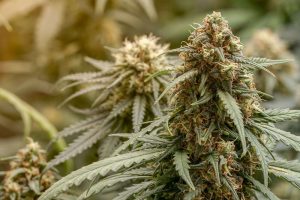
Heirloom cannabis, also called heirloom weed, describes older varieties maintained over generations, usually with limited introduction of unrelated genetics. A line may come from a regional population or a farming community.
There is no agreed age threshold or official cannabis certification for heirloom. It does not mean that a plant has remained genetically unchanged. Selecting breeding parents, unplanned pollination and maintaining too few plants can change a seed population over time.
Heirloom describes genetic history, not predictable height, aroma, cannabinoid levels or harvest size.
Heirloom vs Landrace Cannabis: What's the Difference?
Landrace cannabis refers to populations associated with particular growing regions, shaped over generations by climate and farmer selection. An heirloom line is defined more by the continuity of its cultivation and preservation. A landrace-derived population may become an heirloom when maintained over generations elsewhere. The terms overlap.
| Characteristic | Landrace cannabis | Heirloom cannabis |
| Main association | Traditional geographic region | Historically maintained lineage |
| Development | Local adaptation and farmer selection | Continued cultivation and selection |
| Location | Associated with its region of origin | May be maintained elsewhere |
| Variation | Can be substantial | Depends on breeding and preservation history |
Clarke and Merlin (2017) explain in their review of cannabis domestication that traditional landraces developed through natural and human selection. Neither category should be described as untouched or genetically pure. Even seeds from one historical population can produce plants with different structures and flowering times.

Heirloom Marijuana Strains: Where Do They Come From?
Cannabis spread through trade, migration and farming before commercial seed banks. People moved seeds into new environments, where farmers selected plants for local needs. The hippie trail of the 1960s and 1970s also contributed to movement of Asian cannabis genetics into Europe and North America, alongside earlier movements.
Several names illustrate regional backgrounds:
- Thai: Traditional Southeast Asian lines are often associated with tall plants and extended flowering, although individual lines vary.
- Acapulco Gold: A well-known Mexican name linked to cannabis grown around Acapulco and its international popularity during the 1960s and 1970s.
- Colombian Gold: A name associated with Colombian regional genetics that later appeared in breeding histories.
- Durban Poison: A variety associated with South African cannabis heritage, with commercial versions that may differ from older populations.
These are historical associations, not authenticated seed lots. A packet using an established name might contain a reproduction, a selected descendant or a newer hybrid.
Why You May Want to Try Heirloom Cannabis
What Are the Advantages of Heirloom Seeds?
Preserving genetic diversity. Traditional populations can retain traits less common in commercial breeding. Maintaining enough parent plants and records helps conserve diversity.
Exploring different characteristics. Some older lines have distinctive structures, flowering patterns or aromas. Traits vary by lineage.
Providing breeding material. An older line may supply useful parental genetics for future crosses. The basics of cannabis breeding explain why selecting parents changes subsequent generations rather than recreating the original population exactly.
Conditions also matter. Zandkarimi and colleagues (2023) compared genetically identical commercial cannabis plants grown indoors and outdoors and found differences in their cannabinoid and terpene profiles. This was not an heirloom study, but shows why ancestry cannot guarantee aroma or chemical composition. The compounds involved are explained further in the guide to cannabis terpenes.
Grower Tip: Choose a line for documented characteristics that interest you, rather than expecting an heirloom label to guarantee stronger plants or better harvests.
Heirloom Seeds vs Regular and Modern Cannabis Seeds
What is the Difference Between Heirloom and Regular Seeds?
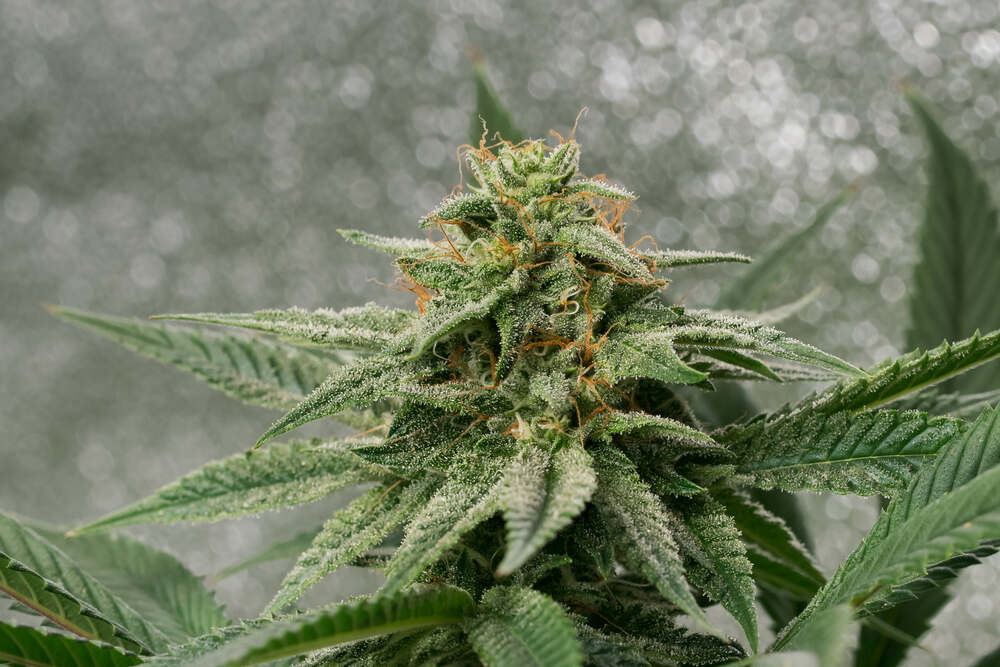
These descriptions refer to different things. Heirloom describes a genetic lineage, while regular cannabis seeds can produce male or female plants. A seed can be both heirloom and regular. Seed lines produced to develop predominantly female plants are another category, regardless of how old their ancestry is. See the comparison of regular and female-only cannabis seeds for more detail.
Are Heirloom Seeds Better Than Modern Cannabis Seeds?
Neither is inherently better. Modern hybrids may be bred for particular flowering periods, plant structures or chemical traits. Heirlooms may appeal more to growers interested in history, conservation or uncommon breeding material. Results still depend on the particular line and its growing environment.
| Consideration | Heirloom lines | Modern hybrids |
| Genetic background | Older maintained ancestry | More recent breeding combinations |
| Uniformity | Depends on how the population was preserved | Depends on breeding and testing |
| Primary interest | Heritage and genetic diversity | Selected, documented traits |
| Expected performance | Requires line-specific evidence | Requires variety-specific evidence |
Neither label guarantees germination, yields or resistance to pests. The guide to choosing cannabis seeds explains other factors worth comparing.
What to Look for in Heirloom Cannabis
Genetic History and Authenticity
Ask who maintained the line, where the original population came from and how its seeds were reproduced. Breeder records, dates and traceable seed-lot details are more useful than claims of purity. An old name without supporting information cannot establish that today's seeds match the original plants.
A genomic study by Ren and colleagues (2021), examining 110 cannabis accessions, documented the complex relationships among cultivated and traditional populations. It helps explain why ancestry needs careful investigation; it does not authenticate an individual commercial seed packet.
Growth Characteristics
Look for reported flowering duration, mature height and plant-to-plant variation. Some traditional tropical lines may need considerably more vertical space and time to finish than compact lines. In short outdoor seasons, a late-flowering plant may encounter cold or damp weather before harvest. A historic climate is not proof of suitability. Breeder descriptions help, but independently tested performance data may not be available for older lines.
Grower Tip: Compare a line's reported flowering period and final height with the conditions you can provide before choosing unfamiliar genetics.
Seed Quality and Preservation
Age cannot establish viability. Moisture, temperature changes and unsuitable storage can damage seeds. Look for information about seed age, storage and any germination testing. Maintaining enough breeding plants and avoiding unintended pollination matter; relying on one parent can narrow diversity. Preserving a seed sample in storage also differs from reproducing a living population: each new generation reflects the parents selected to produce it. Recording those choices makes it easier to understand what has changed and what has been retained.
Grower Tip: Keep seed-lot details and simple observations of plant height and flowering differences. Those records make future comparisons more useful.
Mendocino County and Its Historic Cannabis Genetics
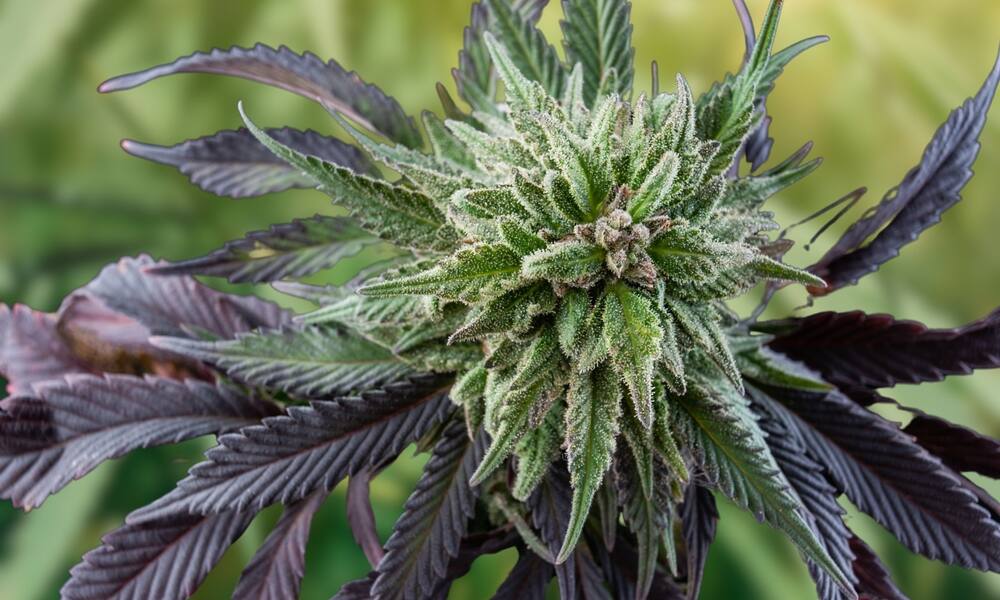
Mendocino County is part of Northern California's Emerald Triangle, a region associated with longstanding cannabis cultivation and local breeding. Growers maintained regional lines and introduced genetics from elsewhere, creating a history of preservation and selection. A plant being grown in Mendocino does not automatically make it an heirloom.
Mendocino Purps, or Mendo Purps, is a relevant example. A clone carries the genetic makeup of the selected parent plant; seed-grown offspring are not identical copies of that clone. See the cannabis cloning guide.
The early parentage is not firmly documented, so current products bearing the Mendo Purps name should not be assumed to contain an identical original line. Its history makes provenance essential.
Conclusion
Heirloom cannabis connects present-day cultivation with older genetic lineages and traditional growing communities. Its value lies in historical continuity, genetic diversity and potential breeding material, not guaranteed potency or yield. Before choosing heirloom seeds, examine their ancestry, condition and documented growth traits. Those details provide a sounder basis for comparison than the age or reputation of a strain name.
Frequently Asked Questions
How old must a cannabis strain be to qualify as heirloom?
There is no accepted minimum age. The label generally refers to an older line maintained across generations, ideally with traceable records.
Can heirloom seeds be produced to develop female plants?
Yes. Genetic ancestry and the methods used to produce seed are separate matters. However, the resulting seed line may differ from its source population.
Do heirloom cannabis strains produce smaller yields?
Not necessarily. Harvest size depends on the particular genetics, environment and plant management. Historical ancestry alone cannot predict yield.
Are heirloom cannabis seeds rare?
Some preserved lines are difficult to obtain, while others are widely reproduced. Scarcity does not prove authenticity.
Can modern hybrids contain heirloom genetics?
Yes. Breeders can include older lines as parents. Their descendants may inherit useful traits without themselves being heirlooms.
References
- Clarke, R. C., & Merlin, M. D. (2017). Cannabis Domestication, Breeding History, Present-day Genetic Diversity, and Future Prospects. Critical Reviews in Plant Sciences.
- Ren, G., et al. (2021). Large-scale whole-genome resequencing unravels the domestication history of Cannabis sativa. Science Advances.
- Zandkarimi, F., et al. (2023). Comparison of the Cannabinoid and Terpene Profiles in Commercial Cannabis from Natural and Artificial Cultivation. Molecules.

