




Pineapple Kush is an indica-dominant cannabis strain known for its sweet pineapple aroma, earthy Kush flavor and relaxing effects. Created by crossing OG Pineapple with Master Kush, this hybrid combines tropical fruit characteristics with the dense flowers and branching structure associated with traditional Kush genetics.
But what is Pineapple Kush actually like, and is it worth growing? In this Pineapple Kush strain review, we look at its genetics, THC strength, reported effects, taste, smell and growing characteristics. We'll also cover its advantages and drawbacks, helping you decide whether this fruity Kush variety is the right choice for you.
Key Takeaways
- Genetics: Pineapple Kush is a 70% indica-dominant hybrid created by crossing OG Pineapple with Master Kush.
- Taste and smell: Expect sweet pineapple and tropical fruit aromas, with earthy, pine and slightly caramel-like undertones.
- Effects: Commonly reported effects include an uplifting start followed by physical relaxation, although individual experiences vary.
- THC strength: With advertised THC levels reaching up to 24%, Pineapple Kush may be too strong for people sensitive to THC.
- Growing characteristics: Pineapple Kush is rated easy to grow, with a flowering period of around 8–10 weeks, moderate height and dense flowers that require attention to moisture.

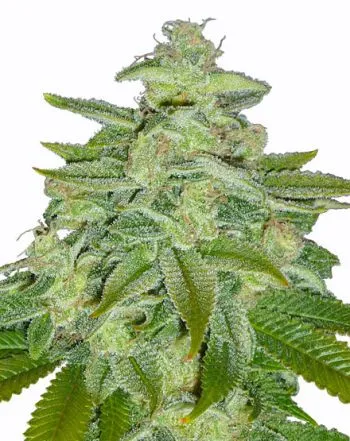
| THC % | Up to 24% |
|---|---|
| Flowering Time | 8-10 Weeks |
| Outdoor harvest | March |
| Yield | 500-600gr/m² |
| Indica/Sativa | Indica Dominant |
| Height | Medium: 100cm-180cm |
| Difficulty | Easy |
| CBD Content | <1% |
| Climate | Cool, Temperate, Warm |
| Seed Type | Feminized |
| Genetics | OG Pineapple x Master Kush |
| Effects | Relaxing |
| Taste | Pineapple, Tropical, Mint |
| Terpene | Myrcene, Caryophyllene, Pinene |
What is the Pineapple Kush Strain?
Pineapple Kush is a hybrid developed from OG Pineapple and Master Kush genetics. Its indica-dominant background gives it a relatively compact, bushy structure, while its tropical aroma separates it from more traditional earthy Kush varieties.
The Pineapple Kush Feminized variety is advertised as 70% indica and 30% sativa, with THC levels reaching up to 24%.
Like other indica cannabis strains, Pineapple Kush is often associated with physical relaxation. However, its effects cannot be predicted from its indica classification alone.
Pineapple Kush Strain Characteristics
| Characteristic | Pineapple Kush |
| Genetics | OG Pineapple × Master Kush |
| Strain type | Indica-dominant hybrid |
| Indica/Sativa | 70% Indica / 30% Sativa |
| THC | Up to 24% |
| CBD | Less than 1% |
| Main terpenes | Myrcene, caryophyllene, pinene |
| Aroma | Pineapple, tropical fruit, pine, earth |
| Flavor | Sweet fruit, caramel, earthy Kush |
| Reported effects | Uplifting initially, followed by relaxation |
| Plant height | 100–180 cm |
| Flowering time | 8–10 weeks |
| Indoor yield | 500–600 g/m² |
| Growing difficulty | Easy |
These figures are advertised characteristics of the feminized variety. Actual results depend on plant genetics, growing conditions and individual variation.

What Does Pineapple Kush Smell Like?
Pineapple Kush gets its name from its sweet, tropical aroma. Pineapple is the most distinctive note, accompanied by hints of fresh fruit, pine and damp earth.
The aroma becomes more noticeable as the flowers mature. Breaking apart dried flower may reveal a deeper, slightly spicy scent beneath the initial sweetness.
Three terpenes commonly associated with its aromatic profile are:
- Myrcene: Earthy, herbal and slightly musky.
- Caryophyllene: Peppery, woody and spicy.
- Pinene: Fresh, sharp and pine-like.
These compounds help explain the strain's range of aromas, although their concentrations can vary between plants.
One potential drawback is the strength of the smell. Anyone expecting a particularly discreet variety should consider that its tropical and earthy aromas can become quite pronounced during flowering.
What Does Pineapple Kush Taste Like?
Pineapple Kush has a sweet, fruity flavor, with pineapple providing the most recognizable character.
The initial tropical sweetness is commonly described as having a slightly creamy or caramel-like quality. Earthy and woody notes become more apparent underneath, particularly in descriptions of the lingering aftertaste.
Compared with some traditional Kush strains, which tend to have stronger earthy, pine or fuel-like flavors, Pineapple Kush has a more noticeable fruit character.
However, not every harvest will taste identical. Terpene expression, harvest maturity, drying and storage all influence the final aroma and flavor.
What Are the Effects of Pineapple Kush?
Pineapple Kush is commonly described as producing an initially uplifting experience followed by a calmer, more physically relaxed feeling.
Some consumers report feeling happier or more sociable during the early stages, while others describe a heavier, more settled sensation as the experience develops.
This makes Pineapple Kush a strain frequently associated with quieter evenings rather than activities requiring sustained concentration.
How Strong Is Pineapple Kush?
With advertised THC levels of up to 24%, Pineapple Kush falls into the high-THC category.
That strength may appeal to experienced consumers, but it is also a drawback for people who are sensitive to THC.
Possible unwanted effects include dry mouth, dry eyes, dizziness, anxiety and impaired coordination. Higher THC exposure can increase the likelihood of uncomfortable experiences.
Importantly, there is no guarantee that an indica-dominant variety will always produce sedating effects.
A 2022 study published in PLOS ONE examined commercial cannabis samples across six US states. Researchers found that commonly used strain labels did not consistently correspond with the plants' chemical composition.
This is a useful reminder that reported effects should be treated as general descriptions, not promises about how Pineapple Kush will affect every individual.
How to Grow Pineapple Kush
Pineapple Kush is generally considered an easy photoperiod variety to cultivate where growing cannabis is legal. Its moderate height and branching structure make it manageable indoors, although its dense flowers need attention during the later stages.
Step 1: Establish Healthy Early Growth
Allow young plants to develop healthy roots and several nodes before introducing training.
Pineapple Kush can develop broad foliage and strong side branches, so early plant health is important for supporting its eventual structure.
Avoid assuming that faster growth requires heavier feeding. Excess nutrients can cause problems just as readily as deficiencies.
Step 2: Manage the Branching Structure
As plants develop, their side branches may compete with the central stem for light.
Gentle low-stress training can help manage this growth and create a more even canopy.
The main advantage is better access to light across the plant. However, excessive manipulation can damage stems, particularly when plants are already under stress.
Step 3: Choose a Suitable Growing Medium
Pineapple Kush can be cultivated in soil or hydroponic systems.
Soil is generally more forgiving of minor watering and feeding mistakes, making it attractive to beginners. Hydroponics provides greater control over nutrient delivery but requires closer monitoring.
The comparison of soil and hydroponic growing explains the advantages and drawbacks of both methods.
Neither automatically guarantees better flowers or higher THC.
Step 4: Monitor Flower Development
Pineapple Kush has an advertised flowering period of approximately 8–10 weeks.
During flowering, its branches develop increasingly dense, resin-covered flowers. Orange pistils become more noticeable as the plant matures.
Although Pineapple Kush is sometimes described as resistant to mold, that should not be taken as a guarantee.
Dense flowers can retain moisture, particularly where airflow is restricted. Inspecting crowded growth and maintaining suitable environmental conditions remain important throughout flowering.
Step 5: Assess Maturity and Yield
Indoor yields are advertised at approximately 500–600 g/m², although actual harvests can fall outside this range.
Flower development, plant health and environmental conditions all influence productivity.
Do not judge maturity from orange pistils alone. These change color naturally, but their appearance is not a reliable standalone indication of readiness.
The guide to orange hairs on cannabis explains what pistil color can and cannot tell you about flower development.
Is Pineapple Kush Worth Growing?
Pineapple Kush has several appealing characteristics. Its tropical aroma distinguishes it from more traditional Kush varieties, while its moderate height and relatively short flowering period make it practical for growers with limited space.
Its strongest selling points are its sweet pineapple character, dense flowers and productive branching structure.
There are drawbacks, however. The pronounced aroma may be difficult to manage discreetly, dense flowers require moisture awareness, and its high THC potential will not suit everyone.
For growers interested in fruity indica-dominant genetics, Pineapple Kush is worth considering. Those seeking very low THC, minimal odor or an exceptionally small plant may be better served by another variety.
Frequently Asked Questions
Is Pineapple Kush indica or sativa?
Pineapple Kush is an indica-dominant hybrid, advertised as 70% indica and 30% sativa.
Is Pineapple Kush the same as Pineapple Express?
No. Pineapple Kush and Pineapple Express are different strains with distinct genetic backgrounds and growth characteristics, although both are associated with tropical pineapple aromas.
What does Pineapple Kush taste like?
Pineapple Kush is commonly described as sweet and fruity, with pineapple, caramel, pine and earthy undertones.
Is Pineapple Kush suitable for beginners?
The feminized variety is rated easy to grow, making it a reasonable option for newer growers. Its high THC potential, however, may not appeal to inexperienced consumers.
How long does Pineapple Kush take to flower?
Pineapple Kush has an advertised flowering period of approximately 8–10 weeks. Individual plants may mature earlier or later depending on genetics and growing conditions.
Reference
Smith, C. J., Vergara, D., Keegan, B., & Jikomes, N. (2022). The phytochemical diversity of commercial Cannabis in the United States. PLOS ONE, 17(5), e0267498. https://doi.org/10.1371/journal.pone.0267498
This research supports the discussion of chemical variation and the limitations of commercial strain classifications. It does not establish specific effects or medical benefits for Pineapple Kush.


