




Flushing cannabis is the process of replacing nutrient feedings with pH-adjusted water during the final stage of flowering to help reduce excess mineral salt buildup in the growing medium. While many cultivators include a cannabis flush as part of their pre-harvest routine, others believe a well-managed feeding program makes flushing unnecessary. As a result, it's one of the most debated topics in cannabis cultivation.
In this guide, you'll learn how to flush cannabis, when to flush cannabis plants, and how the process differs between soil, coco coir, hydroponic systems, and living soil. You'll also discover how to avoid common flushing mistakes, understand what current research says, and learn practical techniques I've developed over years of growing cannabis using different cultivation methods.
Key Takeaways
- Flush cannabis by replacing nutrient feedings with pH-adjusted water during the final stage of flowering when using synthetic nutrients.
- When to flush cannabis plants depends on your growing medium: 10–14 days before harvest for soil, 7–10 days for coco coir, and 5–7 days for hydroponic systems.
- Begin flushing based on plant maturity and trichome development, rather than relying solely on breeder flowering times.
- Maintain the correct water pH throughout the flush: 6.2–6.8 for soil, 5.8–6.2 for coco coir, and 5.5–6.0 for hydroponics, while avoiding overwatering and aiming for 10–20% runoff.
- While many growers report a smoother smoking experience after a cannabis flush, research remains mixed, and proper drying, curing, and harvest timing have an equally important impact on final flower quality.
What is flushing cannabis plants?
Before learning how to flush cannabis, it's important to understand what the process actually involves. A cannabis flush is the practice of replacing nutrient feedings with pH-adjusted water during the final stage of flowering. Unlike watering cannabis plants, flushing replaces nutrient solution with pH-adjusted water only. The goal is to reduce the amount of residual mineral salts in the growing medium before harvest.
Most liquid cannabis nutrients contain mineral salts that supply essential elements such as nitrogen, phosphorus, and potassium. As plants grow, some of these salts can build up in the root zone, particularly in soil, coco coir, and hydroponic systems where nutrients are applied regularly. A cannabis flush helps remove excess salts from the growing medium while allowing the plant to use the nutrients already stored within its leaves and tissues as it reaches maturity.
Many growers believe that flushing before harvest produces cleaner-tasting cannabis with a smoother smoking experience, particularly when using synthetic nutrient programmes. However, opinions on flushing vary within the cultivation community, and some commercial growers argue that well-managed feeding schedules eliminate the need for a final flush. Because of these differing viewpoints, it's important to understand both the practical process and the available evidence before deciding whether flushing is the right approach for your grow.
While most growers associate flushing with the final one to two weeks before harvest, the same technique can also be used earlier in a plant's life to help correct excessive salt buildup or nutrient-related issues. In the following sections, we'll look at when to flush cannabis plants, the differences between growing mediums, and how to flush a cannabis plant correctly for the best possible results.
When Should You Flush Cannabis Plants?
Knowing when to flush cannabis plants is just as important as understanding the flowering stage and learning how to flush cannabis correctly. Starting your flush too early can deprive plants of nutrients during the final stage of flower development, while starting too late may not give enough time to reduce excess mineral salts before harvest. Rather than relying solely on a breeder's estimated flowering time, the best approach is to monitor your plants as they mature and understand when to harvest cannabis, beginning the flush as they genuinely approach harvest.
For growers using synthetic nutrient programmes, flushing typically begins during the final one to two weeks of the flowering stage. However, the exact timing depends on the growing medium, the nutrients being used, and how quickly the plant is ripening.
Recommended Cannabis Flush Times
| Growing Medium | When to Start Flushing | Typical Flush Duration | Recommendation |
| Soil | 10–14 days before harvest | 10–14 days | Recommended when using synthetic nutrients. |
| Coco Coir | 7–10 days before harvest | 7–10 days | Ideal for growers using regular liquid feed schedules. |
| Hydroponics (DWC, RDWC, NFT, Rockwool) | 5–7 days before harvest | 5–7 days | Inert systems flush much faster than soil. |
| Living Soil | Usually not required | N/A | Healthy microbial life continues supplying nutrients naturally. |
| Organic Growing | Depends on the feeding programme | Often unnecessary | Many organic growers allow plants to finish naturally without a traditional flush. |
Flush According to Plant Maturity, Not the Calendar
One lesson I've learned after growing cannabis in soil, coco coir and hydroponic systems is that flowering schedules printed by seed banks should be treated as a guideline rather than a deadline. An advertised eight-week flowering photoperiod strain can easily require another week depending on its phenotype, environmental conditions and overall plant health.
Instead of counting days, I watch how the flowers develop. Once the buds have finished swelling and the majority of trichomes have turned cloudy with only a small percentage becoming amber, I know it's time to begin the cannabis flush. This approach has consistently produced more reliable harvests than following the calendar alone.
Several factors can influence when your plants reach maturity, including:
- Genetics and cultivar characteristics
- Light intensity and daily light integral (DLI)
- Temperature and vapor pressure deficit (VPD)
- Root health and nutrient availability
- Carbon dioxide (CO₂) supplementation
- Plant stress during flowering
These variables explain why two plants grown from the same pack of seeds may not always finish on the same day.
Should You Flush During Every Growth Stage?
A common misconception is that flushing should be performed regularly throughout a plant's life. In reality, routine flushing is rarely necessary outside of correcting nutrient-related problems or preparing plants for harvest.
| Cannabis Growth Stage | Should You Flush? | Reason |
| Seedling | ❌ No | Plants in the seedling stage require minimal nutrients and should establish healthy roots without interruption. |
| Vegetative Stage | ⚠️ Only if necessary | During the vegetative stage, flush only to correct nutrient burn, salt buildup or nutrient lockout. |
| Early Flowering | ❌ No | Plants require consistent nutrition to support rapid flower formation. |
| Mid Flowering | ⚠️ Occasionally | Emergency flushing may help correct severe overfeeding or excess EC levels. |
| Late Flowering | ✅ Yes (Synthetic Nutrients) | Begin flushing once plants are approaching harvest. |
| Final Week Before Harvest | ✅ Continue Flush | Maintain your flushing schedule until harvest day. |
If your plants remain healthy throughout the vegetative stage and flowering, there is usually no benefit in flushing them until they reach the final stage of bloom. However, if excessive nutrient salts accumulate around the root zone and runoff EC rises significantly, an earlier flush can help restore nutrient balance before normal feeding resumes.
Use Trichomes to Decide When to Flush
Trichomes provide one of the most accurate indicators of harvest readiness and are far more reliable than counting flowering days.
| Trichome Appearance | Plant Maturity | Recommended Action |
| Clear | Still developing | Continue feeding normally. |
| Mostly Cloudy | Nearly mature | Begin your cannabis flush. |
| Mostly Cloudy with 10–20% Amber | Peak ripening | Continue flushing until harvest. |
| Mostly Amber | Fully mature | Harvest according to your preferred cannabinoid profile. |
Using a jeweller's loupe or digital microscope to inspect trichomes allows you to tailor your flushing schedule to each individual plant rather than relying on generic flowering estimates.
Does the Nutrient Programme Matter?
The type of nutrients you use can also influence whether a traditional flush is necessary.
| Nutrient Programme | Flush Recommendation |
| Synthetic Mineral Nutrients | Recommended before harvest to reduce excess mineral salt buildup. |
| Organic Bottled Nutrients | May benefit from a shorter flush depending on the manufacturer's feeding schedule. |
| Dry Amendments | Usually unnecessary unless correcting nutrient imbalances. |
| Living Soil | Traditional flushing is rarely required because nutrients are released naturally through microbial activity. |
Many growers using living soil, particularly with outdoor cannabis strains, allow plants to finish naturally without a traditional flush.
While experienced cultivators have differing opinions on flushing, I've found that timing is far more important than extending the flush itself. Earlier in my growing journey, I experimented with flushing for nearly three weeks, believing a longer flush would produce cleaner flowers. In practice, I noticed very little improvement compared to a well-timed 10 to 14-day flush, while some cultivars faded before they had completely finished swelling. Since then, I've focused on reading the plant rather than following a fixed schedule, and the consistency of my harvests has improved considerably.
How to Flush Cannabis Plants Step-by-Step
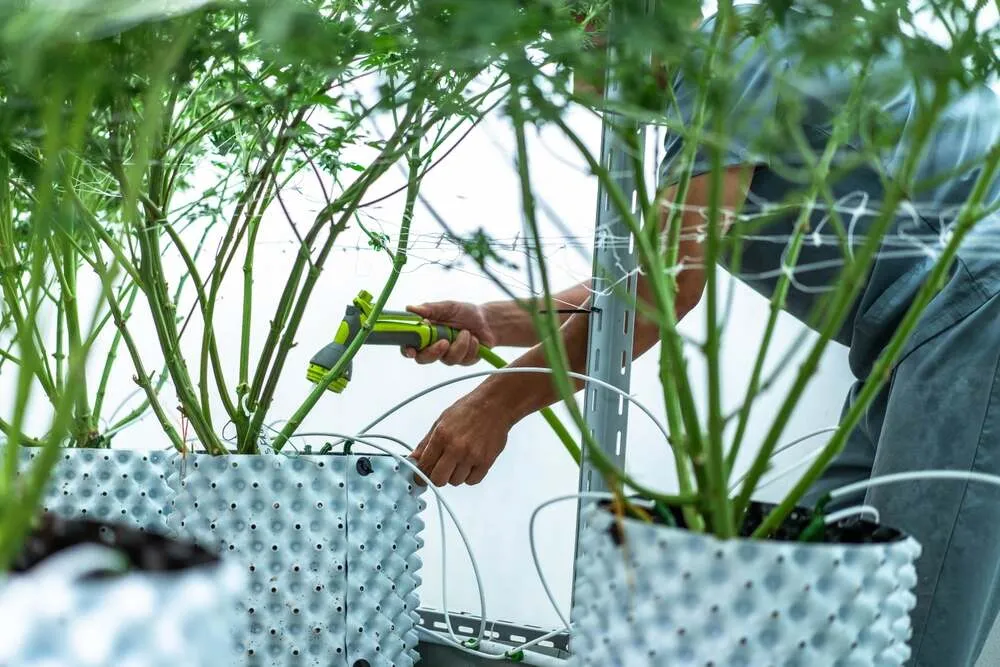
Once you've determined when to flush cannabis plants, the next step is carrying out the process correctly. Learning how to flush a cannabis plant isn't about pouring excessive amounts of water through the growing medium. Instead, it's about replacing nutrient feedings with properly pH-adjusted water while maintaining a consistent watering routine until harvest.
One of the biggest mistakes I made early in my growing journey was assuming that flushing meant drowning the root zone. I believed that the more water I used, the cleaner the final product would be. In reality, all I achieved was waterlogged soil, stressed roots and slower flower development. After several grows, I found that treating flushing exactly like a normal watering schedule—only replacing nutrients with pH-adjusted water—produced healthier plants and more consistent harvests.
Before You Begin
Having the right equipment makes the flushing process much easier and helps avoid common mistakes.
| Equipment | Why It's Important |
| pH Meter | Ensures water stays within the ideal pH range for nutrient uptake. |
| EC/PPM Meter (Optional) | Measures runoff to monitor excess mineral salts. |
| Clean Water | Reduces the risk of introducing contaminants into the root zone. |
| Watering Can or Hose | Allows slow, even watering across the entire pot. |
| Runoff Tray | Collects excess water so runoff can be inspected. |
Recommended Water pH
| Growing Medium | Recommended pH |
| Soil | 6.2–6.8 |
| Coco Coir | 5.8–6.2 |
| Hydroponics | 5.5–6.0 |
Maintaining the correct pH helps the plant continue absorbing any remaining nutrients stored within the growing medium while preventing unnecessary nutrient lockout during the final stage of flowering.
Step 1: Stop Feeding Nutrients
The first step in how to flush cannabis is to discontinue all nutrient feedings. Instead of mixing your usual fertilizer solution, prepare clean water that has been adjusted to the correct pH for your growing medium.
Some growers choose to add enzyme products or commercial flushing solutions during this stage to help break down organic matter and residual salts around the root zone. While these products are widely available, plain pH-adjusted water remains the standard approach for many home growers.
Step 2: Water Slowly Until You Achieve Runoff
Water your plants using the same volume you would normally apply during your regular watering schedule. There's no need to dramatically increase the amount of water simply because you're flushing.
Aim for approximately 10–20% runoff from the bottom of the container. This helps carry dissolved mineral salts away from the root zone without leaving the growing medium saturated for extended periods.
If you're growing in hydroponics, replace the nutrient solution in the reservoir with fresh, pH-adjusted water and maintain normal circulation until harvest.
Step 3: Allow the Growing Medium to Dry Naturally
Resist the temptation to water every day.
Allow the growing medium to dry naturally before watering again. In soil, this often means waiting until the pot feels noticeably lighter or the top few centimetres of soil have dried. Coco coir generally dries more quickly and may require more frequent irrigation, while hydroponic growers simply maintain fresh water in the reservoir throughout the flushing period.
Keeping a normal watering schedule allows the roots to remain healthy and oxygenated throughout the final stage of flowering.
Step 4: Monitor Your Plants Throughout the Flush
A successful cannabis flush isn't measured by how much water you use but by how your plants respond.
As harvest approaches, it's perfectly normal to observe:
- Fan leaves gradually fading from green to yellow.
- Lower leaves naturally senescing as stored nutrients are used.
- Healthy flowers continuing to swell.
- Stable environmental conditions and healthy root development.
If you're using an EC or PPM meter, you'll often notice runoff readings gradually decreasing as excess mineral salts leave the growing medium. While exact values vary depending on your feeding programme, a downward trend generally indicates that the flush is progressing as expected.
Step 5: Continue Flushing Until Harvest
Continue watering with pH-adjusted water throughout your planned flushing period.
As a general guide:
| Growing Medium | Typical Flush Duration |
| Soil | 10–14 days |
| Coco Coir | 7–10 days |
| Hydroponics | 5–7 days |
Rather than extending the flush unnecessarily, focus on harvesting when the trichomes reach your desired level of maturity. During my early grows, I experimented with flushing for almost three weeks, believing that a longer flush would produce better-quality flowers. I found very little improvement compared to a well-timed 10 to 14-day flush, while some cultivars began fading before they had fully finished swelling. Since then, I've prioritised plant maturity over simply increasing the flushing period, and the results have been far more consistent.
Troubleshooting Common Flushing Problems
| Problem | Possible Cause | Recommended Solution |
| Pots remain constantly wet | Overwatering | Allow the growing medium to dry before watering again. |
| Leaves yellow rapidly early in flowering | Flush started too soon | Resume feeding if harvest is still several weeks away. |
| Runoff EC remains very high | Heavy salt buildup | Continue flushing while monitoring runoff levels. |
| Plants remain dark green near harvest | Flush started too late | Extend the flush slightly if the plants are not yet ready to harvest. |
| Wilting despite wet soil | Poor root oxygen | Reduce watering frequency and improve airflow around the containers. |
Common Mistakes to Avoid When Flushing Cannabis
A successful cannabis flush isn't just about replacing nutrients with water—it's also about avoiding common mistakes that can stress your plants during the final stage of flowering. In my experience, growers often encounter problems not because they flush, but because they change their normal routine too drastically. Keeping the process simple and consistent usually delivers the best results.
| Mistake | Why It's a Problem | How to Avoid It |
| Overwatering | Reduces oxygen around the roots and slows plant development. | Maintain your normal watering schedule and aim for around 10–20% runoff. |
| Flushing Too Early | Can reduce nutrient availability before flowers have fully matured. | Begin flushing when plants are approaching harvest, not simply when the calendar says so. |
| Flushing Too Late | Leaves little time to reduce excess mineral salts before harvest. | Monitor trichomes and start flushing at the appropriate stage of maturity. |
| Incorrect Water pH | May contribute to nutrient lockout and unnecessary plant stress. | Always adjust water to suit your growing medium. |
| Flushing Living Soil Unnecessarily | Can interfere with the natural soil ecosystem. | Only flush living soil if you're correcting a specific nutrient-related issue. |
Overwatering
One of the most common mistakes is using far more water than the plant normally receives. Early in my growing journey, I assumed heavier watering would produce a better flush, but it simply left the growing medium saturated and the roots struggling for oxygen. Since then, I've treated flushing like a regular watering schedule—using pH-adjusted water instead of nutrients—and my plants have consistently finished stronger.
Poor Timing
Timing has a greater impact on a successful flush than extending the process. Starting too early can cause plants to use stored nutrients before the flowers have finished swelling, while waiting until the final few days before harvest may not give soil-grown plants enough time to complete the flush properly.

Potential Benefits of Flushing Cannabis
Whether you decide to flush cannabis before harvest often comes down to your growing method and personal experience. While flushing remains a widely used practice among home cultivators, opinions differ across the cannabis industry. Some growers believe a well-timed cannabis flush improves the final smoking experience, whereas others argue that proper nutrition throughout the grow eliminates the need for flushing altogether. Current research is mixed, so it's important to view flushing as one part of the overall cultivation process rather than a guaranteed way to improve flower quality.
| Potential Benefit | Why It Matters |
| Reduces excess mineral salts | Helps remove accumulated salts from soil, coco coir, and hydroponic systems using synthetic nutrients. |
| Supports a smoother transition to harvest | Encourages plants to rely on stored nutrients during their final stage of flowering. |
| May improve the smoking experience | Many growers report smoother smoke when flushing is combined with proper drying and curing. |
| Prepares the root zone for harvest | Removes residual nutrient solution from the growing medium before plants are cut down. |
Reducing Mineral Salt Buildup
Synthetic nutrient programs naturally leave behind mineral salts within the growing medium over time. Replacing nutrient feedings with pH-adjusted water during the final stage of flowering helps reduce this buildup, particularly in soil, coco coir, and hydroponic systems where plants receive regular liquid fertilizers.
Supporting a Smoother Smoking Experience
Over the years, I've harvested plants that were flushed before harvest and others that weren't. From my experience, the most noticeable difference isn't necessarily potency, but the overall smoking experience. When a well-timed flush is combined with proper drying and curing, the finished flowers often produce a cleaner, smoother smoke. That said, flushing alone won't compensate for poor harvesting, drying, or curing practices, which have an equally important influence on the final quality of the buds.
Preparing Plants for Harvest
A cannabis flush also provides a natural transition from active feeding to harvest. During this period, growers can focus on monitoring trichome development, maintaining a stable environment, and allowing plants to finish maturing without introducing additional nutrients. Whether you choose to flush or not, harvesting healthy plants, trimming weed correctly, and curing it properly will have the greatest impact on the quality of your finished cannabis.
Frequently Asked Questions
Do you need to flush cannabis?
Whether you need to flush cannabis depends largely on your growing method and nutrient program. Growers using synthetic liquid nutrients often choose to flush before harvest to help reduce excess mineral salts in the growing medium. However, many living soil and organic growers skip a traditional flush altogether because nutrients are released naturally through microbial activity. Ultimately, flushing is a cultivation choice rather than a strict requirement.
Does flushing reduce cannabis yields?
Current evidence suggests that a properly timed flush during the final stage of flowering has little impact on yield. A study by RX Green Technologies found no significant differences in yield between flushed and non-flushed plants grown under the conditions tested. Starting the flush too early, however, may reduce nutrient availability before flowers have fully matured, which is why timing remains important.
Can you flush cannabis before harvest only?
No. Although flushing is most commonly associated with the final week or two before harvest, it can also be used earlier in a plant's life to correct nutrient burn, salt buildup, or high runoff EC levels. These corrective flushes are different from a planned pre-harvest flush and are only carried out when necessary.
Should you flush organic or living soil?
In most cases, no. Living soil relies on beneficial microbes to break down organic matter and make nutrients available to the plant over time. Because these systems don't depend on mineral salt fertilizers in the same way as synthetic feeding programs, a traditional flush is generally unnecessary unless you're addressing a specific nutrient-related issue.
Can you use enzymes during a cannabis flush?
Yes. Some growers use enzyme products during a cannabis flush to help break down dead root material and organic residue around the root zone. While many cultivators report good results, plain pH-adjusted water remains the most widely used flushing method, and there's limited independent research showing that enzyme products improve the final quality of harvested cannabis.
Can you flush cannabis for too long?
Yes. Extending the flushing period unnecessarily can cause plants to exhaust their stored nutrients before they have finished developing. In my experience, a flush lasting around 10–14 days for soil or 5–7 days for hydroponics provides a good balance between preparing plants for harvest and allowing flowers to finish maturing naturally.
Can flushing fix nutrient burn?
Flushing can help reduce excess mineral salts when nutrient burn has been caused by overfeeding. Replacing nutrient solution with pH-adjusted water helps restore balance around the root zone before normal feeding resumes. However, flushing won't solve every plant health issue, so it's important to identify the underlying cause before taking corrective action.
Should you use tap water to flush cannabis?
That depends on your local water quality. If your tap water has a suitable pH and low levels of dissolved minerals, it can usually be used for flushing. However, growers with very hard water may prefer filtered or reverse osmosis (RO) water to avoid introducing additional mineral salts during the flushing period.


