




Autoflowers stretch during flowering, often gaining noticeable height as they move into early flower development. This natural growth spurt, known as autoflower stretch, usually begins around weeks 3–5 and commonly lasts 2–3 weeks, although timing varies between strains.
How much autoflowers stretch depends mainly on genetics, while light intensity, temperature and growing conditions can influence stem growth. Some plants remain compact, while others grow considerably taller before flowering is fully established.
Understanding when autoflowers stretch, how long it lasts and what causes excessive growth helps you identify normal development and manage plant height during flowering.
Key Takeaways
- Stretch timing: Autoflower stretch often begins around weeks 3–5 as flowering starts.
- Duration: Rapid vertical growth commonly lasts 2–3 weeks, depending on the strain.
- Height increase: Genetics largely determine how much an autoflower stretches during flowering.
- Excessive stretching: Insufficient light, high temperatures and crowded conditions can contribute to longer, weaker stems.
- Managing stretch: Suitable light intensity, stable conditions and gentle low-stress training can help control plant height.
What is Autoflower Stretch?
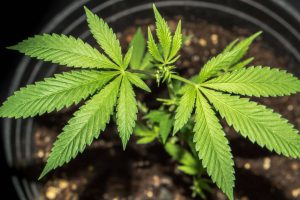
Autoflower stretch is a period of rapid stem and branch growth during early flowering. As the plant develops flowering sites, the spaces between nodes, known as internodes, may become longer.
This is a natural stage of development. Autoflowers begin flowering according to their genetic development rather than requiring a change in daylength. Research by Leckie et al. (2024) identified a genetic mechanism associated with this flowering characteristic.
Normal Stretch vs Excessive Stretch
Healthy stretching involves continued height gain, expanding branches and sturdy stems. Excessive stretching may produce thin stems, unusually long internodes and weak upper growth.
The aim is not to prevent stretching entirely, but to identify when growing conditions are contributing to poor plant structure.
When Do Autoflowers Stretch During Flowering?
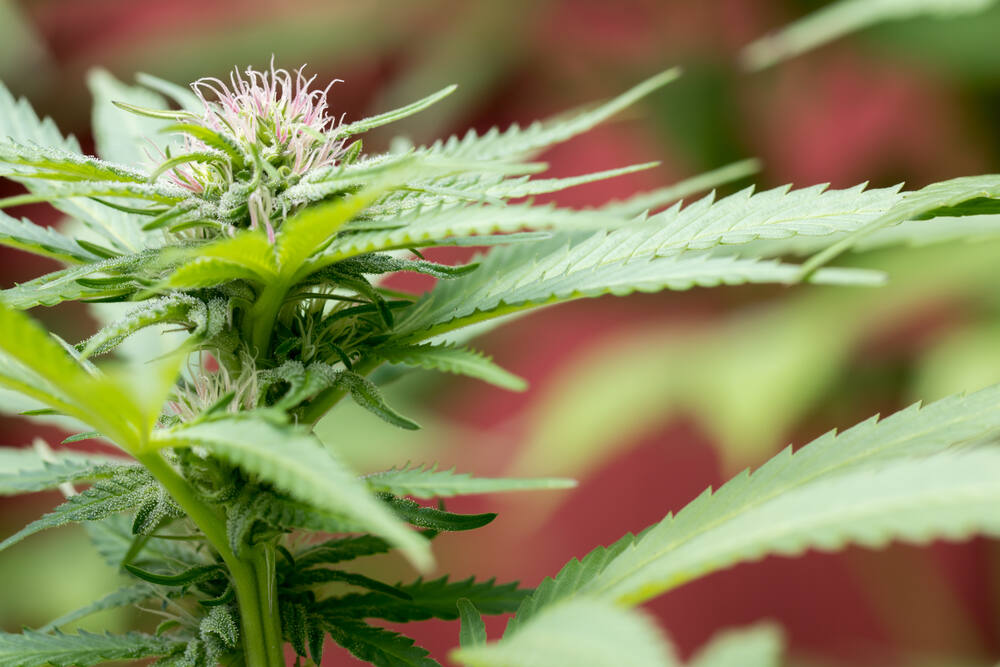
Autoflowers often begin stretching around weeks 3–5 after emergence, as the first signs of flowering appear.
Small white pistils may develop at the nodes, followed by faster vertical growth and branch extension. The timing depends on genetics and how quickly the plant progresses through its autoflower growth stages.
Autoflower Stretch Week by Week
| Growth stage | What to expect |
| Weeks 1–2 | Early root, stem and leaf development |
| Weeks 3–4 | Pre-flowers may appear and stretch can begin |
| Weeks 4–6 | Rapid height gain in many autoflowers |
| Weeks 6–7 | Stretch often slows as flowers develop |
These stages are approximate. Some strains flower earlier, while others continue stretching later.
How Long Does Autoflower Stretch Last?
The main flowering stretch commonly lasts around 2–3 weeks. Signs that vertical growth is slowing include:
- Smaller height increases over several days.
- Less extension between new nodes.
- More noticeable flower development along branches.
Once stretching slows, flowers continue developing, although some additional height gain may occur.
How Much Do Autoflowers Stretch?
The amount of stretch varies considerably between autoflower strains. Some remain compact, while others gain substantial height during early flowering.
For example, a plant measuring 30 cm before stretch would reach 45 cm after a 50% increase. If its height doubled, it would reach 60 cm.
These are examples rather than guaranteed stretch percentages.
Compact varieties, including many indica autoflower seeds, often develop shorter internodes. Some sativa autoflower seeds produce taller branches, although strain labels alone cannot reliably predict height.
When selecting autoflower seeds, compare their expected mature height and growth characteristics.
Understanding how tall autoflowers grow also helps when planning the available space before flowering begins.

Why Are My Autoflowers Stretching Too Much?
Genetics determine much of an autoflower's natural height, but light intensity, temperature and plant spacing can also affect stem development.
Insufficient light may encourage longer, thinner stems. High temperatures can contribute to stem elongation, while crowded plants may compete for available light.
| Observation | Possible cause | What to check |
| Tall plant with sturdy stems | Natural genetics | Expected strain height |
| Thin stems and wide internodes | Insufficient light | Canopy light intensity |
| Uneven branch growth | Uneven light coverage | Plant position and spacing |
| Excessive height in warm conditions | Temperature may contribute | Canopy temperature |
| Slow growth with weak stems | Possible growing stress | Root health and watering |
Research by Schober et al. (2024) examined how plant density influences cannabis growth and crop structure. Although not specific to autoflower stretch, the findings support the importance of plant spacing.
The number of autoflowers in a grow tent should therefore account for their expected mature size, not simply the space seedlings occupy.
How to Manage Autoflower Stretch During Flowering
Managing excessive stretch involves checking light coverage, maintaining stable growing conditions and using gentle training where appropriate.
Check Light Intensity and Distance
Start by checking the distance between the grow light and the upper canopy.
Lights positioned too far away may provide insufficient intensity, while lights placed too close can cause light stress.
Follow the manufacturer's recommended distance and measure photosynthetic photon flux density (PPFD) where possible. PPFD indicates how much usable light reaches the canopy each second.
Understanding PAR, PPFD and DLI for autoflowers helps you assess light intensity and daily exposure.
Research by Rodriguez-Morrison et al. (2021) demonstrated how light intensity affects cannabis growth and flower production, although the study did not specifically measure autoflower stretch.
Grower Tip: Measure light intensity at canopy height rather than judging brightness by eye. Adjust the fixture gradually and monitor the upper leaves for light stress.
Maintain Suitable Growing Conditions
Keep temperatures stable and allow air to circulate between plants.
For many indoor setups, approximately 22–26°C during the light period is a reasonable starting range, although suitable conditions depend on the growing environment.
Leave enough space between plants to reduce shading and maintain even light coverage. Suitable temperature and humidity for autoflowers also help limit environmental stress during flowering.
Grower Tip: Measure plant height every two or three days during early flowering. Tracking growth helps you identify when stretching begins and when it starts slowing.
Use Gentle Low-Stress Training
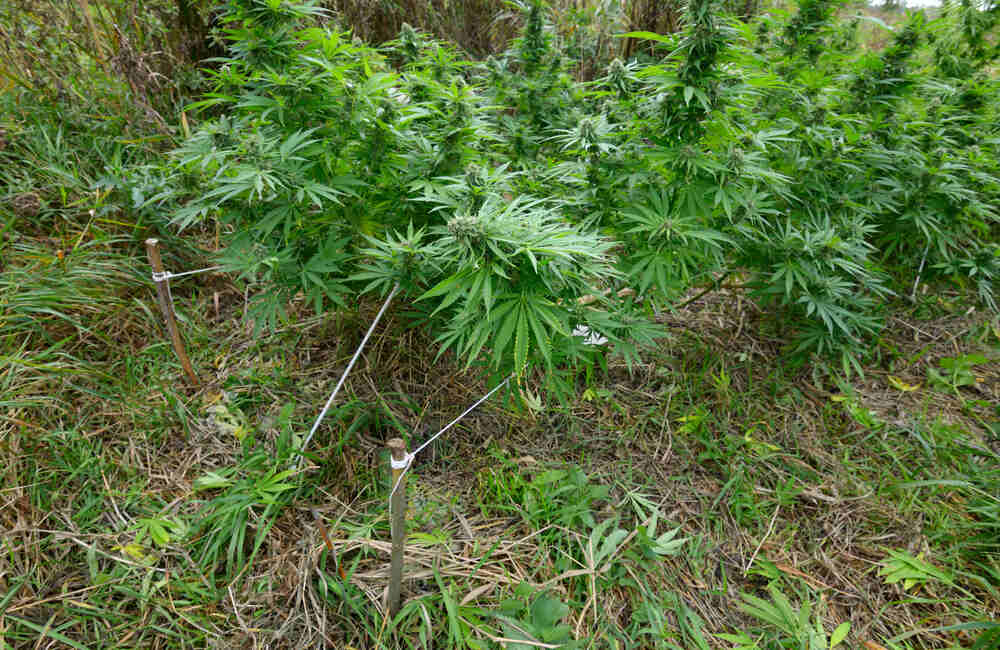
Low-stress training (LST) helps manage height by encouraging flexible branches to grow sideways rather than straight upwards.
Gently bend a flexible branch away from the main stem and secure it with a soft plant tie. This spreads growth across the canopy and can improve light distribution.
Avoid forcing rigid stems into position or making major changes once flowering is well established.
Applying low-stress training to autoflowers while branches remain flexible helps manage height without removing healthy growth.
Grower Tip: Begin gentle training while branches are flexible. Check plant ties regularly and loosen them as stems become thicker.
Does Autoflower Stretch Affect Flower Size and Yield?
Stretching alone does not determine flower size or final yield.
Moderate stem extension can help separate flowering sites, while excessive height may reduce light reaching lower branches.
However, long internodes do not automatically produce loose flowers. Genetics, lighting and growing conditions all influence flower development.
Maintaining healthy growth and even light coverage is more important than preventing natural stretching.
Conclusion
Autoflower stretch is a natural part of early flowering, with genetics, light intensity and growing conditions influencing how much height a plant gains. Most autoflowers experience their fastest vertical growth during the first few weeks of flowering before slowing as flowers develop.
Not every tall autoflower has a problem. Healthy stems and steady development usually indicate normal stretching, while thin stems and unusually wide internodes may suggest insufficient light. Monitoring plant height, maintaining suitable conditions and using gentle training can help manage excessive growth without unnecessary stress.
Frequently Asked Questions
Can Autoflowers Stretch Under 24 Hours of Light?
Yes. Autoflowers can stretch and develop flowers under continuous light because their flowering cycle does not depend on a change in daylength. However, light intensity and overall plant health still influence growth.
Do Autoflowers Stretch When Grown Outdoors?
Yes. Outdoor autoflowers experience the same natural flowering stretch. The amount of height gained depends on genetics, sunlight, temperature and environmental conditions.
Can Small Pots Affect Autoflower Stretch?
Small pots can restrict root development and limit overall plant size. However, restricted root space does not necessarily cause excessive stretching. Genetics and growing conditions remain important factors.
Can You Bend Autoflower Branches After Flowering Begins?
Yes, flexible branches can sometimes be gently repositioned during early flowering. Avoid forcing rigid stems or making major adjustments once flower development is well established, as this can damage the plant.
Do Autoflowers Continue Developing Flowers After Stretching Stops?
Yes. Once rapid vertical growth slows, existing flowering sites continue developing towards maturity. The plant may still gain some height, but flower development becomes more noticeable.
References
- Leckie, K. M., et al. (2024). Loss of daylength sensitivity by splice site mutation in Cannabis pseudo-response regulator. The Plant Journal, 118(6), 2020–2036.
- Rodriguez-Morrison, V., Llewellyn, D., & Zheng, Y. (2021). Cannabis Yield, Potency, and Leaf Photosynthesis Respond Differently to Increasing Light Levels in an Indoor Environment. Frontiers in Plant Science, 12, 646020.
- Schober, T., Präger, A., Hartung, J., & Graeff-Hönninger, S. (2024). The effects of plant density and duration of vegetative growth phase on agronomic traits of medicinal cannabis (Cannabis sativa L.): A regression analysis. PLOS ONE, 19(12), e0315951.


