




Aeroponics is an advanced cultivation method that gives growers precise control over water, nutrients, and oxygen to create an ideal environment for healthy cannabis plants. Unlike soil or hydroponic systems, aeroponic cannabis cultivation suspends roots in the air and delivers a nutrient-rich mist, promoting efficient uptake and strong root development.
As more growers adopt cannabis aeroponics, its popularity continues to rise. An aeroponic cannabis grow can support faster growth, healthier roots, and efficient water use, but it also requires careful setup, regular maintenance, and reliable equipment to achieve consistent results.
In this guide, we’ll explain how aeroponic cannabis systems work, compare them with other methods, and show you how to get started.
Key takeaways
- Aeroponic cannabis systems suspend roots in the air, delivering a fine nutrient mist that maximizes oxygen exposure and supports healthy root development.
- Cannabis aeroponics can promote faster growth and efficient water use than soil cultivation when the system is properly maintained and environmental conditions remain stable.
- There are three main types of aeroponic systems Low-Pressure Aeroponics (LPA), High-Pressure Aeroponics (HPA), and Fogponics each offering different levels of performance, maintenance, and cost.
- A successful aeroponic cannabis grow depends on reliable equipment and regular maintenance, including monitoring pH, EC, water temperature, and cleaning misting nozzles to prevent blockages.
- Aeroponics is best suited to intermediate and experienced growers who want greater control over plant development and are comfortable managing a more technical cultivation system.
What is aeroponics?
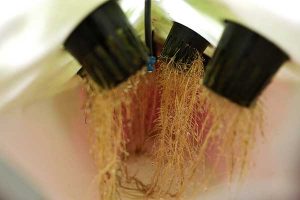
Aeroponics is a soilless cultivation method that grows plants without soil or traditional media. Instead, roots are suspended in a dark chamber and regularly sprayed with a fine nutrient-rich mist. This setup provides constant access to oxygen while delivering water and essential minerals for healthy growth.
In cannabis cultivation, aeroponic cannabis systems create ideal conditions for rapid root development and efficient nutrient uptake. Unlike soil or hydroponic setups, roots are not submerged or surrounded by media. Instead, they remain exposed to oxygen-rich air between misting cycles, encouraging stronger, healthier root systems.
Cannabis aeroponics is popular among experienced growers and commercial operations because it allows precise control over nutrients, water use, and environmental conditions. However, it is also a technical method that requires careful monitoring of pH, electrical conductivity (EC), reservoir temperature, and equipment performance.
We’ve found that an aeroponic cannabis grow rewards growers who prioritize consistency and maintenance. Clean systems, stable nutrient levels, and reliable misting cycles are essential. Even short interruptions can stress exposed roots, making preventative care just as important as genetics.
How does cultivating cannabis with aeroponics work?
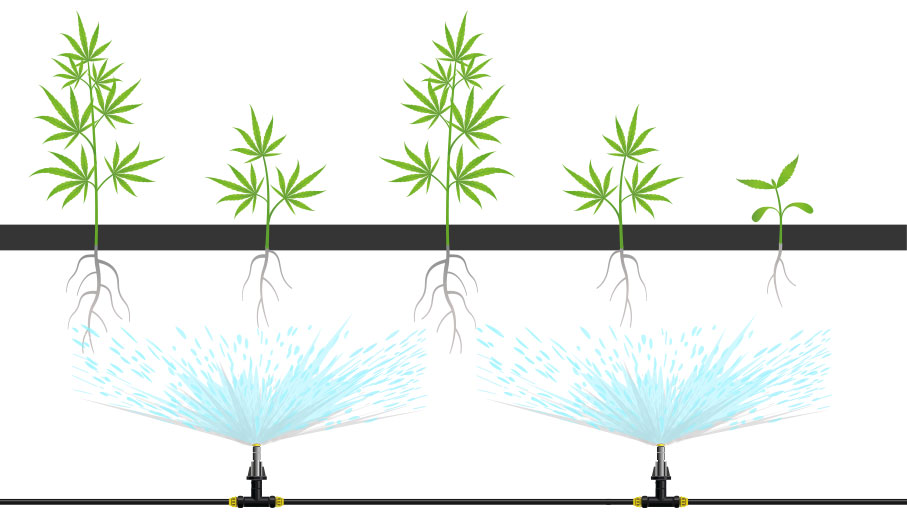
An aeroponic cannabis system supports plants in net pots or collars above a sealed reservoir. Roots hang freely in a lightproof chamber while a pump delivers nutrient solution through misting nozzles or foggers at set intervals.
Each cycle coats the roots with fine droplets containing water and nutrients. Between sprays, roots remain surrounded by oxygen-rich air, allowing them to absorb both oxygen and moisture efficiently. This balance drives rapid root growth and strong vegetative development.
A typical system includes:
- Nutrient reservoir
- Water pump
- Misting nozzles or foggers
- Tubing
- Timer or controller
- Net pots or collars
Because roots are exposed, system reliability is critical. Growers must regularly clean equipment, check for blockages, and maintain pH between 5.5 and 6.2 to ensure consistent nutrient delivery.
3 Types of aeroponic cannabis cultivation systems
Aeroponic systems vary based on how nutrients are delivered to the roots.
1. Low-Pressure Aeroponics (LPA)
Low-Pressure Aeroponics (LPA) is the simplest and most affordable form of cannabis aeroponics. A standard pump pushes nutrient solution through low-pressure sprayers, producing larger droplets that keep roots moist.
LPA systems are popular with home growers due to their low cost and ease of setup. While they don’t produce ultra-fine mist, they still offer better oxygen exposure than many hydroponic systems.
2. High-Pressure Aeroponics (HPA)
High-Pressure Aeroponics (HPA) uses specialised pumps to create a fine mist under high pressure. Smaller droplets improve nutrient absorption and maximise oxygen exposure, leading to faster growth and stronger root systems.
HPA is widely used in commercial cultivation but requires higher investment and more maintenance.
3. Fogponics (Ultrasonic Fogger Aeroponics)
Fogponics uses ultrasonic foggers to create an ultra-fine nutrient fog. This allows roots to absorb moisture while remaining highly oxygenated.
Although effective, fogponics requires careful monitoring and regular cleaning, making it best suited to experienced growers.
| Feature | Low-Pressure Aeroponics | High-Pressure Aeroponics | Fogponics |
| Equipment Cost | Low | High | Medium–High |
| Root Oxygenation | Good | Excellent | Excellent |
| Growth Potential | High | Very High | Very High |
| Maintenance | Low | High | High |
| Best For | Hobby growers | Advanced/commercial | Experienced |
Aeroponics vs. hydroponics: what is the difference?
Both aeroponics and hydroponics are soilless methods, but they differ in nutrient delivery. Hydroponic systems submerge roots in nutrient solution or support them in media like rockwool. In contrast, an aeroponic cannabis grow suspends roots in air and feeds them with mist.
Aeroponics provides higher oxygen levels, which can lead to faster growth and improved nutrient uptake. However, hydroponics is generally more forgiving if equipment fails.
| Feature | Aeroponics | Hydroponics |
| Root Environment | Suspended in air | Submerged or in growing media |
| Oxygen Availability | Excellent | High |
| Water Usage | Very efficient | Efficient |
| Growth Rate | Faster potential | Fast |
| Maintenance | High | Moderate |
| Beginner Friendly | Moderate | Yes |
Aeroponics vs. soil: how do they compare?
Soil is the most forgiving method for growing cannabis, especially for beginners. It naturally buffers pH changes and supports beneficial microbes that aid plant health.
An aeroponic cannabis system offers greater precision by giving growers full control over nutrients, irrigation, and oxygen levels. This can result in faster growth and improved efficiency, but it requires more attention and maintenance.
| Feature | Aeroponics | Soil |
| Growing Medium | None | Organic or potting soil |
| Water Efficiency | Excellent | Moderate |
| Growth Speed | Very Fast | Moderate |
| Nutrient Control | Precise | Less precise |
| Maintenance | High | Low |
| Suitable for Beginners | No | Yes |
| Risk During Equipment Failure | High | Low |
For growers seeking maximum control and performance, cannabis aeroponics can deliver excellent results. However, beginners may find soil or hydroponics easier before progressing to a full aeroponic cannabis grow.
Benefits of aeroponic cannabis cultivation
An aeroponic cannabis grow gives cultivators a high level of control over plant development, making it one of the most efficient methods for producing healthy cannabis. By suspending roots in air and delivering nutrients as a fine mist, plants receive a balanced supply of oxygen, water, and essential minerals throughout their lifecycle.
One of the main advantages of cannabis aeroponics is rapid root development. Because roots are exposed to oxygen between misting cycles, they can absorb nutrients more efficiently than in soil or many hydroponic systems. This leads to stronger vegetative growth and helps plants establish quickly before flowering.
Aeroponic systems are also highly water-efficient. Nutrient solution is applied directly to the roots, minimizing waste from runoff or oversaturation. In recirculating setups, unused solution returns to the reservoir, making aeroponics a resource-efficient option for growers looking to reduce water and nutrient use.
Precision is another key benefit. Growers can closely manage nutrient strength, pH levels, and irrigation timing. If plants show signs of imbalance, adjustments can be made immediately without waiting for a growing medium to respond. This level of control is especially valuable for experienced growers aiming to optimize plant health and maximize yields.
Additionally, the absence of soil creates a cleaner growing environment. Without organic media, there is a reduced risk of soil-borne pests and diseases affecting the root zone, helping maintain healthier plants overall.
Drawbacks of aeroponic cannabis cultivation
Despite its advantages, aeroponics is a demanding cultivation method that may not suit beginners.
The biggest drawback is its reliance on equipment. Roots depend entirely on consistent misting, so a failed pump, clogged nozzle, or power outage can quickly disrupt nutrient delivery. Without soil to retain moisture, roots can dry out rapidly if the system stops working.
Maintenance requirements are also higher than with soil or standard hydroponics. Growers must regularly clean reservoirs, tubing, and nozzles to prevent buildup and ensure proper function. Monitoring pH, electrical conductivity (EC), and water quality is essential to maintain stable growing conditions.
Initial setup costs can be significant. A reliable aeroponic cannabis grow requires quality pumps, timers, reservoirs, and misting components. Many growers also invest in backup systems to reduce the risk of crop loss.
Finally, aeroponics has a steeper learning curve. Small mistakes in nutrient balance or system maintenance can affect plants quickly, as there is no medium to buffer changes. While experienced growers benefit from the precision, beginners may find it less forgiving.
| Benefits | Drawbacks |
| Rapid root development and vigorous plant growth | Complete dependence on pumps, timers, and misting equipment |
| Excellent water and nutrient efficiency | Higher initial equipment costs |
| Precise control over nutrients and irrigation | Frequent cleaning and maintenance required |
| Cleaner root zone with fewer soil-borne pests | Requires close monitoring of pH, EC, and water quality |
| Potential for faster growth and higher yields when managed correctly | Steeper learning curve than soil or hydroponics |
For growers willing to invest time and attention, aeroponic cannabis can deliver excellent results. However, success depends on reliable equipment, consistent maintenance, and careful monitoring throughout the grow cycle.
Step-by-step guide: How to build an aeroponic cannabis system
Building your own aeroponic cannabis system is an excellent way to gain complete control over your grow while saving money compared to purchasing a commercial unit. Although high-pressure systems used by commercial facilities can be expensive, a well-designed low-pressure aeroponic setup is capable of producing healthy cannabis plants when properly maintained.
The key to a successful aeroponic cannabis grow is consistency. Every component, from the reservoir and pump to the misting nozzles, must work together to keep the roots evenly supplied with water, nutrients, and oxygen. Before assembling your system, thoroughly clean and sanitize all equipment with a food-safe disinfectant or diluted hydrogen peroxide solution. Starting with clean equipment helps reduce algae, bacteria, and biofilm that can affect root health later in the grow.
Step 1: Gather your equipment
Before you begin, make sure you have all the essential components:
- Opaque food-grade reservoir (10–20 gallons for small grows)
- Tight-fitting reservoir lid
- Net pots (3–5 inches)
- Neoprene collars
- Submersible water pump
- PVC pipe or flexible tubing
- Aeroponic misting nozzles
- PVC fittings and end caps
- PTFE (Teflon) thread tape
- Digital cycle timer or interval controller
- Hole saw and drill
- pH and EC meter
- Hydroponic nutrients
- Clean water source
Choose an opaque reservoir rather than a clear container. Blocking light from reaching the nutrient solution helps prevent algae growth while maintaining a healthier root environment.
Step 2: Prepare the reservoir
Measure the lid and mark where each plant will sit. Space the holes evenly to allow sufficient room for your plants to develop a full canopy without competing for light or airflow.
Use a hole saw to cut openings that match your net pots. Once installed, the pots should fit securely without falling through the lid.
The inside of the reservoir acts as the root chamber, so leave enough vertical space beneath the lid for the roots to expand throughout the grow cycle. A deeper chamber also allows the nutrient mist to circulate more evenly around the entire root system.
Step 3: Build the spray manifold
The spray manifold distributes nutrient solution from the pump to every misting nozzle.
Using PVC pipe, assemble a simple frame that fits inside the reservoir beneath the plant sites. Drill evenly spaced holes into the pipe and install threaded aeroponic misting nozzles, sealing each fitting with PTFE tape to prevent leaks.
Position the nozzles so the spray patterns overlap slightly, ensuring every section of the root system receives an even coating of nutrient mist.
Before adding nutrients or plants, fill the reservoir with clean water and run the pump for several minutes. Check for leaks, loose fittings, or nozzles producing uneven spray patterns. Replace or clean any nozzle that is not performing correctly before continuing.
Step 4: Install the pump and timer
Place the submersible pump inside the reservoir and connect it to the spray manifold using flexible tubing.
Connect the pump to a digital cycle timer rather than a standard household outlet timer. Aeroponic systems typically rely on short, frequent misting intervals throughout the day, and interval timers provide much finer control than conventional timers.
The ideal misting schedule depends on factors such as temperature, humidity, root size, and the type of aeroponic system you are using. Rather than relying on a fixed schedule, observe the roots regularly during the first few days. They should remain consistently moist without becoming saturated or drying between cycles.
Step 5: Prepare the nutrient solution
Fill the reservoir with clean water before adding your chosen hydroponic nutrients.
Mix nutrients according to the manufacturer's recommendations, then check the solution using a pH and EC meter. Most growers maintain a pH between 5.5 and 6.2, adjusting nutrient strength as plants move from seedlings to vegetative growth and flowering.
Water temperature also plays an important role in root health. Keeping the nutrient solution cool helps maintain dissolved oxygen levels while reducing the likelihood of root diseases developing inside the reservoir.
Step 6: Add your cannabis plants
Rooted clones generally adapt to cannabis aeroponics more easily than seedlings because they already have established root systems.
Insert each clone into a neoprene collar and place it inside a net pot so the roots hang freely inside the chamber. Avoid allowing the roots to sit directly in the nutrient solution. Instead, they should remain suspended where they can receive an even coating of mist from every nozzle.
Once all plants are in place, run the system and inspect the root zone carefully to confirm every plant receives adequate coverage.
Step 7: Test and monitor the system
The first week is the most important period for any aeroponic cannabis grow.
Inspect the system daily and check for:
- Blocked or uneven misting nozzles
- Falling reservoir water levels
- Stable pH and EC readings
- Pump performance
- Water leaks around fittings
- Healthy white roots
Healthy cannabis roots should appear bright white or cream-colored with no unpleasant odor. If roots begin turning brown or slimy, inspect the reservoir immediately for poor oxygenation, high water temperatures, or contamination.
Replace the nutrient solution every one to two weeks, depending on plant size and water consumption, and clean the reservoir, tubing, and nozzles before refilling the system.
Safety tips
Because water and electricity operate side by side in an aeroponic setup, safety should never be overlooked.
- Plug pumps into a GFCI-protected outlet.
- Keep electrical connections above the reservoir to prevent water exposure.
- Secure tubing to reduce the risk of leaks.
- Inspect pumps, cables, and fittings regularly for signs of wear.
- Consider using a backup power supply if outages are common in your area.
Pre-grow checklist
Before starting your aeroponic cannabis system, make sure you have completed the following:
| Task | Complete |
| Reservoir cleaned and sanitized | ✓ |
| Net pots fitted securely | ✓ |
| Pump installed and tested | ✓ |
| Spray manifold leak-free | ✓ |
| All misting nozzles spraying evenly | ✓ |
| Nutrient solution mixed correctly | ✓ |
| pH and EC checked | ✓ |
| Timer functioning properly | ✓ |
| Electrical connections safely positioned | ✓ |
Taking the time to build and test your system properly before introducing plants can prevent many common problems later in the grow. A well-maintained aeroponic cannabis system provides a stable environment where roots can thrive, giving growers the precision and control needed to produce healthy, vigorous cannabis plants from vegetative growth through harvest.
How often should you mist an aeroponic cannabis system?
Unlike soil or traditional hydroponics, an aeroponic cannabis system doesn't follow a fixed watering schedule. Instead, the roots receive short bursts of nutrient-rich mist throughout the day to maintain moisture while allowing plenty of oxygen to circulate around the root zone.
The ideal misting frequency depends on several factors, including plant size, root development, air temperature, humidity, and whether you're using a low-pressure or high-pressure system. Young plants with smaller root systems typically require shorter, more frequent misting cycles, while mature plants can often tolerate slightly longer intervals as their larger roots retain moisture more effectively.
Rather than relying on a universal timer setting, regularly inspect the roots. Healthy roots should appear white or cream-colored and remain damp between misting cycles without becoming saturated. If the roots begin drying out, increase the frequency or duration of misting. If excess moisture accumulates inside the chamber, reduce the cycle length or improve airflow.
| Growing Condition | Misting Consideration |
| Young seedlings or fresh clones | Require frequent, gentle misting while roots establish |
| Mature vegetative plants | Larger root systems may tolerate slightly longer intervals |
| High temperatures | Roots dry faster and may require more frequent misting |
| Low humidity | Moisture evaporates more quickly, increasing water demand |
| High-pressure aeroponics | Fine mist generally allows for efficient nutrient uptake |
| Low-pressure aeroponics | Larger droplets may require different cycle adjustments |
The goal isn't simply to water more often—it's to maintain the ideal balance between moisture and oxygen. Observing your plants and making small adjustments based on environmental conditions will produce far better results than following a fixed misting schedule throughout the entire grow.
Conclusion
Aeroponics is one of the most advanced and efficient ways to grow cannabis, giving growers precise control over nutrients, oxygen, and root conditions. By delivering a fine mist directly to suspended roots, an aeroponic cannabis grow can support rapid growth, strong root development, and high yields when managed correctly.
However, this performance comes with added responsibility. Unlike soil, cannabis aeroponics depends on reliable equipment, regular maintenance, and close monitoring of pH, nutrient levels, and water quality. Even small issues can quickly impact plant health if not addressed.
Whether using a simple low-pressure setup or a more advanced aeroponic cannabis system, success relies on consistency, quality components, and routine checks. Combined with strong genetics, aeroponics offers growers a powerful way to maximize efficiency and produce healthy, high-quality cannabis harvests.
Frequently Asked Questions
Is aeroponics good for growing cannabis?
Yes. Aeroponics is one of the most efficient ways to grow cannabis because it provides roots with high levels of oxygen while delivering nutrients through a fine mist. When properly maintained, an aeroponic cannabis system can support vigorous growth, efficient nutrient uptake, and healthy root development. However, it requires more monitoring and maintenance than soil or traditional hydroponic systems.
Does cannabis grow faster in an aeroponic system?
Many growers find that cannabis grows faster in aeroponic systems due to increased oxygen availability around the roots. Healthy roots can absorb water and nutrients more efficiently, often leading to quicker vegetative growth. Actual growth rates will depend on factors such as genetics, lighting, nutrition, and environmental conditions.
Is aeroponics better than hydroponics for cannabis?
Neither method is universally better—they simply suit different growers. Aeroponics offers greater oxygen exposure and more precise nutrient delivery, while hydroponics is generally easier to maintain and more forgiving if equipment fails. Experienced growers often choose aeroponics for its performance, whereas beginners may find hydroponics easier to manage.
What is the ideal pH for an aeroponic cannabis system?
Most growers maintain a nutrient solution pH between 5.5 and 6.2. Regular testing is important because pH can fluctuate as plants absorb nutrients. Keeping pH within this range helps maximize nutrient availability and supports healthy root development.
Can you grow cannabis from seed in an aeroponic system?
Yes, although many growers prefer to start with rooted clones. Clones typically establish more quickly because they already have developed roots, while seedlings require extra care until their root systems are strong enough to thrive in an aeroponic environment.
How often should you clean an aeroponic system?
The reservoir, tubing, and misting nozzles should be inspected regularly and cleaned between nutrient changes to prevent mineral buildup, algae, and biofilm. Keeping the system clean helps maintain consistent nutrient delivery and reduces the risk of root diseases.
What are the biggest risks of cannabis aeroponics?
The biggest risks include pump failures, clogged misting nozzles, power outages, and poor system maintenance. Since the roots are suspended in air, interruptions to the misting cycle can stress plants more quickly than in soil or hydroponic systems. Routine inspections and preventative maintenance are essential.
Is an aeroponic cannabis system suitable for beginners?
Aeroponics can be used by beginners, but it has a steeper learning curve than soil or hydroponics. New growers should be prepared to monitor pH, nutrient strength, water quality, and equipment regularly. Those looking for a simpler introduction to cannabis cultivation may find soil or hydroponics easier before progressing to aeroponics.


