




Grapefruit Feminised Seeds
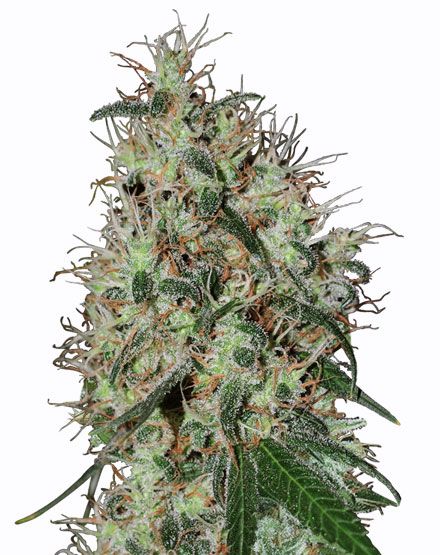
Grapefruit is one of those strains people tend to remember because the aroma is so distinct. Older versions could vary quite a bit from one plant to the next, so we wanted to preserve that sharp citrus character while offering growers a more consistent line. By combining Cinderella 99 with a carefully selected fruity thai sativa, the genetics strengthen the fresh grapefruit profile and improve overall uniformity. This strain earned its place in the MSNL catalogue because it offers something different from the sweeter candy-style varieties: a bright, unmistakable citrus flavour backed by uplifting sativa effects.
- Up to 18% THC with uplifting effects
- Distinct grapefruit and fresh citrus flavour
- Cinderella 99 crossed with a fruity sativa
- Can produce around 300–400 g/m²
- Responds well to early canopy training
- Suitable for temperate outdoor conditions
- Memorable terpene profile for flavour-focused growers
- Good choice for selecting a keeper mother
-

-

-

| THC % | Up to 18% |
|---|---|
| Flowering Time | 12-14 Weeks |
| Outdoor harvest | April |
| Yield | 300-400gr/m² |
| Indica/Sativa | Sativa Dominant |
| Height | Tall: 180cm-220cm |
| Difficulty | Medium |
| CBD Content | <1% |
| Climate | Temperate |
| Seed Type | Feminized |
| Genetics | C99 x Strong Fruity Sativa |
| Effects | Uplifting |
| Taste | Grapefruit, Citrus, Sweet |
| Terpene | Myrcene, Caryophyllene, Pinene |
STRAIN TRAITS
Growing Grapefruit
Grapefruit grows tall and shows its sativa influence clearly, usually reaching around 180–220 cm. Indoors, that height needs to be managed early rather than corrected once flowering is underway. Bending and spreading the branches during vegetative growth keeps the canopy lower and gives more bud sites direct access to the light.
The plant responds well to an open shape. Instead of allowing one main stem to dominate, guide the taller branches outward and keep the canopy reasonably even. This helps the flowers ripen at a similar pace and reduces the amount of lower growth left in shade.
Feeding should stay measured, especially during the second half of flowering. Too much nitrogen can keep the plant looking green, but it may also dull the cleaner citrus character you are growing it for. Keep the plant healthy without trying to force extra growth.
With a 12–14 week flowering period, Grapefruit asks for more patience than many modern hybrids. Outdoors, it performs best in temperate conditions and is usually ready around mid-October. Make sure your local season stays mild and dry enough for the plant to finish properly before committing it to an outdoor grow.
Yield Potential
Under suitable indoor conditions, Grapefruit can produce around 300–400 g/m². Its yield is helped by spreading the tall branches across the available space rather than letting them grow straight upward.
Early canopy work allows more flowers to sit within the strongest part of the light and mature evenly. Outdoors, give each plant enough room to spread and receive full sun. The longer flowering period means stable conditions through the finish matter more than pushing feed strength.
Potency & Effects
With THC levels reaching up to 18% and CBD below 1%, Grapefruit delivers a clear, uplifting experience without relying on extreme potency. Its sativa-dominant character is better suited to daytime, social plans, or creative activities than quiet evenings when you want something heavy.
The effects tend to feel bright and mentally active, which pairs naturally with the fresh citrus profile. It can still feel strong if your tolerance is low, so start carefully and give it time to develop before deciding whether you need more.
Aroma, Flavour & Terpenes
The main attraction is a sharp grapefruit aroma backed by sweet citrus. Myrcene adds a softer herbal base, caryophyllene brings light spice, and pinene gives the finish a fresher edge.
A slow dry followed by at least three to four weeks of curing can make a noticeable difference. The citrus becomes clearer and less grassy as the flowers settle. If you are comparing phenotypes, pay attention to aroma before harvest, as the plants with the strongest fresh grapefruit scent are often the most interesting to keep.
Who Is Grapefruit Best Suited To?
Grapefruit is best suited to growers who value flavour as much as yield or potency. It is a strong choice if you enjoy traditional sativa growth, have enough height to manage it, and do not mind waiting through a longer flowering period.
It will also appeal to anyone selecting a mother plant, as comparing the citrus intensity between phenotypes can help identify a standout keeper. Growers wanting short plants or a fast harvest may prefer a more compact variety.
Tips From the MSNL Grow Team
- Open the canopy early so the tall branches receive more even light.
- Keep nitrogen moderate in late flowering to protect the cleaner citrus aroma.
- Allow at least three to four weeks of curing for the flavour to fully develop.
- Compare each plant’s scent before harvest if you are choosing a keeper mother.
See Grapefruit Grown by the Community
See how Grapefruit performs in real grow rooms and outdoor gardens by exploring completed journals, photographs, and harvest reports on GrowDiaries.
